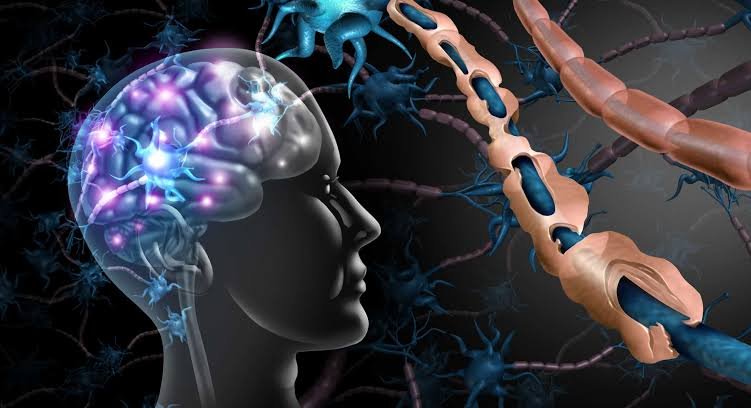

Understanding Regenerative Medicine and Its Growing Interest
Regenerative medicine has attracted attention from people who want to learn more about emerging approaches to healthcare. It explores how cells, biological materials, and the body’s natural repair processes may contribute to medical research and future treatments. For individuals researching these developments, understanding the science behind regenerative medicine is an important first step. Cendant Stem Cell Center provides a relevant starting point for people looking to learn about stem cell-related services, research, and available care options.
A stem cell center is a place people may explore when seeking information about stem cell science and regenerative medicine. However, not every service described as regenerative medicine has the same level of scientific support. Some stem cell treatments are established for specific medical conditions, while others remain experimental or have not demonstrated sufficient evidence of safety and effectiveness. Patients benefit from distinguishing established medical procedures from investigational approaches before making healthcare decisions.
What Are Stem Cells and Why Do They Matter?
Stem cells are distinctive because they can develop into certain specialized cell types and, depending on their type, may also renew themselves. Researchers study these properties to better understand human development, tissue maintenance, disease processes, and potential medical applications. Different stem cells have different capabilities, and their possible uses depend on their biological characteristics and the condition being investigated.
Scientific interest in stem cells has led to research involving blood disorders, tissue repair, and several other areas of medicine. Hematopoietic stem cell transplantation, for example, is an established treatment for selected blood cancers and other serious blood-related conditions. Other proposed applications continue to be evaluated through laboratory research and clinical trials. Understanding these distinctions helps patients approach information from a stem cell center with realistic expectations and informed questions.
Exploring Services and Information at Cendant Stem Cell Center
When researching Cendant Stem Cell Center, prospective patients should begin by identifying the services actually offered and the medical conditions those services are intended to address. Clear information about clinical assessments, practitioner qualifications, treatment protocols, and the evidence supporting a proposed intervention can help people determine whether a particular option deserves further consideration. Patients should also understand whether a service involves established medical care, an approved indication, or an investigational procedure.
Reliable healthcare information should explain both potential benefits and limitations. No responsible discussion of regenerative medicine should suggest that one approach works for every person or that results are guaranteed. Individuals considering a visit to a stem cell center should ask about eligibility requirements, available evidence, possible complications, and alternative treatments. These details provide a stronger foundation for decision-making than promotional claims or testimonials alone.
Questions to Ask Before Considering Stem Cell Treatment
Preparing questions before a consultation can help patients understand the medical and practical aspects of a proposed treatment. It is useful to ask which condition the procedure is intended to address, what published research supports its use, and whether the treatment has received the necessary regulatory authorization for that purpose. Patients should also ask who will perform the procedure and what qualifications and experience that professional has.
Another important consideration is how the treatment’s outcomes will be evaluated. Patients need a clear explanation of expected recovery, follow-up appointments, possible side effects, and the steps that will be taken if complications arise. A trustworthy stem cell center should be willing to discuss uncertainties and explain the difference between established evidence and preliminary findings.
Before proceeding, consider these two important groups of questions:
- Evidence and eligibility: Is the procedure supported by high-quality clinical evidence? Is it appropriate for the patient’s specific diagnosis, and is it authorized for the intended use?
- Safety and follow-up: What are the known risks, what alternatives are available, and how will the medical team monitor progress after treatment?
These questions encourage thoughtful discussions and help patients avoid decisions based on unrealistic promises.
Understanding Safety, Regulation, and Treatment Limitations
Safety is an essential part of evaluating any medical intervention, particularly procedures involving cells, biological products, injections, or tissue manipulation. Depending on the product and method used, potential risks may include infection, inflammation, immune reactions, abnormal tissue growth, or complications associated with the procedure itself. The exact risk profile varies, so patients need information specific to the proposed treatment rather than broad assurances that stem cells are naturally occurring.
Regulatory status also matters. In the United States, the Food and Drug Administration regulates many stem cell products and related biological therapies. Certain hematopoietic stem cell products derived from umbilical cord blood have approved uses, but this does not mean that every product marketed as a stem cell treatment is approved. Patients should verify the status of the exact product and intended use with authoritative regulatory sources. A stem cell center should provide transparent information about the procedures it offers and should not present experimental interventions as proven cures.
How Patients Can Make Informed Healthcare Decisions
Making a healthcare decision begins with understanding the diagnosis and discussing appropriate options with a qualified medical professional. Patients should review their medical history, current medications, previous treatments, and individual health needs with their healthcare team. These details help clinicians determine which approaches may be suitable and whether additional testing or specialist evaluation is necessary.
It is also helpful to compare a proposed intervention with established alternatives. A treatment that sounds innovative is not automatically more effective than conventional care. Patients should ask whether delaying standard treatment could create additional risks, especially when managing serious or progressive conditions. When appropriate, obtaining a second medical opinion can offer greater clarity. Researching Cendant Stem Cell Center alongside independent medical resources can help individuals identify useful questions and assess information more carefully.
The Importance of Clear Communication and Patient Education
Good patient education makes complex medical information easier to understand. Medical terminology, research findings, and regulatory requirements can be difficult to interpret without explanation. Patients deserve straightforward answers about how a procedure works, what the available evidence shows, and what remains uncertain. Clear communication also helps individuals understand the difference between a possible research application and a treatment currently supported for routine clinical use.
People exploring a stem cell center should feel comfortable asking follow-up questions and taking time to review important information. Written explanations of treatment costs, potential risks, follow-up requirements, and alternative options can support informed consent. Patients should also be cautious of claims involving guaranteed results, universal cures, or promises to reverse complex diseases without credible clinical evidence. A careful, evidence-focused approach allows people to evaluate healthcare information without unnecessary pressure.
Conclusion: Making Thoughtful Choices About Stem Cell Science
Regenerative medicine continues to develop through scientific investigation, clinical research, and carefully evaluated medical applications. Stem cell science has already contributed to certain established treatments, while many other proposed uses still require stronger evidence. Understanding this difference is essential for anyone exploring new healthcare possibilities and deciding whether a particular intervention is appropriate for their circumstances.
Cendant Stem Cell Center can be included in a patient’s research into stem cell-related information and services, but individuals should verify the center’s specific offerings, practitioner credentials, and the evidence supporting any proposed procedure. Before choosing treatment, patients should consult qualified healthcare professionals, review relevant regulatory information, and consider established alternatives. An informed decision is one based on credible evidence, transparent communication, realistic expectations, and a clear understanding of personal healthcare needs.