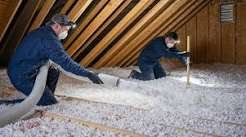

A comfortable home starts with the right insulation. During hot summers and cold winters, indoor temperatures can fluctuate when walls, attics, and other areas lack proper thermal protection. Homeowners may notice uneven temperatures, uncomfortable rooms, or heating and cooling systems that run longer than expected. Choosing suitable insulation can help address these concerns while creating a more consistent indoor environment. Insulation Nation understands the importance of a well-insulated home and the role insulation plays in everyday comfort.
Residential insulation services help homeowners improve the thermal performance of their properties by reducing unwanted heat transfer. When insulation is installed in the appropriate areas, it can help maintain indoor temperatures, limit energy loss, and support a more comfortable living space. Understanding the available options allows homeowners to make informed decisions about their property’s needs. With a practical approach to insulation, Insulation Nation can help homeowners explore solutions that align with their home’s structure, comfort goals, and long-term efficiency.
Why Proper Home Insulation Matters
Insulation creates a protective barrier that slows the movement of heat between indoor and outdoor environments. During winter, it helps reduce heat escaping from heated rooms, while in summer, it can limit the amount of outdoor heat entering the home. This thermal resistance makes insulation an important part of an efficient building envelope. Without adequate coverage, even a well-maintained property may experience temperature fluctuations that affect daily comfort.
Another advantage of proper insulation is the potential to reduce heating and cooling demands. When a home retains conditioned air more effectively, the HVAC system may not need to work as hard to maintain the desired temperature. Actual savings depend on factors such as climate, insulation levels, air leakage, and energy prices. Insulation Nation can help homeowners understand how suitable insulation improvements may contribute to a more comfortable and energy-conscious household.
Residential Insulation Services for Different Areas of the Home
Every home has its own insulation requirements. Attics, exterior walls, crawl spaces, basements, and floors can all influence indoor temperature control. The right improvement depends on the property’s design, existing materials, moisture conditions, and local climate. A careful assessment helps identify areas where insulation is missing, damaged, compressed, or no longer performing as intended. Addressing these concerns can improve thermal consistency throughout the property.
Professional residential insulation services can help homeowners determine which parts of the building envelope need attention. For example, attic insulation may reduce heat transfer through the roof, while wall insulation can improve comfort in rooms that become unusually hot or cold. Crawl space and basement projects may require additional consideration of moisture management and ventilation. By evaluating these areas individually, Insulation Nation can help homeowners explore practical improvements instead of relying on a one-size-fits-all solution.
Choosing the Right Insulation Material
Different insulation materials offer different benefits, installation requirements, and performance characteristics. Fiberglass is commonly used in batts, rolls, and loose-fill applications. Cellulose is another option, often installed as loose-fill material in suitable spaces. Spray foam can provide both insulation and air-sealing benefits when properly selected and installed. The best choice depends on the location, available space, budget, building conditions, and desired performance.
Homeowners should also consider the material’s R-value, which measures resistance to heat flow. A higher R-value generally indicates greater insulating performance, although the appropriate level depends on the climate zone and the part of the home being insulated. Proper installation matters just as much as material selection because gaps, compression, and incomplete coverage can reduce effectiveness. Insulation Nation can help homeowners understand these considerations when exploring residential insulation services for their properties.
Improving Indoor Comfort and Reducing Energy Waste
Temperature differences between rooms can make a home less enjoyable, especially when certain areas remain chilly in winter or become excessively warm in summer. Insufficient insulation is one possible cause, although air leaks, duct problems, windows, and inadequate HVAC performance can also contribute. Identifying the source of the problem is important before choosing an improvement. A complete evaluation can help homeowners focus on changes that address the underlying issue rather than simply treating its symptoms.
Better insulation can also support more predictable indoor temperatures throughout the day. When combined with effective air sealing and properly maintained heating and cooling equipment, insulation helps create a more balanced indoor environment. These improvements may reduce unnecessary energy use and make living spaces more comfortable across changing seasons. For homeowners considering an upgrade, Insulation Nation offers a starting point for understanding how residential insulation services may support their comfort and efficiency goals.
The Importance of Professional Installation
Even high-quality insulation may underperform if it is installed incorrectly. Uneven coverage, compressed materials, overlooked gaps, and poorly treated openings can create weak points in the building envelope. Before installation begins, the work area should be evaluated for existing damage, moisture intrusion, and other conditions that may need attention. Resolving these issues helps protect the performance and durability of the finished project.
Professional installation also requires attention to safety and building requirements. Electrical components, recessed lighting, ventilation pathways, and combustion appliances may require specific clearances or installation practices. Certain insulation materials need protective equipment and careful handling. Working with an experienced provider helps homeowners understand the process, select appropriate materials, and identify conditions that could affect the final result. Insulation Nation can help customers consider these details when planning an insulation improvement project.
Signs Your Home May Need Better Insulation
Some insulation problems develop gradually, making them difficult to notice at first. Homeowners may experience rooms that never seem to reach a comfortable temperature, unusually cold floors, or noticeable temperature differences between levels of the house. Rising utility bills can also indicate that the home is losing conditioned air or requiring more energy to maintain indoor comfort. However, these symptoms can have several causes, so insulation should be evaluated alongside other possible issues.
A visual inspection may reveal thin attic coverage, exposed wall cavities during renovation, damaged insulation, or areas where materials have settled over time. Water stains, musty odors, and signs of pests may indicate additional concerns that should be addressed before new insulation is installed. Taking action when these warning signs appear can help prevent minor deficiencies from becoming more disruptive problems. A professional assessment helps determine whether insulation upgrades are appropriate and which areas deserve priority.
Making an Informed Insulation Investment
Planning an insulation project starts with understanding the home’s current condition and the improvements that will provide the greatest practical benefit. Homeowners should consider the size of the area, accessibility, existing insulation, material requirements, and any necessary preparation work. Comparing estimates is useful, but the lowest initial price does not always represent the best overall value. Installation quality, material suitability, project scope, and expected performance should all be part of the decision.
It is also helpful to discuss energy-efficiency goals before work begins. Some homeowners may want to improve attic performance, while others may be focused on cold bedrooms, drafty living areas, or a renovation project. Residential insulation services can be tailored to these different priorities when the property is assessed carefully. Insulation Nation can help homeowners explore relevant options and understand the factors that influence project planning, installation, and long-term results.
Conclusion
Effective insulation is an important part of creating a comfortable, energy-conscious home. By helping slow unwanted heat transfer, suitable materials can support steadier indoor temperatures and potentially reduce heating and cooling demands. The benefits depend on the home’s existing condition, local climate, installation quality, and how well insulation works alongside air sealing and other building systems. Understanding these factors helps homeowners make decisions based on practical needs rather than assumptions.
Insulation Nation helps homeowners explore the value of appropriate insulation improvements and the options available for different areas of a property. From evaluating attic coverage to considering wall insulation and other applications, a thoughtful approach can make the process easier to understand. Homeowners interested in improving indoor comfort can explore residential insulation services to identify suitable next steps. With proper planning, quality materials, and careful installation, insulation can contribute to a more comfortable home throughout the year.