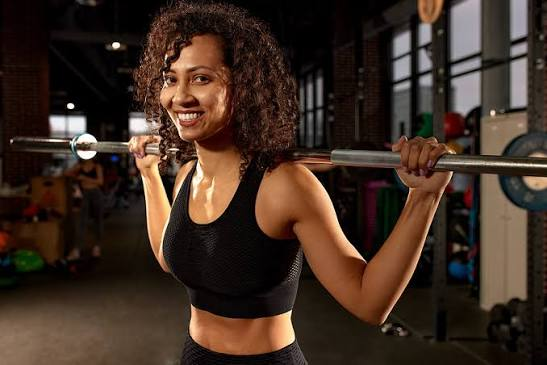

Sports injuries can interrupt training, exercise, competition, and everyday activities. A sudden twist, awkward landing, muscle strain, or repetitive movement may cause pain, stiffness, swelling, or reduced strength. Physical Therapy for Sports Injuries provides a structured rehabilitation approach for athletes and active individuals who want to restore physical function and work toward returning to the activities they enjoy.
Sams Physical Therapy focuses on individualized rehabilitation based on each person’s condition, movement limitations, and recovery goals. Whether an injury affects the knee, shoulder, ankle, hip, or another area, an appropriate treatment plan can help address physical limitations and gradually prepare the individual for daily activities, exercise, or sport.
Understanding Sports Injuries
Sports injuries can happen to people at every activity level, from competitive athletes to individuals who enjoy recreational exercise. Some injuries occur suddenly during a fall, collision, or rapid change of direction, while others develop gradually because of repetitive movement or increasing physical demands.
An injury may affect more than the original painful area. Reduced activity can contribute to weakness, stiffness, lower endurance, or changes in movement patterns. Rehabilitation can help address these limitations and provide a gradual path toward rebuilding physical abilities.
How Physical Therapy Supports Recovery
Physical therapy can help individuals work on movement limitations that develop after an injury. An assessment may examine strength, flexibility, balance, coordination, mobility, and the activities that currently cause difficulty.
Based on these findings, a therapist can develop an appropriate treatment plan. Rehabilitation may begin with controlled movements and basic exercises before progressing toward more demanding activities. The pace of recovery depends on the injury, individual health, and response to treatment.
Common Sports Injuries That May Need Rehabilitation
Different sports place different demands on the body. Running can create repetitive stress on the lower extremities, while sports involving throwing, jumping, or rapid changes of direction may place greater demands on particular muscles and joints.
Sports-related problems that may require rehabilitation include:
- Muscle strains and ligament sprains.
- Knee, ankle, shoulder, or hip injuries.
- Tendon-related and overuse conditions.
- Back and neck discomfort associated with activity.
- Reduced strength or mobility following injury.
- Recovery after certain orthopedic procedures.
The appropriate approach depends on the type and severity of the injury. Some conditions require medical assessment before exercise or rehabilitation begins.
Restoring Mobility and Flexibility
Pain and swelling can limit movement after an injury. A person may find it difficult to bend a knee, lift an arm, rotate the shoulder, or move an ankle through its usual range.
When appropriate, physical therapy may include controlled mobility exercises to address stiffness and restricted movement. These activities can be adjusted according to symptoms and recovery progress, helping individuals work toward more comfortable movement without forcing an injured area beyond its current limits.
Rebuilding Strength and Endurance
Muscle strength can decrease when an injury prevents normal training or everyday movement. Reduced strength may make routine tasks more difficult and affect an athlete’s ability to perform sport-specific activities.
A rehabilitation program can introduce strengthening exercises suited to the person’s condition. Resistance and exercise difficulty may increase gradually as appropriate, helping rebuild muscle performance and physical endurance while respecting recovery requirements.
Improving Balance and Coordination
Balance and coordination are important for running, jumping, landing, changing direction, and responding to unexpected movements during sport. An injury may affect these abilities or cause an individual to feel less confident while moving.
Physical therapy may include balance and coordination activities when they are relevant to the injury. Exercises can progress from simple controlled movements to more challenging functional tasks as the person’s stability and movement control improve.
Returning to Sports Safely
Reduced pain does not always mean the body is ready for unrestricted sports participation. An athlete may still need to rebuild strength, endurance, balance, and movement control before returning to intense training or competition.
A gradual return-to-activity plan can help prepare the body for increasing physical demands. Depending on the injury, progression may involve walking, jogging, controlled drills, faster movements, and sport-specific activities. Return-to-sport decisions should reflect the person’s recovery and any medical guidance.
Sport-Specific Rehabilitation
Every sport has its own movement requirements. A runner may need to tolerate increasing distances, while a basketball player may need to practice jumping and changing direction. A tennis player may need to rebuild the strength and coordination required for repeated reaching and swinging.
Sport-specific rehabilitation can introduce relevant movements when appropriate. This helps connect general strengthening and mobility exercises with the physical demands of the activity the individual wants to resume.
Exercises Used During Sports Rehabilitation
The exercises selected for rehabilitation depend on the injury, physical assessment, current abilities, and activity goals. A program should be adapted to the individual rather than applying the same routine to every sports injury.
Depending on the person’s needs, therapy may include:
- Strengthening and endurance exercises.
- Flexibility and mobility activities.
- Balance and coordination training.
- Controlled landing or movement drills.
- Gradual sport-specific exercises.
Exercises should be performed with appropriate technique and progressed according to professional guidance. Activities that cause significant or worsening symptoms may need to be stopped and reviewed.
Correcting Movement Limitations
After an injury, people sometimes change the way they move to avoid discomfort. They may shift their weight, limit a joint’s movement, or rely more heavily on another part of the body.
A physical therapist can assess these patterns and identify limitations that may need attention. Rehabilitation may focus on improving movement control, strength, flexibility, and coordination so the person can work toward performing everyday and sports activities more comfortably.
Building Confidence After an Injury
Injuries can affect confidence as well as physical ability. An athlete who has experienced pain during running, jumping, or lifting may feel uncertain about performing that movement again.
Gradual practice can help individuals rebuild confidence while monitoring how the body responds. A structured rehabilitation plan provides opportunities to work on appropriate movements before progressing to more demanding activities.
Reducing the Risk of Future Injuries
No rehabilitation program can guarantee that another injury will not occur. However, appropriate strength, mobility, coordination, and movement training can help prepare the body for the demands of physical activity.
Education may also cover exercise technique, training progression, recovery habits, and recognizing symptoms that deserve attention. Gradually increasing activity rather than making sudden changes in training intensity can be an important consideration for athletes and recreational exercisers.
Managing Training During Recovery
Recovering from an injury does not always require avoiding every form of physical activity. Depending on the condition, some activities may be suitable while others need to be modified or temporarily avoided.
A physical therapist or healthcare professional can help determine which movements are appropriate for the person’s injury. Adjustments to exercise intensity, duration, resistance, and frequency may help align activity with recovery needs while avoiding unnecessary strain.
Creating an Individualized Treatment Plan
People with similar sports injuries may recover differently. Fitness levels, age, activity demands, previous injuries, general health, and personal goals can all influence rehabilitation.
Sams Physical Therapy takes an individualized approach to physical therapy. For people considering Physical Therapy for Sports Injuries, discussing the injury and activity goals with the clinic can help determine whether its services are appropriate and what the rehabilitation process may involve.
When Professional Evaluation Is Important
Some sports injuries can be managed with appropriate rest and guided rehabilitation, while others need prompt medical attention. Severe pain, significant swelling, visible deformity, inability to bear weight, or symptoms that worsen should not be ignored.
A suspected fracture, major ligament injury, or other serious condition may require medical assessment before beginning rehabilitation. Getting an appropriate diagnosis can help ensure that the next steps are suitable for the injury and stage of recovery.
Why Choose Sams Physical Therapy
Choosing a physical therapy provider involves finding an approach that considers the individual’s symptoms, physical abilities, lifestyle, and goals. Clear guidance and a treatment plan suited to the injury can help make rehabilitation more purposeful.
Sams Physical Therapy provides outpatient rehabilitation services focused on movement and functional recovery. Individuals interested in sports injury rehabilitation can contact the clinic to discuss available services, evaluation options, and whether a personalized physical therapy plan may suit their needs.
Working Toward an Active Lifestyle
Recovery is not always a straight line. Some physical abilities may improve quickly, while others require more practice and gradual progression. Regular communication with the rehabilitation professional can help ensure that exercises remain appropriate as recovery develops.
Small improvements can be meaningful milestones. Moving more comfortably, rebuilding strength, completing a training session, or returning to a favorite recreational activity can all represent progress toward an active lifestyle.
Conclusion
Sports injuries can affect mobility, strength, coordination, and confidence. Physical Therapy for Sports Injuries offers a structured way to address appropriate movement limitations, rebuild physical abilities, and prepare for a gradual return to everyday activities and sport.
Sams Physical Therapy focuses on individualized rehabilitation based on each person’s condition and goals. Through appropriate evaluation, therapeutic exercise, mobility training, movement education, and progressive activity, individuals can work toward better physical function and a more confident return to the activities they enjoy.