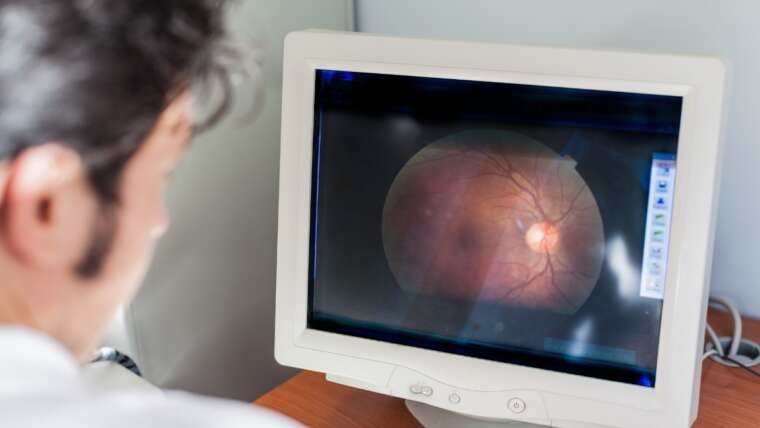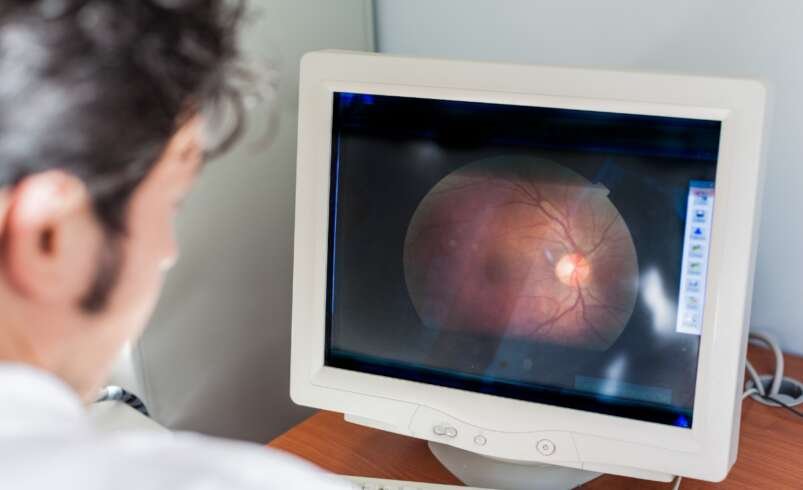

Healthy vision plays an essential role in everyday life, from reading and driving to working and recognizing familiar faces. However, certain eye conditions can affect the retina, macula, and vitreous, potentially leading to serious vision problems if they are not identified and treated promptly. Choosing the right eye care professional is particularly important when symptoms involve blurred central vision, flashes of light, new floaters, distorted images, or unexplained changes in eyesight. For individuals and families seeking specialized eye care, understanding how to evaluate Retina Specialists Utah can help make the decision more informed and less overwhelming.
Retina specialists focus on diagnosing and managing conditions that affect the light-sensitive tissue at the back of the eye. Their specialized training prepares them to evaluate complex retinal diseases, recommend appropriate treatments, and perform delicate procedures when necessary. Nevertheless, not every patient has the same needs, and selecting a specialist involves more than simply finding an eye doctor nearby. Patients should consider professional qualifications, clinical experience, available diagnostic technology, communication practices, treatment options, and ongoing care. This guide explains what to look for when choosing a Utah retina specialist and how to make a confident decision about specialized eye care.
Understanding the Role of a Retina Specialist
A retina specialist is an ophthalmologist who has completed additional specialized training in diseases and surgery involving the retina and vitreous. The retina converts light entering the eye into signals that the brain interprets as images. The macula, located near the center of the retina, supports detailed central vision, while the vitreous is the gel-like substance that fills the inside of the eye.
Conditions affecting these structures can range from age-related changes to complex diseases that threaten sight. A retina specialist evaluates these problems, determines their severity, and develops a treatment plan based on the patient’s condition and visual needs. Depending on the diagnosis, treatment may involve monitoring, medication delivered through injections into the eye, laser procedures, or surgery.
Understanding this specialized role helps patients determine when they may need care beyond a routine eye examination. People with diagnosed retinal disorders, diabetes-related eye complications, suspected retinal detachment, or persistent changes in central vision may benefit from an evaluation by a qualified specialist.
Check Professional Qualifications and Specialized Training
One of the first steps in choosing a retina specialist is reviewing the physician’s education, ophthalmology training, and additional fellowship training in vitreoretinal diseases and surgery. This advanced training is important because retinal conditions often require detailed diagnostic interpretation and treatment decisions involving delicate eye structures.
Patients should look for a physician who is appropriately licensed to practice medicine in the United States and has qualifications relevant to the care they need. Board certification in ophthalmology can provide additional information about a physician’s professional credentials. Those considering retinal surgery should also ask about the specialist’s specific training and experience with the procedure being recommended.
An ophthalmologist retina specialist in Utah patients choose should be able to explain their qualifications in clear, understandable language. It is reasonable to ask how the physician evaluates particular retinal conditions, which treatments they commonly provide, and whether they have experience managing similar cases. These questions help patients understand the specialist’s background without relying solely on advertising or general claims about expertise.
Look for Experience With Your Specific Eye Condition
Retinal diseases differ significantly in their causes, progression, symptoms, and treatment requirements. A specialist who frequently manages one condition may have different clinical experience from a physician whose practice includes a broader range of retinal disorders. For this reason, patients should consider whether the physician regularly evaluates and treats their particular diagnosis.
Age-related macular degeneration can affect central vision and make activities such as reading or recognizing faces more difficult. Diabetic retinopathy develops when diabetes damages the blood vessels of the retina and may progress without obvious early symptoms. Retinal tears and detachments require timely assessment because they can lead to permanent vision loss if treatment is delayed. Other conditions, including retinal vein occlusion, macular holes, and epiretinal membranes, may also require specialized evaluation.
When comparing retina specialists in Utah, ask whether the physician has experience with the diagnosed condition and the treatment options being considered. Patients should also understand whether their condition requires regular monitoring, repeated injections, a surgical procedure, or coordination with other members of their medical care team.
Experience should be considered alongside qualifications, communication, and the ability to provide an appropriate, individualized treatment plan. No single factor can guarantee a particular outcome, but careful evaluation can help patients make a more informed choice.
Evaluate Diagnostic Technology and Examination Methods
Accurate diagnosis is fundamental to effective retinal care. Because many retinal conditions affect structures that cannot be adequately assessed through a simple external eye examination, specialists use detailed examinations and imaging techniques to evaluate retinal health.
Depending on the patient’s symptoms and medical history, an appointment may include a dilated eye examination, optical coherence tomography, retinal photography, or fluorescein angiography. Optical coherence tomography creates detailed cross-sectional images of retinal layers, helping physicians identify fluid, swelling, thinning, and other structural changes. Retinal photography can document the appearance of the retina over time, while fluorescein angiography may help evaluate blood flow and leakage from retinal blood vessels when clinically indicated.
Patients choosing a provider for retinal care in Utah should ask how diagnostic testing supports the treatment plan and how results will be explained. The availability of appropriate imaging can help physicians detect changes, assess disease progression, and evaluate responses to treatment.
Advanced technology is valuable when used appropriately, but equipment alone does not determine the quality of care. A qualified specialist must interpret the findings alongside the patient’s symptoms, medical history, examination results, and individual treatment goals.
Understand the Available Treatment Options
A reliable retina specialist should explain the treatment options appropriate for the patient’s diagnosis, including their potential benefits, limitations, risks, and follow-up requirements. Treatment varies according to the condition, its severity, and whether vision is already affected.
For certain forms of age-related macular degeneration and diabetic retinal disease, intravitreal injections may help control abnormal blood vessel growth, leakage, or swelling. These treatments often require repeat visits and ongoing monitoring. Laser treatment may be recommended for selected retinal problems, while surgery may be necessary for conditions such as retinal detachment or certain macular disorders.
When discussing vitreoretinal surgery in Utah, patients should ask why surgery is being recommended, what the procedure is intended to accomplish, and what recovery may involve. It is also helpful to ask about possible complications, restrictions after treatment, the expected follow-up schedule, and what symptoms should prompt an urgent call to the medical office.
Not every retinal condition requires surgery, and not every treatment produces the same results for every patient. A thoughtful specialist explains the reasoning behind the recommendation and helps the patient understand the alternatives. Patients should feel comfortable asking questions before agreeing to a planned procedure.
Consider Communication and Patient-Centered Care
Technical expertise is important, but effective communication is also central to a positive medical experience. Retinal conditions can cause uncertainty, especially when a diagnosis involves possible vision loss or repeated treatment appointments. Patients benefit from a physician who listens carefully, answers questions, and explains complex medical information in accessible language.
During an appointment, consider whether the specialist discusses the diagnosis clearly and explains what the examination results mean. The physician should describe the proposed treatment, outline reasonable alternatives when available, and provide an opportunity to discuss concerns. Patients should understand what is known about their condition, what remains uncertain, and how progress will be evaluated.
Good communication also includes clear instructions about medications, follow-up appointments, treatment preparation, and symptoms that require immediate attention. If a patient has difficulty understanding medical terminology, requesting a simpler explanation is entirely appropriate.
When selecting a Utah retina specialist, consider whether the office makes it practical to ask follow-up questions and obtain clarification about the care plan. Feeling heard and informed can help patients participate more actively in decisions about their vision.
Review Appointment Availability and Follow-Up Care
Retinal treatment often involves more than one appointment. Some conditions require periodic imaging and observation, while others involve scheduled injections or postoperative examinations. Choosing a practice that can accommodate the recommended care schedule is therefore an important practical consideration.
Before making a decision, ask about appointment availability, typical waiting times, office hours, and procedures for contacting the practice when symptoms change. Patients who need frequent treatment may want to understand how appointments are coordinated and whether the office can help them maintain a consistent schedule.
Geographic convenience can also matter, particularly for older adults, people with mobility challenges, and patients who require repeated visits. Consider travel distance, parking, transportation arrangements, and whether someone may need to accompany you after a dilated examination or procedure.
For people comparing eye surgery specialists in Utah, it is important to distinguish general convenience from the specific services required. A practice should be able to explain whether it provides the recommended retinal treatment and how it coordinates care if additional services are needed.
Continuity is particularly important for chronic retinal diseases. Maintaining regular follow-up allows the specialist to identify changes, evaluate treatment response, and adjust the care plan when necessary.
Check Insurance Coverage and Understand Treatment Costs
The financial side of specialized eye care deserves attention before treatment begins whenever circumstances allow. Costs may vary depending on the diagnosis, examination requirements, imaging procedures, medications, injections, surgery, and number of follow-up visits.
Patients with health insurance should confirm whether the physician and facility participate in their plan. It is also important to understand applicable deductibles, copayments, coinsurance, referral requirements, and prior authorization rules. Coverage for medications and procedures may differ, even when the same practice provides them.
If treatment involves repeated injections or surgery, ask the office for an explanation of anticipated expenses and any additional charges that may arise. Patients who are uninsured or concerned about affordability can ask whether payment arrangements or other financial assistance options are available.
Cost should not be the only deciding factor, particularly when a retinal condition may threaten vision. Instead, compare financial considerations alongside qualifications, treatment capabilities, accessibility, and the quality of communication. Clear information about expected expenses can help patients plan for care and avoid preventable surprises.
Read Patient Feedback and Evaluate the Practice Carefully
Patient feedback can offer useful insight into scheduling, staff communication, office organization, and the overall appointment experience. When reviewing comments, look for recurring patterns rather than placing too much weight on a single positive or negative review.
Consider whether patients describe clear explanations, respectful interactions, organized appointments, and helpful follow-up communication. Keep in mind that online feedback reflects individual experiences and may not provide a complete picture of a physician’s clinical abilities or suitability for a particular condition.
It is also useful to evaluate the practice directly. Notice whether staff members explain appointment requirements, provide understandable instructions, and respond appropriately to questions. Ask how medical records and imaging results are shared when coordination with another physician is necessary.
When searching for retina specialists in Utah, use patient feedback as one part of the decision-making process rather than as a substitute for reviewing qualifications and discussing your medical needs with the physician.
Prepare Questions Before Your First Appointment
Preparing questions in advance can make a retinal consultation more productive. Patients should bring information about their symptoms, including when they began, whether they have changed, and whether one or both eyes are affected. A list of current medications, relevant medical conditions, previous eye procedures, and available examination records can also help the physician assess the situation.
Consider asking what diagnosis is suspected or confirmed, which tests are needed, and whether the condition is likely to change over time. Ask which treatments are appropriate, what benefits and risks they involve, and whether monitoring or a second opinion is reasonable in your circumstances.
Patients should also clarify how often they need follow-up visits and which changes in vision require urgent evaluation. Before leaving, make sure the next steps are clear, including any testing, treatment appointments, or instructions for managing symptoms at home.
An organized consultation helps patients understand their options and provides an opportunity to determine whether the specialist’s approach meets their needs.
Recognize Symptoms That Need Urgent Attention
Choosing a retina specialist is important, but recognizing an eye emergency can be even more urgent. A sudden increase in floaters, flashes of light, a dark curtain or shadow across the field of vision, or a sudden decrease in eyesight may indicate a retinal tear or detachment. These symptoms require immediate eye evaluation rather than waiting for a routine appointment.
Sudden, significant changes in vision should be assessed urgently even if they are painless. Prompt treatment can be critical for certain retinal conditions, and delaying evaluation may increase the risk of lasting vision damage.
People with diabetes or diagnosed retinal disease should also follow their recommended examination schedule, even when their eyesight seems normal. Some retinal problems develop without noticeable symptoms in their early stages.
If emergency eye care is needed, contact an eye care professional immediately or seek emergency evaluation when appropriate. Do not postpone urgent assessment while comparing practices or waiting for a preferred appointment.
Conclusion
Choosing the right retina specialist involves evaluating specialized training, experience with your condition, diagnostic capabilities, treatment options, communication, follow-up arrangements, and financial considerations. Patients seeking retinal care in Utah should prioritize a physician who understands their medical needs, explains recommendations clearly, and provides a practical plan for protecting and monitoring their vision. Asking informed questions and recognizing urgent symptoms can help patients take a more active role in their eye health.
For individuals exploring specialized retinal care in Utah, Retina and Vitreous Surgeons of Utah (RVSU) offers information about retinal conditions, specialist services, and available treatment approaches. Visit our website to learn more about the practice and explore options for arranging an appointment. Discussing your symptoms and medical history with a qualified eye care professional is an important step toward understanding your condition and making informed decisions about your vision.