
Trees add beauty, shade, privacy, and value to residential and commercial properties. However, maintaining healthy trees requires proper care, regular inspections, and professional attention when problems arise. From removing dangerous branches to improving tree health, professional tree care helps property owners protect their landscapes and keep outdoor spaces looking their best.
Understanding the available Tree Services can help homeowners and business owners make informed decisions about maintaining their trees. Whether you have overgrown branches, storm-damaged trees, or trees that need routine maintenance, choosing an experienced tree care professional can make a significant difference in the long-term health and safety of your property.
Why Professional Tree Care Matters
Trees require more than occasional watering to remain healthy. Weather conditions, soil quality, pests, diseases, and improper pruning can all affect their growth and stability. Without appropriate maintenance, branches may become weak, trees may develop structural problems, and deadwood can create potential hazards.
Professional tree care focuses on maintaining tree health while reducing avoidable risks. Trained professionals can assess tree structure, identify visible signs of disease, and recommend appropriate maintenance based on the tree’s condition and location.
Regular care also helps preserve the appearance of your landscape. Properly maintained trees can complement gardens, improve curb appeal, and create a more welcoming outdoor environment.
Common Types of Tree Services
Different trees and properties require different levels of care. Understanding the most common services makes it easier to determine which solutions may be suitable for your landscape.
1. Tree Trimming and Pruning
Tree trimming and pruning help manage growth, remove unwanted branches, and maintain an attractive shape. Pruning can also improve airflow through the canopy and reduce contact between branches and nearby structures.
Professionals typically remove dead, damaged, diseased, or poorly positioned branches when appropriate. They also consider the tree species, age, season, and overall condition before deciding how much growth to remove.
Excessive or incorrect pruning can weaken a tree, so it is important to use proper techniques. Routine maintenance can help trees develop stronger structures and maintain a balanced appearance.
2. Tree Removal
Although trees provide many benefits, removal may sometimes be necessary. A tree that is dead, severely damaged, structurally unstable, or growing in an unsuitable location may require professional evaluation.
Tree removal can also become necessary when a tree presents an unacceptable risk to buildings, driveways, utility lines, or frequently used outdoor areas.
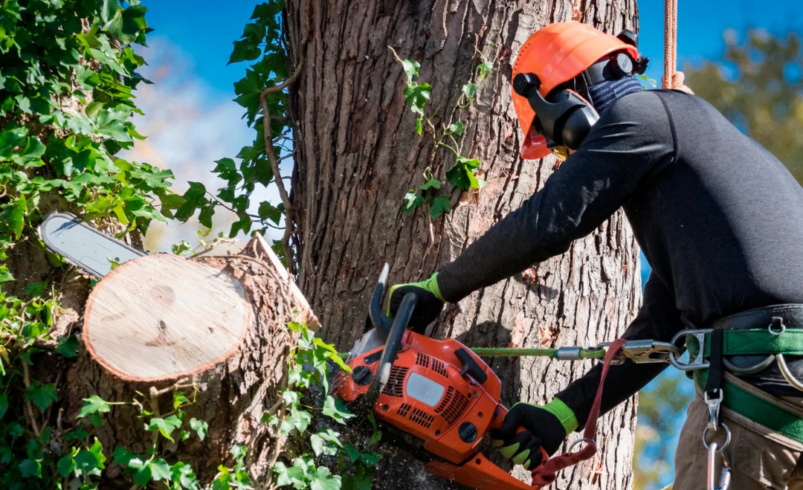
Removing a tree can involve significant hazards, particularly when it is large, close to a structure, or located near power lines. Qualified professionals use appropriate equipment, protective measures, and controlled cutting techniques to manage the process safely.
Before removal, property owners should check applicable local regulations and determine whether permits or other approvals are required.
3. Emergency Tree Services
Severe weather can leave trees with broken limbs, split trunks, or partially uprooted root systems. These conditions may create immediate hazards for residents, visitors, and nearby properties.
Emergency tree care addresses urgent situations involving storm damage or unstable trees. Professionals evaluate the affected area, identify potential dangers, and determine the safest way to handle damaged limbs or fallen trees.
If a tree or branch has contacted a power line, stay well away and contact the utility company or emergency services as appropriate. Never attempt to remove branches from electrical equipment yourself.
Prompt professional assessment can help prevent further damage and determine which trees may recover and which may need removal.
4. Stump Grinding and Removal
After a tree has been removed, the remaining stump can interfere with landscaping, lawn maintenance, and future planting plans. Stumps may also create tripping hazards and occupy valuable outdoor space.
Stump grinding uses specialized machinery to reduce the stump below ground level. Depending on the equipment and project requirements, the resulting wood chips can be removed or used as mulch where appropriate.
Complete stump and root removal may be recommended for certain landscaping or construction projects. The right approach depends on the stump’s size, root system, location, and intended use of the area.
5. Tree Health Assessment
Trees can develop problems that are difficult to recognize without a careful inspection. Discolored leaves, unusual growth, dead branches, cracks, fungal growth, or visible trunk damage may indicate stress or other concerns.
A professional assessment can help identify potential causes and recommend suitable next steps. Depending on the findings, treatment may involve selective pruning, soil improvements, pest management, or further evaluation by a qualified arborist.
Early attention may help preserve valuable trees and reduce the likelihood of more extensive problems later.
6. Land and Lot Clearing
Overgrown properties sometimes require vegetation removal before construction, landscaping, or other improvements can begin. Land clearing may include removing selected trees, brush, shrubs, and unwanted vegetation.
A professional clearing plan considers property boundaries, drainage, soil stability, nearby structures, and the vegetation that should remain.
Not every tree needs to be removed to create a usable outdoor space. Selective clearing can preserve desirable trees while making room for driveways, buildings, gardens, or other planned features.
7. Storm Damage Cleanup
Storms can scatter branches, damage tree canopies, and leave fallen wood across lawns and driveways. Cleanup helps restore access to outdoor areas and allows property owners to assess the condition of affected trees.
Depending on the situation, the work may involve collecting branches, cutting fallen limbs into manageable sections, removing damaged trees, and hauling away debris.
A professional inspection after severe weather is particularly useful when large branches have broken or the tree’s trunk and root area show signs of structural damage.
Benefits of Hiring Experienced Tree Care Professionals
Hiring qualified professionals offers several advantages for residential and commercial property owners.
Improved safety: Tree work often involves heavy branches, elevated work areas, cutting equipment, and unpredictable tree movement. Proper training and equipment help reduce these hazards.
Healthier trees: Appropriate pruning and maintenance can support healthy growth and help address developing problems before they become more serious.
Better curb appeal: Well-maintained trees contribute to a neat, attractive landscape and can improve the overall appearance of a property.
Protection for surrounding structures: Corrective pruning and professional assessment can help address branches that threaten roofs, fences, driveways, or other structures.
Efficient project completion: Experienced crews understand how to plan tree work, select suitable equipment, and manage debris according to the project’s needs.
Long-term landscape planning: Professional recommendations can help property owners decide which trees to maintain, prune, monitor, or remove as their landscape changes.
Signs Your Trees May Need Professional Attention
Regularly observing your trees can help you identify potential concerns. Consider arranging a professional assessment if you notice any of the following:
- Dead or broken branches in the canopy.
- Large cracks or splits in the trunk.
- A sudden change in leaf color or unusual leaf loss.
- Mushrooms or fungal growth near the trunk or roots.
- A tree leaning more than usual or showing signs of root movement.
- Branches growing against buildings or obstructing access.
- Significant storm damage or hanging limbs.
- Dense growth that requires careful pruning.
These signs do not always mean a tree must be removed. A qualified professional can evaluate the condition and explain which maintenance options are appropriate.
If a tree appears unstable or a large branch is hanging over a frequently used area, keep people away from the danger zone until it has been assessed.
How to Choose the Right Tree Care Company
Selecting a reliable provider is important for both safety and service quality. Before hiring a company, consider the following factors.
Experience and Qualifications
Ask about the company’s experience with the specific work your property requires. For complex tree health concerns, consider consulting an appropriately qualified arborist.
Insurance and Safety Practices
Confirm that the provider maintains appropriate insurance coverage and follows established safety practices. Tree removal, climbing, and equipment operation can involve substantial risks.
Written Estimates
Request a clear written estimate describing the work to be completed, debris removal, equipment requirements, and any additional charges that may apply.
Equipment and Work Methods
Professional tree care requires equipment suitable for the tree’s size, location, and condition. Ask how the company plans to protect nearby buildings, landscaping, and other property features.
Reviews and References
Read recent customer feedback and, where possible, request references from previous customers. Look for consistent communication, reliable scheduling, professional conduct, and satisfactory project completion.
Local Requirements
Check whether permits, protected-tree rules, or utility clearances apply before work begins. A reputable provider should be willing to discuss these requirements and help clarify the necessary steps.
How Often Should Trees Be Maintained?
There is no single maintenance schedule that works for every tree. The appropriate frequency depends on the species, age, health, growing conditions, weather exposure, and proximity to structures.
Young trees may benefit from structural pruning that helps establish a strong framework. Mature trees often need periodic inspections and selective maintenance rather than frequent heavy pruning. Trees with known defects, storm damage, or a history of branch failure may require closer monitoring.
Avoid removing excessive amounts of living foliage simply to reduce a tree’s size. Proper pruning should account for the tree’s biology and long-term health.
A professional can recommend a maintenance plan that addresses current concerns while preserving the tree’s natural structure whenever possible.
Understanding Tree Care Costs
The cost of tree work varies according to the scope and complexity of the project. Factors may include tree height, trunk diameter, condition, accessibility, proximity to buildings, and the equipment needed to complete the job.
Tree removal near structures or power lines may require more planning and specialized methods than work in an open yard. Stump grinding, debris hauling, emergency response, and extensive cleanup may also affect the total estimate.
To compare providers fairly, request written estimates that describe the same scope of work. The lowest price is not necessarily the best value if it excludes essential safety measures, cleanup, or other agreed-upon tasks.
Clear communication before work begins helps prevent misunderstandings and makes it easier to plan your budget.
Conclusion
Healthy trees are an important part of an attractive, functional, and well-maintained property. Regular inspections, appropriate pruning, timely storm cleanup, and professional removal when necessary can help property owners manage their landscapes responsibly.
Choosing qualified professionals for Tree Services allows homeowners and businesses to address tree-related concerns with greater confidence. By prioritizing safety, understanding maintenance options, and planning for long-term tree health, you can protect your property while preserving the natural beauty of your outdoor environment.
Whether you need routine maintenance, stump grinding, emergency assistance, or help evaluating a damaged tree, start by discussing your property’s needs with an experienced tree care professional.
Frequently Asked Questions (FAQs)
1. What do professional tree care services include?
Professional tree care may include trimming, pruning, tree removal, stump grinding, emergency response, storm cleanup, health assessments, and land clearing. The available services depend on the provider and the property’s requirements.
2. When should a tree be removed?
Removal may be appropriate when a tree is dead, severely damaged, structurally unstable, or creating an unacceptable safety risk. A professional assessment can help determine whether pruning, monitoring, or removal is the most suitable option.
3. Is tree trimming necessary every year?
Not necessarily. The appropriate schedule depends on the tree species, age, health, and location. Some trees need periodic pruning, while others require only occasional maintenance and inspection.
4. What is the difference between stump grinding and stump removal?
Stump grinding reduces the visible stump to wood chips below ground level, while complete stump removal involves extracting more of the stump and potentially its major roots. The best option depends on future landscaping plans and site conditions.
5. Can professional tree care improve property appearance?
Yes. Appropriate pruning, removal of dead branches, and cleanup of damaged vegetation can help create a cleaner and more attractive landscape.