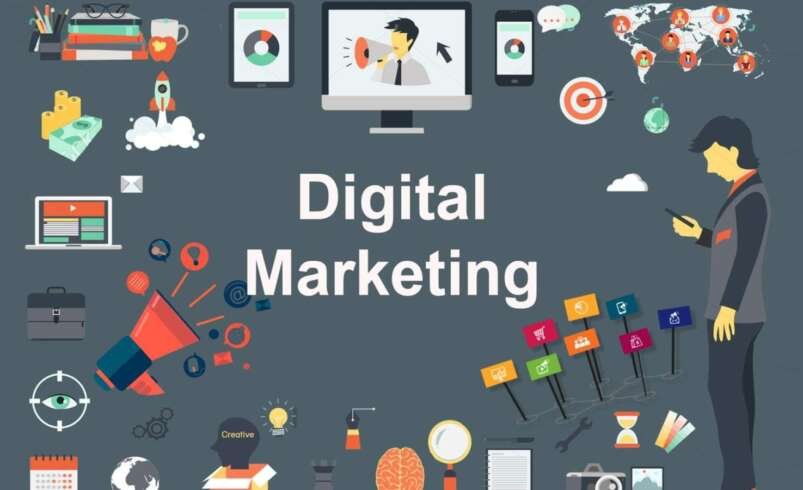

Building a successful online business requires more than simply having a website. Customers expect businesses to be easy to find, simple to contact, and capable of providing a smooth online experience. A strong digital presence helps companies communicate their value, attract potential customers, and build lasting relationships with their audiences.
Many businesses struggle to achieve these goals because their websites are outdated, their content does not answer customer questions, or their online promotional efforts lack a clear direction. Combining an effective online growth strategy with a professional website can help solve these challenges.
This is where Digital Marketing and professional website development become valuable. Together, they help businesses reach relevant audiences, deliver useful information, and turn website visitors into potential customers. Whether you operate a startup, a local service company, or an established organization, investing in the right online strategy can support long-term growth.
What Is Digital Marketing and Why Does It Matter?
Digital Marketing involves promoting products, services, and brands through online channels such as search engines, websites, social media platforms, email, and paid advertising. It allows businesses to connect with people who are actively searching for solutions or exploring relevant products and services.
Unlike traditional promotional methods, online campaigns can provide measurable information about audience behavior, traffic sources, engagement, and conversions. Businesses can use these insights to understand what works and where improvements are needed.
A well-planned strategy may include search engine optimization, content creation, social media management, email campaigns, and pay-per-click advertising. Each channel serves a different purpose, but they can work together to improve visibility and generate qualified leads.
For example, a local service provider might use optimized website pages to appear in relevant search results, publish helpful articles to answer customer questions, and run targeted advertising to reach people who need immediate assistance. This coordinated approach creates more opportunities to connect with potential customers.
Why Your Business Needs a Professional Website
Your website often creates the first impression customers have of your business. A slow, confusing, or outdated website can discourage visitors from exploring your services, even when your company offers excellent solutions.
A professional website should communicate what your business does, who it serves, and why customers should consider working with you. It should also make important information easy to find, including service descriptions, contact details, pricing information when appropriate, and answers to common questions.
A strong website offers several advantages:
- Credibility: A polished design helps communicate professionalism and consistency.
- Accessibility: Customers can explore your services and business information at convenient times.
- Lead generation: Clear calls to action encourage visitors to request quotes, book appointments, or make inquiries.
- Brand consistency: Colors, typography, images, and messaging create a recognizable identity.
- Search visibility: Well-structured pages help search engines understand your content.
- Scalability: A flexible website can accommodate new services, pages, and business goals as your company grows.
Your website should not simply look attractive. It should guide visitors toward useful information and make the next step straightforward.
How WordPress Development Services Support Business Growth
WordPress is a widely used content management system that allows businesses to manage website content without needing to write code for every update. With the right development approach, it can support business websites, service pages, blogs, portfolios, and many types of online stores.
Professional WordPress Development Services help businesses create websites that match their branding, functionality requirements, and long-term objectives.
1. Customized Website Design
Every business has different customers and goals. A customized website can reflect your brand identity while presenting your services in a clear and organized way.
Developers can create tailored page layouts, navigation menus, contact forms, and calls to action. This helps your website feel relevant to your audience rather than looking like a generic template.
2. Mobile-Friendly Experiences
Many people browse websites using smartphones and tablets. A responsive website adjusts its layout to different screen sizes, making text readable and navigation easier.
Mobile usability is especially important for businesses that depend on local customers. Visitors should be able to find your services, call your business, or submit an inquiry without struggling with the layout.
3. Better Website Performance
Website speed affects usability and can influence whether visitors remain on a page or leave. Developers can improve performance by optimizing images, selecting suitable hosting, reducing unnecessary scripts, and configuring caching where appropriate.
Performance improvements should be tested on real page templates and devices. A fast homepage alone does not guarantee that every service page or blog article will load efficiently.
4. Search Engine-Friendly Structure
A well-developed website provides clear navigation, logical page hierarchies, descriptive URLs, and accessible content. These elements help visitors understand the site and make it easier for search engines to discover and interpret pages.
Development alone cannot guarantee high rankings. Useful content, relevance, competition, site authority, and other factors also influence search performance.
5. Flexible Business Features
Businesses may need appointment forms, booking systems, payment options, customer portals, or product catalogs. WordPress can support many of these features through carefully selected plugins and custom development.
The key is choosing functionality that solves a genuine business problem without making the website unnecessarily complicated or difficult to maintain.
Combining Website Development With an Effective Online Strategy
A professional website provides the foundation, while a coordinated promotional strategy helps people discover it. These two areas should support each other from the beginning.
Search Engine Optimization
Search engine optimization helps improve the likelihood that relevant pages appear for appropriate searches. Effective SEO includes keyword research, helpful content, descriptive page titles, internal links, technical improvements, and a logical website structure.
Instead of repeating keywords unnaturally, businesses should create pages that answer the questions customers are asking. Each page should have a clear purpose and offer information that is genuinely useful.
Content Marketing
Helpful content can build trust before a customer contacts your business. Articles, service guides, case studies, and frequently asked questions allow you to demonstrate knowledge and explain how your services address customer needs.
A content plan should focus on topics that match your audience’s interests and your business objectives. Publishing large amounts of repetitive or low-value content is unlikely to provide sustainable benefits.
Social Media Marketing
Social platforms help businesses share updates, introduce services, answer questions, and engage with their communities. The most suitable platforms depend on your audience, industry, available resources, and content style.
Consistent communication and useful posts generally provide more value than publishing promotional messages without a clear purpose.
Paid Advertising
Paid search and social campaigns can help businesses reach specific audiences and test offers. Campaigns should use relevant landing pages, clear messaging, appropriate targeting, and properly configured conversion tracking.
Before increasing advertising budgets, review the quality of incoming leads, cost per conversion, and the revenue generated where reliable tracking is available.
Email Marketing
Email allows businesses to maintain relationships with people who have chosen to receive updates. Useful newsletters, educational resources, service announcements, and follow-up messages can encourage repeat engagement.
Businesses should respect consent requirements, provide a clear unsubscribe option, and avoid sending unwanted promotional messages.
Essential Website Features That Improve User Experience
A successful website combines attractive design with practical functionality. Consider these features when planning a new site or improving an existing one.
Clear navigation: Organize pages into meaningful categories so visitors can find services, company information, and contact options quickly.
Strong calls to action: Use specific wording such as “Request a Quote,” “Book a Consultation,” or “Explore Our Services.” The action should match the page’s purpose.
Secure browsing: Configure HTTPS and keep the content management system, themes, and plugins updated. Use strong passwords, appropriate access permissions, and dependable backups.
Accessible design: Provide readable text, sufficient color contrast, descriptive image alternatives, keyboard-friendly navigation, and properly labeled form fields.
Analytics and tracking: Use suitable analytics tools and conversion tracking to understand how people reach your site and which actions they complete. Configure consent and privacy controls where required.
Useful service pages: Explain what each service includes, who it benefits, what customers can expect, and how they can get started.
These improvements help create a more useful experience while giving businesses a stronger foundation for future growth.
How to Measure Online Performance
Successful online growth requires regular evaluation. Instead of focusing only on website traffic or social media followers, measure results that connect with your actual business goals.
Important metrics include:
- Organic traffic: Visits from unpaid search results.
- Qualified leads: Inquiries from people who fit your target customer profile.
- Conversion rate: The proportion of visitors who complete a defined action.
- Cost per lead: Advertising expenditure divided by the number of leads generated.
- Engagement: Meaningful interactions with content, email campaigns, or social posts.
- Revenue and return on investment: Financial results compared with the costs of your activities.
Establish a baseline before making major changes. Review performance over appropriate periods, investigate unexpected changes, and avoid drawing conclusions from small amounts of data.
A practical reporting process makes it easier to identify successful activities, correct weak areas, and allocate resources more effectively.
Choosing the Right Development and Marketing Partner
Selecting a reliable service provider can make a meaningful difference to your project. Look for a partner who understands your business goals rather than offering the same solution to every client.
Review previous projects, relevant experience, communication practices, project timelines, and the scope of ongoing support. Ask how performance will be measured and who will own the website, domain, content, analytics accounts, and other important assets.
A professional provider should explain recommendations clearly, discuss realistic expectations, and identify potential limitations before work begins.
It is also important to understand maintenance arrangements. Websites need updates, security monitoring, backups, and occasional improvements. Promotional campaigns require testing, reporting, and adjustments as audience behavior changes.
The best partnership is built on transparency, practical planning, and a shared understanding of what success means for your business.
Conclusion
A strong online presence depends on more than an attractive website or occasional promotional campaigns. Businesses need a coordinated approach that combines useful content, accessible design, reliable technology, and measurable objectives.
Digital Marketing helps companies connect with relevant audiences, while professional WordPress Development Services provide a flexible platform for presenting information, generating leads, and supporting customer interactions.
Start by identifying your most important business goal, reviewing your current website, and understanding where potential customers encounter difficulties. Make improvements based on evidence, measure the results, and continue refining your approach. With consistent effort and the right priorities, your online presence can become a valuable asset for sustainable business growth.
Frequently Asked Questions (FAQs)
1. What is Digital Marketing used for?
It helps businesses promote their products and services online, improve brand awareness, reach relevant audiences, generate leads, and measure campaign performance.
2. What are WordPress Development Services?
These services involve creating, customizing, improving, and maintaining WordPress websites. They may include website design, responsive layouts, plugin configuration, custom functionality, performance optimization, and security improvements.
3. Is WordPress suitable for small businesses?
Yes. WordPress can be a practical option for small businesses because it supports service websites, blogs, portfolios, and online stores. The right setup depends on the company’s needs, budget, and maintenance capabilities.
4. How does website design affect SEO?
Good website design can support SEO through clear navigation, mobile usability, accessible content, logical page structure, and improved performance. However, design alone does not guarantee search engine rankings.
5. How long does it take to see results from online marketing?
The timeline depends on the channel, competition, budget, website condition, and campaign objectives. Paid advertising can generate early traffic, while SEO often requires sustained effort over several months. Results vary, and no specific ranking or lead volume can be guaranteed.