
Explore garage door materials, weather protection, security features, maintenance needs, and operating systems to make an informed choice for your property.
Garage doors are used regularly, yet homeowners may not think about their construction until a door becomes noisy, difficult to operate, or reaches the point where replacement is necessary. Understanding the materials and features available can make it easier to plan a new installation and choose a door that meets the property’s practical requirements. Learn more about Ron Garage Door LLC and its garage door services.
A well-planned garage door project considers more than exterior appearance. Material selection, weather exposure, security, operating equipment, and maintenance all influence the long-term experience of using the door.
Understand How Construction Affects Performance
Garage doors are manufactured in different constructions, including single-layer and multi-layer designs. Some models have insulation between their outer and inner surfaces, while others use simpler constructions for applications where insulation is less important.
The appropriate construction depends on how the garage is used. A detached storage garage may have different requirements from an attached garage that serves as a daily entrance to the home.
When comparing products, homeowners should review the manufacturer’s specifications for durability, insulation, maintenance, and intended application. Two doors that look similar can have different internal constructions and operating characteristics.
Think About Weather Exposure
Weather conditions can influence the choice of garage door material, finish, and seals. In Arizona, intense sunshine and high temperatures may be important considerations, particularly for garages that receive direct afternoon sunlight.
The exterior finish should be appropriate for the product and its exposure. Following the manufacturer’s cleaning and maintenance instructions can help preserve its appearance. Weather seals should also be checked periodically for visible wear, gaps, or damage.
Although seals can help limit the entry of dust, leaves, and outdoor air, they cannot make every garage completely airtight. Their effectiveness depends on the door’s design, the condition of the surrounding structure, and the fit of the closed door.
Homeowners should also pay attention to drainage and the condition of the garage threshold. Water-management needs vary by property, and damaged seals or structural gaps may require separate attention.
Choose Features Based on Daily Use
Garage door features are most useful when they address the needs of the people using the space. Before choosing a model, consider how often the door opens, whether the garage is used for storage or hobbies, and how the household enters and leaves the property.
Insulation
Insulation may be worth considering when the garage is attached to the home or used for activities that benefit from a more comfortable indoor environment. Compare the stated insulation performance of different models and consider the condition of the rest of the garage.
Windows and Natural Light
Windows can make a garage feel brighter during the day. Their placement should be considered carefully, especially when the garage faces a street or neighboring property. Window designs with suitable glazing can help balance light, privacy, and appearance.
Finish and Color
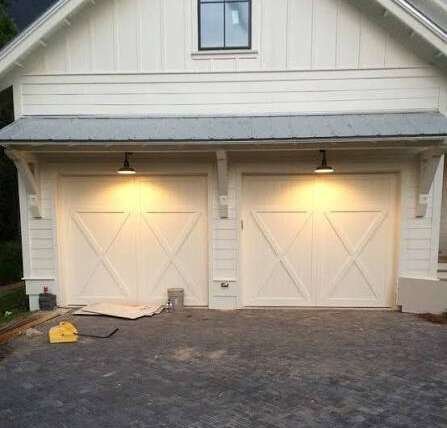
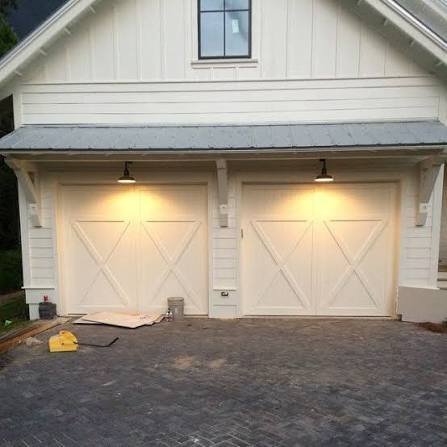
The door’s finish should complement the exterior of the home and suit the homeowner’s maintenance preferences. Some finishes may require periodic care to maintain their appearance, so product-specific recommendations are worth reviewing before purchase.
Manual or Automatic Operation
A manually operated door may suit some applications, while an automatic system can provide added convenience for everyday access. The decision should account for the door’s weight, balance, intended use, and the suitability of any operating equipment.
An automatic opener must be compatible with the door and installed with appropriate safety features. It should not be used to compensate for a door that is binding, damaged, or improperly balanced.
Why Component Compatibility Is Important
A garage door is a connected mechanical system. Panels, hinges, rollers, tracks, springs, brackets, and operating equipment must be appropriate for the selected door and the opening where it will be installed.
If components are mismatched, the door may not move as intended. Poor alignment can contribute to uneven travel, additional wear, or operating difficulties. Existing hardware should therefore be assessed before deciding whether it can be reused with a replacement door.
The condition of the surrounding frame also matters. A new door cannot correct every problem associated with damaged framing, insufficient support, or an uneven opening. Identifying these conditions early helps the installation plan account for the work required.
When Is Replacement Worth Considering?
Age alone does not always determine whether a garage door needs replacement. The decision should consider the door’s condition, operating performance, repair history, and suitability for the property.
Replacement may be worth exploring when panels have significant damage, the door no longer fits the opening appropriately, the design does not meet current needs, or compatible replacement components are difficult to source.
Repeated operating problems should be evaluated before deciding between repair and replacement. A professional inspection can help identify whether the issue involves a serviceable component, the door itself, or the surrounding installation.
Homeowners should avoid operating a door that appears unstable, has a broken spring, or has come off its tracks. These conditions can create serious hazards and should be assessed by a qualified technician.
Planning a Professional Installation in Surprise
A successful project begins with a clear understanding of the garage and the door that will be installed. Garage Door Installation in Surprise, AZ can involve evaluating the opening, checking clearance, reviewing material and insulation choices, and confirming compatibility with the required hardware and operating system.
Ron Garage Door LLC serves homeowners and businesses in Surprise, Arizona, with garage door installation options tailored to different property requirements. Discussing the intended use of the garage, preferred appearance, and operating needs can help narrow the available choices.
Before work begins, homeowners should ask what is included in the estimate, whether removal of the old door is covered, which components will be installed, and how the completed system will be tested. Clear answers help set expectations and make it easier to compare estimates fairly.
A Simple Maintenance Routine After Installation
Once the new door is installed, regular visual checks can help homeowners notice changes before they become more disruptive.
- Look for visible damage to the panels and weather seals.
- Listen for new or unusual sounds during normal operation.
- Keep the area around the door and its tracks clear of stored items.
- Check that safety sensors remain unobstructed and follow the manufacturer’s testing instructions.
- Arrange professional service if the door becomes uneven, jerks during movement, or reverses unexpectedly.
Do not attempt to adjust springs, cables, or other high-tension components yourself. These parts can cause serious injuries if handled incorrectly.
Conclusion
The right garage door should suit the property, withstand its expected conditions, and work with compatible hardware and operating equipment. Comparing construction, insulation, weather protection, appearance, and maintenance requirements helps homeowners make a more informed decision.
Careful planning before installation, followed by sensible maintenance and prompt attention to operating problems, can support reliable everyday use and help protect the investment in a new garage door.
Frequently Asked Questions
What features should I compare when buying a garage door?
Compare the door’s construction, material, insulation performance, finish, window options, safety compatibility, and maintenance requirements. Your garage’s intended use should guide which features matter most.
Can hot weather affect a garage door?
Prolonged heat and direct sunlight can affect exterior finishes and may contribute to material deterioration over time. Choosing a suitable product and following its maintenance instructions can help preserve its condition.
How often should a garage door be inspected?
Check the door periodically for visible damage, worn seals, unusual noises, or uneven movement. Follow the manufacturer’s maintenance schedule and arrange professional service when you notice a change in operation.
What causes a garage door to operate unevenly?
Possible causes include damaged rollers, track alignment problems, worn components, or spring-related issues. Because some components are under high tension, a qualified technician should inspect the system rather than attempting hazardous adjustments yourself.
When should a garage door be replaced instead of repaired?
Replacement may be appropriate when the door has extensive damage, recurring problems, an unsuitable design, or components that are difficult to source. A professional inspection can help determine whether repair or replacement is the more practical option.
What should I ask a contractor before installation?
Ask about the door model, included hardware, removal of the existing door, installation costs, opener compatibility, safety testing, and warranty coverage. Getting these details in writing makes it easier to compare estimates and understand the scope of work.