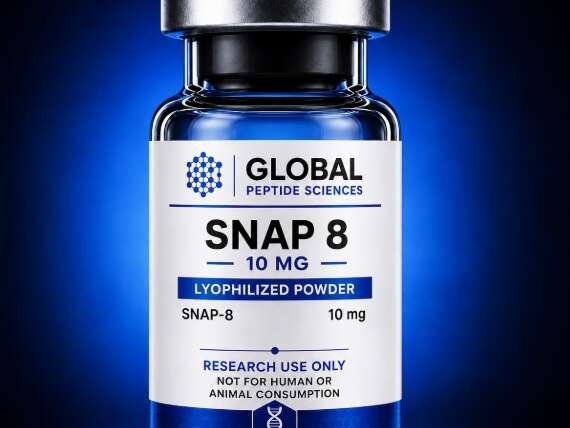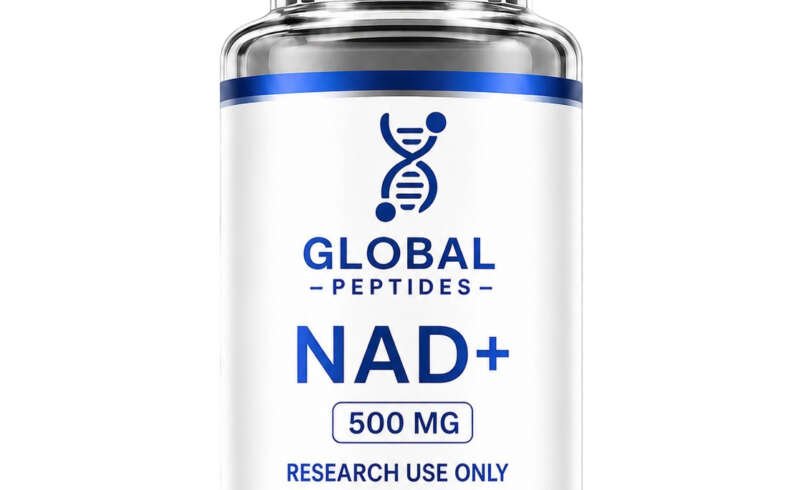

The keyword Buy Peptides Australia reflects online interest in peptide science, research materials, and peptide-based medicines. Peptides are short chains of amino acids that play roles in many biological processes. Some peptide-based medicines are approved for specific medical uses, while other compounds remain under investigation and may not be authorised for therapeutic purposes.
GLOBAL PEPTIDES takes an informational, research-focused approach to peptide-related topics. Understanding a peptide requires more than reading a product description or promotional claim. Its scientific evidence, intended purpose, documentation, and regulatory status all matter. An online listing does not automatically establish that a product is approved, safe, effective, or suitable for human use.
What Are Peptides?
Peptides are molecules made from amino acids connected in a particular sequence. Their structures influence how they interact with biological systems, and individual peptides can have different properties. Scientists investigate these compounds to better understand biological signalling, molecular activity, and other processes relevant to research and medicine.
Not every peptide studied in a laboratory is an approved medicine. Some have established therapeutic applications, while others have limited clinical evidence or remain experimental. Readers exploring peptide-related information should therefore consider the specific compound and its intended purpose instead of assuming that every product described as a peptide has the same evidence base or regulatory status.
Understanding the Australian Peptide Market
People searching for Buy Peptides Australia may encounter approved medicines, research-related materials, cosmetic products, and websites promoting compounds for health or performance purposes. These categories are not interchangeable. Australian regulatory requirements depend on factors such as the product’s composition, presentation, intended purpose, and claims made about it.
The Therapeutic Goods Administration (TGA) explains that some peptide products are approved for use in Australia, while many promoted online are unapproved therapeutic goods. These unapproved products have not been assessed by the TGA for safety, quality, or effectiveness. Readers can review the official TGA peptide products guidance to understand the regulatory framework and associated risks.
Australian Regulations and Product Approval
Australian requirements are an important consideration when evaluating peptide products. Therapeutic goods regulated as medicines generally need to be included in the Australian Register of Therapeutic Goods (ARTG) before they can be imported, manufactured, supplied, exported, or advertised, unless a specific exemption, approval, or authority applies. The requirements depend on the product and the circumstances involved.
Products not included in the ARTG may be unapproved therapeutic goods and have not been assessed by the TGA for safety, quality, or effectiveness. The regulator also explains that descriptions such as “research use only” or “not for human use” do not automatically remove legal obligations. For further details, consult the TGA’s guidance on regulating therapeutic peptide products.
Product Documentation and Transparency
Product documentation can help readers understand the information a supplier provides about a peptide. Depending on the product, records may include a stated compound identity, specifications, batch references, or results from particular analytical tests. Reviewing the scope of these documents can clarify what characteristics have reportedly been examined and what information remains unavailable.
A certificate of analysis does not automatically establish therapeutic approval, clinical effectiveness, or suitability for human use. Its value depends on the tests performed, the reliability of the testing process, and the specific details reported. GLOBAL PEPTIDES encourages readers to interpret technical documents carefully and distinguish supplier-provided information from independent evidence and formal regulatory assessment.
Evaluating Supplier Claims
Websites discussing peptides may make claims about purity, product consistency, manufacturing standards, or potential applications. Such statements should be evaluated according to the evidence supporting them. A claim about one product characteristic does not necessarily establish overall quality, safety, or compliance with Australian requirements.
Customer testimonials and promotional descriptions are not substitutes for reliable scientific evidence. A professional-looking website or detailed product listing cannot independently verify the ingredients or quality of a product. Readers should look for clear, relevant information and consider whether each claim is supported by evidence that directly addresses it.
Risks Associated With Unapproved Peptide Products
Unapproved peptide products can present uncertainty about their ingredients, labelling, manufacturing conditions, and sterility. The TGA warns that some products sold online are poorly labelled or supplied in unmarked containers, making it difficult to confirm their contents. If the product’s identity and manufacturing quality cannot be established, its potential risks may also be difficult to assess.
Australian health authorities have reported serious adverse effects associated with unapproved peptide products, including liver damage, severe allergic reactions, and other complications. Products may also be intercepted at the border when importation requirements are not met, potentially causing financial loss. Readers should consult the TGA’s online peptide safety guidance before drawing conclusions from online product listings.
Research Use and Therapeutic Use
Some peptide products are labelled “research use only” or “not for human use.” These phrases do not, by themselves, determine a product’s legal status in Australia. The TGA explains that disclaimers do not remove applicable obligations when a product is regulated as a therapeutic good. Its composition, presentation, intended purpose, and supply circumstances may all be relevant.
Research materials should not automatically be considered appropriate for medical treatment. Approved medicines are assessed for defined therapeutic purposes, whereas unapproved products may lack comparable evidence and quality assurance. Researchers and businesses should understand the rules applicable to their activities, and anyone considering peptides for a health-related purpose should consult an appropriately qualified healthcare professional.
Scientific Evidence and Peptide Research
Scientific publications help explain the properties and potential biological activity of individual peptides. However, evidence must be interpreted in the context of the research design and its limitations. Laboratory experiments, preclinical studies, and human clinical trials address different questions, so early findings cannot automatically establish safety or effectiveness in people.
When researching Buy Peptides Australia, readers may encounter claims involving weight management, muscle growth, recovery, or anti-ageing. These claims require appropriate evidence and should not be accepted simply because they appear repeatedly in marketing material. Peer-reviewed research and official regulatory resources provide a stronger foundation for understanding what is known and where uncertainty remains.
The Role of GLOBAL PEPTIDES
GLOBAL PEPTIDES focuses on peptide-related information, scientific context, documentation, and awareness of Australian regulatory requirements. This approach recognises that technical records, scientific publications, commercial descriptions, and regulatory decisions serve different purposes. Considering each source in context helps readers avoid drawing conclusions that the available evidence cannot support.
Readers researching peptide products can begin by identifying the specific compound and its stated purpose. Reviewing relevant scientific evidence and current official guidance can help clarify the product’s status and identify important unanswered questions. This research-focused approach supports a more informed understanding of peptide-related information without relying exclusively on promotional claims.
Making Informed Decisions About Peptide Products
Evaluating peptide products involves considering their identity, documentation, scientific evidence, intended purpose, and regulatory status. Each factor contributes different information, and no single certificate, review, or website statement provides a complete guarantee of quality or compliance. Online availability should never be treated as proof that a product is authorised for therapeutic use.
Consumers considering peptides for medical purposes should seek advice from a qualified healthcare professional and use legitimate healthcare channels. Researchers and businesses should confirm the requirements that apply to their specific products and activities before importing, manufacturing, supplying, or advertising therapeutic goods in Australia. Current TGA guidance is an important resource for understanding these responsibilities.
Conclusion
The search for Buy Peptides Australia covers a broad range of compounds with different research backgrounds, intended uses, and regulatory statuses. Understanding these differences is essential because online availability does not establish that a product has been assessed or authorised for therapeutic use. Scientific evidence, product documentation, and official regulatory information provide a more reliable basis for evaluating peptide-related claims.
GLOBAL PEPTIDES supports a research-focused approach that emphasises transparency, careful interpretation, and regulatory awareness. Readers should consult current TGA guidance and seek qualified professional advice when considering peptide products for health-related purposes. Separating established evidence from commercial promotion helps create a clearer understanding of peptide science and the requirements that may apply in Australia.