
A well-designed retaining wall can make a significant difference in the appearance, stability, and usability of an outdoor property. Sloped yards, uneven ground, and areas affected by soil movement can limit how homeowners use their outdoor spaces. With proper planning and construction, a retaining wall can help manage these challenges while creating a more organized and attractive landscape.
Vicente Outdoor Living helps homeowners in Tyler and surrounding East Texas communities improve their properties through thoughtfully planned outdoor construction. As experienced retaining wall contractors in Tyler TX, the team focuses on solutions that complement the landscape while supporting practical needs such as erosion management, grade changes, and additional usable space. Every project should consider the property’s layout, drainage requirements, material choices, and long-term purpose.
Why Retaining Walls Matter for Residential Landscapes
A sloped yard can create challenges for planting, walking, entertaining, and maintaining outdoor areas. Soil may shift during heavy rain, water can collect in unwanted places, and parts of the property may remain difficult to use. A properly planned retaining wall helps manage differences in elevation and can create flatter sections for gardens, patios, walkways, or other landscape features.
Beyond their functional benefits, retaining walls can introduce structure and visual interest to a yard. Different wall heights, textures, and finishes can complement the home’s architecture and connect separate outdoor areas. When integrated into a complete landscape plan, a retaining wall becomes more than a barrier; it can serve as an attractive feature that improves the overall design.
Choosing Retaining Wall Contractors in Tyler TX
Selecting the right contractor is an important step toward achieving a durable and attractive result. Retaining wall construction involves more than stacking blocks or placing stone along a slope. The design must account for soil conditions, wall height, drainage, ground preparation, and the pressure created by the soil behind the structure. Overlooking these factors can contribute to movement, cracking, or premature deterioration.
Homeowners should look for a contractor who evaluates the site carefully and explains the proposed approach before construction begins. Vicente Outdoor Living considers the property’s existing conditions and the homeowner’s goals when planning outdoor improvements. Clear communication about materials, preparation, drainage, and project scope helps establish realistic expectations and supports a smoother building process.
Common Retaining Wall Materials and Design Options
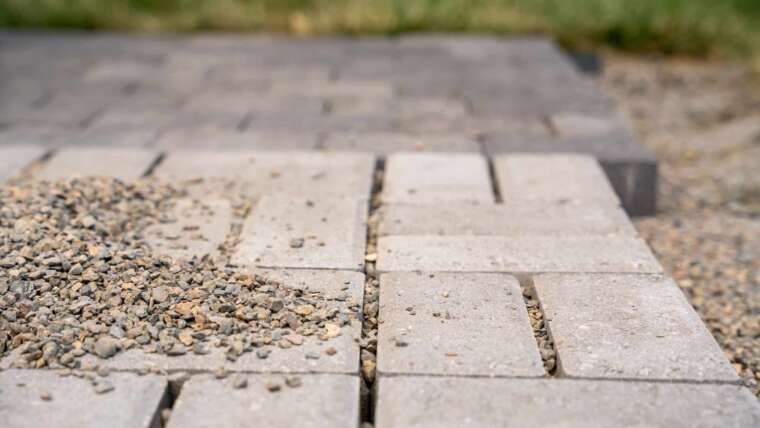
Retaining walls can be built with different materials depending on the landscape, desired appearance, and construction requirements. Segmental retaining wall blocks offer a structured look and can work well with patios, pathways, and other hardscape elements. Natural boulder walls provide a more organic appearance, while limestone blocks can complement properties that benefit from a traditional stone finish.
The best material is not always the most expensive or visually dramatic option. It should suit the wall’s intended function, the surrounding environment, and the overall landscape design. Color, texture, wall shape, and height all influence the finished appearance. A coordinated plan helps the structure blend with existing features rather than appearing disconnected from the rest of the yard.
How Proper Drainage Supports Retaining Wall Performance
Water management is one of the most important considerations in retaining wall construction. When water accumulates behind a wall, pressure can increase and place additional stress on the structure. Heavy rainfall can also affect the soil surrounding the installation, making drainage planning essential for many residential projects in East Texas.
A suitable drainage system may include clean gravel backfill, drainage pipe, and appropriate paths for water to escape. The specific design depends on the wall’s size, site conditions, and local requirements. Careful grading also helps direct runoff away from vulnerable areas. Addressing these details during construction can reduce avoidable problems and support the wall’s long-term performance.
Signs Your Property May Need a Retaining Wall
Some landscape challenges are easy to overlook until they begin affecting how the yard functions. Soil erosion, steep transitions, and recurring drainage issues may indicate that a property would benefit from a professional assessment. A retaining wall can sometimes provide a practical way to organize uneven terrain and make outdoor areas more accessible.
Homeowners may want to consider a retaining wall when they notice these conditions:
- Soil washing away from sloped planting beds or exposed ground.
- Uneven areas that make it difficult to plan a patio, garden, or walkway.
- Changes in elevation that reduce usable yard space.
- Landscape areas that need clearer separation or better grade management.
These signs do not automatically mean that a retaining wall is the only solution. The right approach depends on the property’s layout, water movement, soil conditions, and intended use. A site evaluation helps determine whether a retaining wall, grading adjustment, drainage improvement, or combination of features is appropriate.
Integrating Retaining Walls With Outdoor Living Features
A retaining wall can become part of a larger outdoor environment when its placement is coordinated with other landscape elements. For example, a wall may define the edge of a patio, create raised planting areas, support a terraced garden, or help organize a sloped backyard. When the design is planned as a whole, these features can make the property feel more connected and functional.
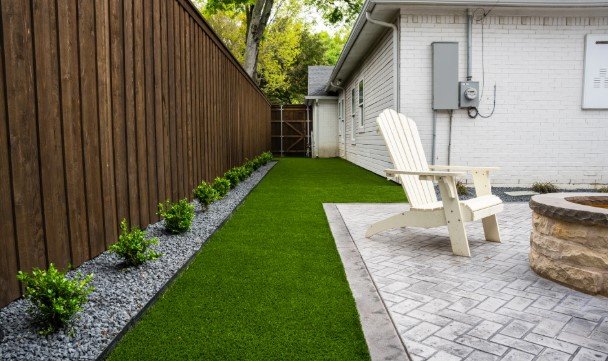
Vicente Outdoor Living provides outdoor design and construction services that can complement retaining wall projects. Depending on the property’s needs, homeowners may consider patios, walkways, landscaping, artificial turf, or outdoor gathering areas as part of a broader improvement plan. Coordinating these elements can help create a consistent appearance while making better use of available space.
The Importance of Site Preparation and Construction
A retaining wall’s long-term performance depends heavily on the work completed before the visible structure takes shape. The construction team may need to excavate the area, prepare a suitable foundation, establish the correct wall alignment, and compact the base material. These steps help provide a stable starting point for the wall and reduce the risk of uneven settlement.
Other construction details may include suitable backfill, reinforcement where required, and careful attention to drainage. Larger or taller walls can involve additional engineering considerations, permits, inspections, or local building requirements. Contractors should evaluate the project’s scope and determine which technical measures are necessary rather than relying on one approach for every property.
Planning a Retaining Wall Project in Tyler
Before construction begins, homeowners should consider what they want the wall to accomplish. Some projects focus on managing a slope, while others create room for landscaping, improve the layout around a patio, or give the yard a more defined appearance. Identifying the primary goal helps guide decisions about wall placement, height, materials, and how the surrounding space will be used.
A thoughtful planning process also considers access, drainage patterns, existing structures, and the relationship between the wall and the rest of the property. Useful questions include how water currently moves through the yard, whether the wall will support additional loads, and how the finished area should function. A clear scope and itemized estimate can help homeowners understand the work involved before approving construction.
What to Look for in a Retaining Wall Contractor
Reliable communication and careful workmanship are important throughout a retaining wall project. Homeowners should understand the proposed design, the materials being used, the preparation process, and any maintenance considerations. A contractor who explains these details clearly can help homeowners make informed decisions and avoid confusion as the work progresses.
When comparing contractors, consider these factors:
- Experience with retaining walls and related hardscape construction.
- A clear explanation of base preparation and drainage methods.
- Material recommendations suited to the property’s conditions.
- Transparent project scope, scheduling, and cost estimates.
- Willingness to address applicable permits or engineering requirements.
Price is only one part of choosing a contractor. A low initial estimate may not provide the best value if important preparation or drainage work is missing. Reviewing the complete scope helps homeowners compare proposals fairly and choose a solution based on quality, suitability, and expected performance.
Retaining Wall Services From Vicente Outdoor Living
Vicente Outdoor Living works with homeowners who want outdoor spaces that are attractive, functional, and planned around their property’s conditions. Retaining wall projects can address changes in elevation while supporting broader landscape goals, whether the priority is organizing a sloped yard, defining planting areas, or connecting different outdoor features.
For homeowners searching for retaining wall contractors in Tyler TX, a site-specific approach is essential. Each property has its own layout, drainage patterns, and design requirements, so recommendations should reflect those conditions. Discussing the intended purpose, preferred materials, and overall landscape vision helps establish a practical direction for the project and provides a foundation for a clear proposal.
Conclusion
A well-planned retaining wall can improve the organization, usability, and appearance of a residential landscape. By helping manage grade changes and erosion concerns, it can create opportunities for gardens, pathways, patios, and other outdoor features. Long-term results depend on suitable materials, careful site preparation, effective drainage, and construction methods appropriate for the property’s conditions.
Vicente Outdoor Living helps homeowners in Tyler and nearby East Texas communities plan outdoor improvements that fit their needs and surroundings. When evaluating retaining wall contractors in Tyler TX, homeowners should prioritize a detailed site assessment, clear communication, and a construction plan that considers both function and appearance. With the right approach, a retaining wall can become a valuable part of a well-organized outdoor space.