
A comfortable home depends on more than its heating and cooling systems. Air leaks around windows, poorly sealed gaps, inadequate insulation, and deteriorating exterior materials can all affect indoor comfort and energy use. When planning repairs or renovations, selecting suitable materials for the building envelope can help address these issues and support a more durable home.
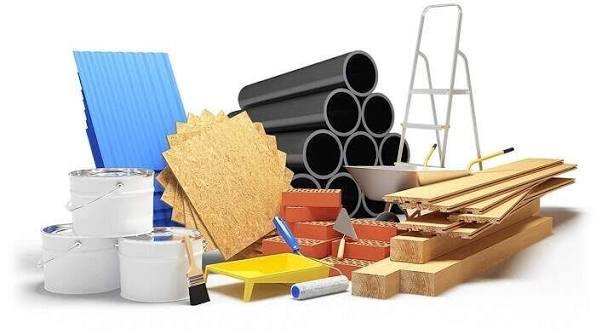
Choosing the right Building Supplies involves understanding how different materials contribute to insulation, moisture management, air sealing, and structural performance. Whether you are improving an older property, renovating a room, or building a new space, making informed material choices can help reduce drafts, protect interior surfaces, and create a more comfortable environment throughout the year.
Understand How Your Home Loses Energy
Before purchasing materials, identify where your home may be losing conditioned air or allowing unwanted heat transfer. Common problem areas include attic spaces, exterior doors, window frames, basement walls, rim joists, and openings around utility penetrations.
Drafts may be noticeable near windows and doors, but other problems can be less obvious. Uneven indoor temperatures, condensation, and rooms that remain uncomfortable despite heating or cooling may indicate that the building envelope needs attention.
Begin with a visual inspection and note areas where seals are cracked, insulation appears disturbed, or exterior materials show signs of deterioration. For persistent moisture, unusual odors, or substantial temperature differences, a professional assessment can help identify the underlying cause.
Avoid purchasing insulation or sealants before understanding the problem. For example, adding insulation without addressing significant air leakage or moisture issues may not deliver the expected improvement and could create additional building problems.
Choose Insulation That Suits the Application
Insulation slows heat transfer between indoor and outdoor environments. Its effectiveness depends on the material’s thermal performance, thickness, installation quality, and suitability for the location.
Different parts of a home may require different insulation products. Attics, exterior walls, floors above unconditioned spaces, and basement assemblies each have distinct requirements.
Fiberglass insulation
Fiberglass insulation is commonly available in batts and rolls for suitable framing cavities. It can be practical for projects involving accessible wall or ceiling cavities, provided the product is installed correctly and kept appropriately protected from moisture.
Rigid foam insulation
Rigid foam boards can be useful in selected applications where continuous insulation or a particular thermal resistance is required. Product type, thickness, fire protection, and compatibility with adjoining materials must be considered before installation.
Other insulation options
Mineral wool, cellulose, and other insulation materials may suit different building assemblies and project requirements. Compare thermal performance, moisture characteristics, installation needs, and local building-code requirements rather than selecting a product based on price alone.
For any insulation project, verify the recommended application and installation instructions. Insulation should not obstruct required ventilation, cover equipment that needs clearance, or be installed in ways that create fire or moisture hazards.
Seal Air Leaks Around Windows and Doors
Small gaps around window frames, exterior doors, and service penetrations can allow unwanted air movement. Addressing these openings can improve comfort, although the correct repair depends on the location, size, and movement of the gap.
Weatherstripping is commonly used around operable doors and windows to create a better seal when they are closed. Different profiles are designed for different frame types and gap sizes, so accurate measurements matter.
Caulk may be suitable for sealing certain stationary joints, such as compatible gaps around trim. For larger gaps, expanding foam or another purpose-designed sealant may be appropriate, but it must be compatible with the materials and application.
Before choosing a sealant, check whether the joint is intended to move, whether it is exposed to weather, and whether it needs to remain paintable. Exterior applications also require products rated for the expected exposure conditions.
Do not seal intentional drainage openings, required ventilation paths, or combustion-air openings. If you are unsure whether a gap is part of a necessary ventilation system, seek professional advice before closing it.
Select Exterior Materials for Weather Resistance
Exterior building materials face rain, wind, sunlight, temperature changes, and repeated seasonal expansion and contraction. Choosing materials suitable for local weather conditions helps protect the structure and can reduce the need for premature repairs.
When evaluating siding, trim, flashing, and related products, consider their resistance to moisture, durability, installation requirements, and compatibility with existing construction.
Flashing deserves particular attention because it directs water away from vulnerable joints around windows, doors, roofs, and other transitions. Incorrectly installed flashing can allow water to enter the building even when the surrounding materials appear intact.
Inspect exterior surfaces for cracked sealant, damaged trim, loose siding, and deteriorating joints. Repairing these issues early may help prevent moisture from reaching wall cavities or interior finishes.
For replacement projects, match the material to the existing assembly and follow the manufacturer’s installation instructions. A product that performs well in one location may not be appropriate for a different exposure or structural application.
Manage Moisture Before Adding New Materials
Moisture management is essential to building durability. Leaks, condensation, poor drainage, and excessive indoor humidity can damage insulation, wood, drywall, and finishes.
If you notice damp walls, peeling paint, recurring condensation, or visible mold, identify and address the moisture source before covering the affected area with new materials.
The appropriate solution may involve repairing a plumbing leak, improving drainage, correcting exterior flashing, managing indoor humidity, or addressing ventilation. Different problems require different remedies, and simply installing a moisture-resistant product does not eliminate the source of water.
Vapor-control layers and air barriers also need to be selected according to the building assembly and climate. Their placement can affect how moisture moves through walls and roofs, so avoid making major changes without understanding the existing construction.
For extensive water damage, persistent mold, or suspected structural deterioration, consult a qualified professional to determine the necessary repairs.
Choose Drywall and Finishing Materials for Lasting Results
Interior renovations often involve drywall panels, joint compounds, tape, corner accessories, fasteners, and finishing products. Selecting compatible materials helps create smooth surfaces and reduces the likelihood of visible defects.
Start by identifying the environment where the drywall will be installed. Standard drywall may be suitable for many ordinary interior areas, while certain moisture-prone or specialized locations may require products specifically designed for those conditions. Product suitability does not replace required waterproofing or other code-mandated protection.
Use the correct fastener type and length for the framing and panel specifications. Joint tape and compound should be compatible with the intended system, and drying conditions should follow manufacturer recommendations.
For a clean finish, apply joint compound in appropriate layers, allow it to dry, and sand carefully between stages when required. Remove dust before priming and painting.
Good preparation is particularly important when new drywall meets existing surfaces. Careful blending of joints and transitions helps the finished area look consistent with the rest of the room.
Consider Long-Term Value Instead of Initial Price
Building materials should be evaluated by their total value over time, not simply their purchase price. A low-cost product may require more maintenance or replacement, while a more suitable material may provide better durability for its intended application.
When comparing options, consider:
- Expected service life and resistance to local weather conditions.
- Compatibility with existing framing, finishes, and fasteners.
- Installation complexity and the need for specialized labor.
- Maintenance requirements and replacement availability.
- Thermal performance, moisture control, and other relevant product specifications.
For insulation and energy-efficiency projects, also consider the condition of the existing home and the likely benefits of the proposed improvement. Sealing significant drafts may be a sensible starting point, but the best sequence of work depends on the building’s actual needs.
Avoid mixing incompatible products or substituting materials that do not meet the requirements of the application. Savings at the checkout can be lost if a repair fails or needs to be repeated.
Plan Your Material List Before Visiting the Store
A well-prepared material list makes renovation projects easier to manage. Measure the areas involved, note the existing materials, and identify the tools and accessories needed for installation.
For example, an air-sealing project may require weatherstripping, compatible caulk, application tools, and cleaning supplies. An insulation project may involve insulation products, approved air-sealing materials, protective equipment, and suitable cutting tools.
Record product dimensions, coverage rates, and installation requirements. Add a reasonable allowance for cutting and waste where appropriate, but avoid buying excessive quantities of products with limited shelf life.
If a project involves multiple materials that must work together, confirm compatibility before purchasing. This is especially important for moisture-control assemblies, exterior weatherproofing, and insulation systems.
Waddington Hardware’s building-supplies department is a useful starting point for exploring materials for construction, repairs, and home improvement. For specialized products, confirm availability and application suitability before finalizing your project list.
Final Thoughts
A more comfortable and durable home starts with understanding how its materials work together. Insulation, weatherstripping, sealants, flashing, exterior components, and interior finishing products each serve a different purpose, and choosing the right combination is essential for lasting performance.
Selecting Building Supplies with energy efficiency, moisture control, and durability in mind can help homeowners make more informed renovation decisions. Inspect the property first, compare products according to their intended applications, and follow manufacturer instructions and local building requirements to create improvements that support comfort and long-term reliability.