
A bright smile can help you feel more confident, but teeth may become stained or discoloured over time. Coffee, tea, red wine, smoking, ageing, and certain medications can affect the natural colour of teeth. While brushing and regular dental care help maintain oral health, some stains may need a different approach.
If you are researching Professional Teeth Whitening East Brisbane, understanding the available treatments can help you make an informed choice. Professional whitening aims to lighten certain types of tooth discolouration, but results depend on your natural tooth colour, the cause of staining, and the method used.
This guide explains how professional teeth whitening works, what to expect during an appointment, and how to care for your smile after treatment.
What Is Professional Teeth Whitening?
Professional teeth whitening is a cosmetic treatment designed to make natural teeth appear lighter. Depending on the system, it uses a whitening gel containing an active bleaching ingredient to reduce certain stains.
Tooth discolouration can happen for several reasons. Surface stains may develop from frequently consuming coffee, tea, and other coloured drinks. Ageing can also change the appearance of teeth, while some medications, injuries, and changes within the tooth can cause deeper discolouration.
The cause of the stain matters because not every type responds equally well to whitening. An assessment can help determine whether whitening may be suitable and what results are realistic.
For people considering Professional Teeth Whitening East Brisbane, understanding these differences is a useful first step before choosing a service.
Benefits of Professional Teeth Whitening
Personalised Guidance
Every smile is different. The original shade of your teeth, the type of stains, and your dental health can influence the most suitable treatment.
A consultation allows you to discuss your goals and learn about the available options. It also provides an opportunity to raise concerns about sensitive teeth, existing dental work, or previous whitening experiences.
Help With Certain Stains
Professional whitening can reduce many common stains and make natural teeth appear lighter. The amount of change varies, and some deeper stains may respond less predictably.
A suitable provider should explain the likely outcome without promising a particular shade or guaranteed result.
Clear Treatment Information
Knowing how a treatment works can help you feel more prepared. A professional service should explain the products being used, the steps involved, possible side effects, and the recommended aftercare.
This information helps you decide whether the treatment fits your needs and expectations.
What to Expect During a Whitening Appointment
The exact process depends on the whitening system and the provider. However, professional treatment generally involves several important steps.
1. Initial Assessment
Before whitening, your teeth and gums should be checked for problems that could affect treatment. The provider may ask about your dental history, sensitivity, restorations, and desired results.
If you have untreated cavities, gum disease, or damaged teeth, these issues may need attention before cosmetic whitening.
2. Preparing Your Teeth
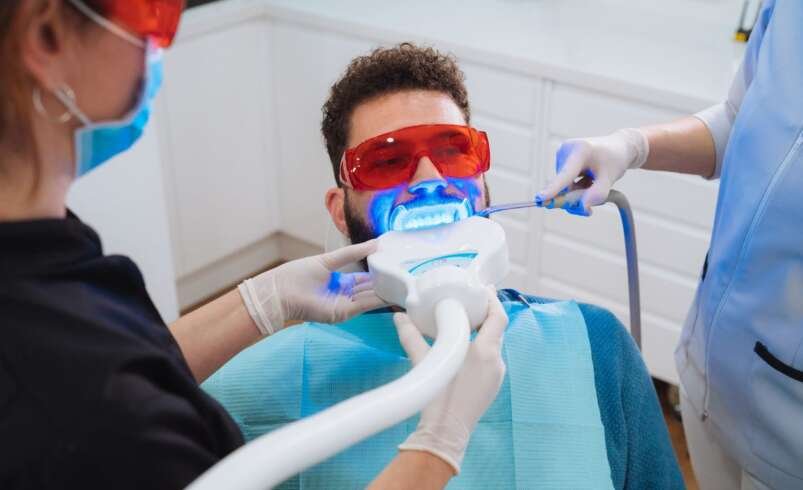
Depending on the treatment, the provider may clean the teeth and protect the gums and other soft tissues. You should receive clear information about the procedure and how the whitening product will be applied.
Ask questions if you are unsure about any part of the process.
3. Applying the Whitening Product
The whitening gel is applied according to the instructions for the chosen system. Some treatments use a light as part of the process, while others rely on the gel alone.
The application time and number of treatment stages can vary. Not all professional whitening systems use the same ingredients or equipment.
4. Reviewing the Outcome
After treatment, the provider can discuss the colour change and explain how to maintain the result. Some people notice a clear improvement, while others experience a more modest change.
Temporary tooth sensitivity or gum irritation can occur. Follow the aftercare advice provided and seek guidance if discomfort continues or becomes severe.
Professional Whitening vs At-Home Products
At-home whitening products include whitening toothpaste, strips, gels, and kits. These products differ in their ingredients, strength, and application methods.
Whitening toothpaste mainly helps remove surface stains. Some strips and gels contain bleaching ingredients that can lighten certain types of discolouration when used as directed.
Professional whitening offers the opportunity to discuss treatment suitability and receive guidance about the process. Depending on the method, it may produce a more noticeable change than ordinary whitening toothpaste. However, results are not identical for everyone, and home products can also provide some improvement.
When comparing Professional Teeth Whitening East Brisbane options, ask what treatment is offered, what results you might reasonably expect, and whether the service includes an assessment and aftercare guidance.
Avoid using several whitening products together or applying them more often than directed. Excessive use can increase sensitivity and irritate the gums.
How to Choose a Suitable Whitening Provider
Choosing a provider involves more than comparing advertised results. Consider the following points before booking an appointment in or around East Brisbane.
Understand the Treatment Method
Ask which whitening system is used and how the process works. The provider should explain the treatment clearly, including its limitations and possible side effects.
You can also ask how long the appointment usually takes and what preparation is required.
Check Qualifications and Experience
Find out who will perform the treatment and whether they have appropriate training and qualifications for the service. If you have concerns about your oral health, consult a registered dental professional before proceeding.
Clear information about the provider and treatment helps you make a better-informed decision.
Discuss Sensitivity and Dental Health
Tell the provider if you have sensitive teeth, gum problems, damaged enamel, or existing dental restorations. Whitening may need to be delayed if oral health problems require treatment first.
Although professional guidance can help manage risks, it cannot guarantee that sensitivity or irritation will not occur.
Set Realistic Expectations
Your results depend on the original colour of your teeth and the type of discolouration. Whitening may not remove every stain or produce the same shade shown in promotional photographs.
Crowns, veneers, fillings, and other dental restorations do not whiten in the same way as natural teeth. If you have visible restorations, discuss how whitening may affect the overall appearance of your smile.
Confirm the Location
If you live in East Brisbane, consider travel time, appointment availability, and the support available after treatment. Check the provider’s actual business address before booking, as a service advertised for an area may operate elsewhere.
Tips for Maintaining Whitening Results
Whitening results gradually change over time, but good daily habits can help keep your smile looking brighter.
Brush twice daily with fluoride toothpaste and clean between your teeth every day. Regular dental check-ups and professional cleaning, when recommended, also help support oral health.
Coffee, tea, red wine, and tobacco can contribute to staining. Reducing frequent exposure to staining drinks and rinsing your mouth with water after consuming them may help limit surface stains.
Follow the aftercare instructions given by your provider. If your teeth feel sensitive after treatment, ask for advice instead of immediately repeating the whitening process.
Avoid excessive whitening and unapproved home remedies. Stronger products or frequent applications do not guarantee better results and may cause irritation.
Is Professional Teeth Whitening Suitable for Everyone?
Professional whitening may be suitable for adults who want to reduce certain types of tooth discolouration. However, it is not appropriate for every person or every type of stain.
People with untreated cavities, gum disease, or other dental concerns should seek appropriate advice before treatment. A dental professional can assess the condition of your teeth and gums and recommend whether whitening is suitable.
Whitening also has limitations. It does not change the colour of crowns, veneers, or fillings, and some deep stains may need a different approach.
Before choosing Professional Teeth Whitening East Brisbane, consider your oral health, treatment expectations, and the guidance offered by the provider.
Final Thoughts
Professional teeth whitening can help reduce certain stains and improve the appearance of natural teeth. Understanding the treatment process, checking your dental health, choosing a suitable provider, and following aftercare advice can help you make an informed decision.
If you are considering professional whitening in Brisbane, White And Bright offers teeth whitening services for people looking to achieve a brighter-looking smile. Take time to understand your options and choose a treatment that suits your needs and expectations.
Frequently Asked Questions
1. How long do professional teeth whitening results last?
Results vary depending on the treatment, natural tooth colour, and daily habits. Good oral hygiene and limiting frequent exposure to staining foods and drinks may help maintain the results.
2. Can professional teeth whitening cause sensitivity?
Yes. Some people experience temporary tooth sensitivity or gum irritation. Tell your provider about any existing sensitivity before treatment and follow the recommended aftercare instructions.
3. Does whitening work on crowns and veneers?
No. Whitening products lighten natural teeth but do not change the colour of crowns, veneers, or fillings. Discuss visible restorations with a dental professional before treatment.
4. Is professional whitening better than whitening toothpaste?
They work differently. Whitening toothpaste mainly helps remove surface stains, while bleaching treatments can lighten certain types of discolouration. The suitable option depends on your needs and dental health.
5. What should I do before a whitening appointment?
Discuss your dental history, sensitivity, and expectations with your provider. Untreated cavities or gum problems may need attention before whitening. Ask about preparation and follow the instructions provided.