
Movement plays an important role in maintaining an active, comfortable, and independent lifestyle. Whether someone enjoys exercising, working outdoors, participating in sports, or simply completing everyday activities, physical discomfort can make even simple movements challenging. Joint stiffness, muscle injuries, back pain, and limited flexibility may gradually affect a person’s ability to perform daily tasks. Finding the right rehabilitation approach can help individuals address these concerns and work toward improved physical function.
PTBY Art recognizes the importance of movement, physical wellness, and personalized care when discussing rehabilitation. Orthopedic physical therapy focuses on conditions involving muscles, bones, joints, ligaments, and tendons. Through appropriate therapeutic techniques and structured exercises, individuals can work on restoring strength, improving flexibility, and developing better movement patterns. For residents looking for Orthopedic Physical Therapy Ashburn, understanding the benefits of rehabilitation is a helpful first step toward making informed decisions about their physical health.
Understanding the Importance of Orthopedic Rehabilitation
Orthopedic rehabilitation is designed to help people manage physical limitations associated with injuries, surgeries, and musculoskeletal conditions. These problems can develop gradually through repetitive movements or appear suddenly because of accidents, sports activities, or unexpected strain. Without appropriate attention, discomfort may interfere with walking, lifting, bending, and other routine movements.
A structured rehabilitation approach focuses on identifying movement difficulties and addressing the factors that contribute to them. Physical therapy may involve strengthening exercises, mobility training, flexibility activities, and functional movement practice. The specific techniques depend on the individual’s condition, physical abilities, and recovery objectives. PTBY Art emphasizes the importance of understanding how movement and physical conditioning contribute to a more active lifestyle.
Another important aspect of rehabilitation is consistency. Improvements in physical function often require patience, appropriate exercise progression, and attention to movement quality. Rather than focusing exclusively on temporary relief, orthopedic rehabilitation aims to help individuals develop the strength and coordination needed to perform everyday activities more comfortably.
How Orthopedic Physical Therapy Ashburn Helps Improve Mobility
Limited mobility can affect nearly every part of daily life. People experiencing joint discomfort, muscle weakness, or reduced flexibility may find it difficult to climb stairs, stand for extended periods, or participate in recreational activities. Orthopedic Physical Therapy Ashburn addresses these challenges through rehabilitation strategies that focus on improving movement, building strength, and supporting functional independence.
Treatment approaches may include therapeutic exercises, balance activities, controlled stretching, and movement coordination. These techniques are selected according to the person’s physical condition and rehabilitation needs. For example, someone experiencing knee stiffness may benefit from exercises that strengthen supporting muscles and improve joint movement, while an individual with shoulder discomfort may require activities that develop stability and flexibility.
The overall objective is to improve the body’s ability to move efficiently. Rehabilitation professionals may also evaluate posture, walking patterns, and everyday movement habits to identify areas that need attention. By addressing these factors, individuals can gradually develop better physical control and confidence during routine activities.
Common Conditions That May Benefit From Orthopedic Physical Therapy
Musculoskeletal problems can affect people of different ages and activity levels. Some conditions develop because of repetitive strain, while others result from sports injuries, accidents, or age-related changes. Understanding common orthopedic concerns helps individuals recognize when professional evaluation may be appropriate.
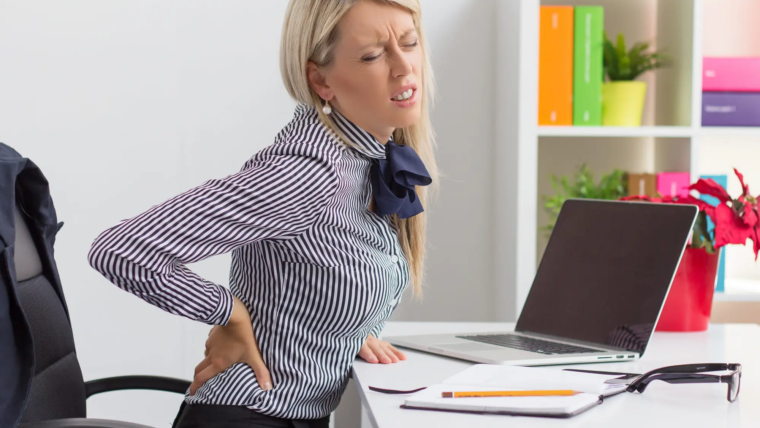
Back and neck discomfort are frequent reasons people seek rehabilitation. Extended sitting, repetitive lifting, poor movement habits, and muscular imbalances can contribute to these problems. A suitable physical therapy program may include posture education, mobility exercises, and strengthening activities that support the surrounding muscles.
Knee, hip, and shoulder conditions can also interfere with daily movement. These joints play essential roles in walking, reaching, bending, and maintaining balance. Rehabilitation may help individuals improve joint flexibility, strengthen supporting muscles, and practice safer movement techniques.
Other concerns that may require orthopedic rehabilitation include:
-
Sports-related muscle strains, ligament injuries, and joint sprains.
-
Post-surgical stiffness, weakness, and reduced physical function.
-
Tendon irritation and repetitive movement injuries.
-
Balance difficulties and limitations in everyday mobility.
-
Muscle weakness associated with prolonged inactivity.
The appropriate treatment depends on the diagnosis, medical history, and individual needs. A qualified healthcare professional can determine whether physical therapy is suitable and recommend an appropriate course of care.
The Role of Personalized Treatment Plans in Physical Recovery
Every individual experiences physical discomfort differently. Two people with similar injuries may have different activity levels, mobility limitations, and rehabilitation goals. For this reason, personalized treatment planning is an important part of effective orthopedic care.
An individualized approach generally begins with understanding the person’s symptoms, physical limitations, and daily activities. A rehabilitation professional may assess joint movement, muscle strength, flexibility, balance, and functional abilities. This information helps establish realistic objectives and identify exercises that are appropriate for the individual’s condition.
PTBY Art highlights the value of rehabilitation strategies that consider the complete movement experience rather than concentrating on a single symptom. Improving physical function may involve several connected elements, including muscular strength, coordination, joint stability, and movement awareness.
As an individual progresses, exercises and activities may be adjusted to reflect improvements or changing needs. Some people may initially require gentle mobility exercises, while others may be ready for more challenging strengthening activities. Gradual progression helps ensure that rehabilitation remains appropriate and manageable throughout the recovery process.
Building Strength and Flexibility Through Guided Exercises
Strength and flexibility are essential components of healthy movement. Muscles provide support for joints, help maintain posture, and allow the body to perform physical activities. When muscles become weak or tight, certain movements may require additional effort and place unnecessary stress on surrounding structures.
Therapeutic strengthening exercises are commonly used to improve muscular performance. Depending on the individual’s condition, these activities may target the core, legs, shoulders, hips, or other areas involved in daily movement. Exercises can begin with simple bodyweight movements before progressing to resistance-based activities when appropriate.
Flexibility training also plays an important role. Gentle stretching and controlled mobility exercises can help improve the available range of motion. Better flexibility may make activities such as reaching, bending, turning, and walking easier to perform.
A balanced rehabilitation program combines different forms of exercise according to the person’s abilities. The purpose is not simply to increase physical effort but to develop controlled, efficient movement. Correct technique, suitable intensity, and gradual progression are important considerations throughout this process.
Why Professional Guidance Matters During Rehabilitation
Although general exercise can support physical wellness, recovering from an injury or managing a musculoskeletal condition may require more specialized guidance. Performing unsuitable exercises or increasing activity too quickly can aggravate existing symptoms. Professional assessment helps individuals understand which movements are appropriate for their circumstances.
A physical therapy professional can explain proper exercise techniques, monitor movement quality, and recommend modifications when necessary. This guidance is particularly important for individuals recovering after surgery or dealing with persistent joint and muscle problems.
Education is another valuable part of the rehabilitation process. Individuals may learn how to adjust their posture, manage physical activity, and avoid movement patterns that place unnecessary stress on affected areas. These practical lessons can be applied at home, during work, and while participating in recreational activities.
For people researching Orthopedic Physical Therapy Ashburn, it is useful to consider the importance of qualified professionals, individualized treatment recommendations, and clear communication. Understanding the rehabilitation process can help patients participate more confidently in decisions about their care.
Improving Everyday Activities With Better Movement Habits
Physical recovery is not limited to exercise sessions. The way individuals move throughout the day can influence their comfort, mobility, and overall physical performance. Developing healthier movement habits can complement rehabilitation and support long-term physical wellness.
For example, maintaining an appropriate sitting position may help reduce unnecessary strain during extended periods of desk work. Using proper lifting techniques can also reduce excessive pressure on the back and other supporting structures. Taking regular movement breaks may be beneficial for individuals who spend much of their day sitting.
Walking, gentle stretching, and suitable strengthening exercises can also contribute to an active routine. However, people recovering from injuries should follow professional recommendations before introducing new activities or increasing exercise intensity.
Small adjustments can make everyday movements more manageable. Paying attention to posture, avoiding sudden increases in physical activity, and allowing sufficient recovery time are practical ways to support a balanced approach to physical health.
Supporting Long-Term Physical Wellness With PTBY Art
Long-term physical wellness involves more than addressing discomfort when it appears. Maintaining mobility, developing muscular strength, and practicing healthy movement habits can help individuals remain active as their needs change over time. A consistent approach to physical conditioning can also support confidence when returning to hobbies, exercise, and everyday responsibilities.
PTBY Art recognizes the value of understanding rehabilitation as an ongoing process. Physical improvements may develop gradually, and individuals can benefit from setting achievable goals rather than expecting immediate results. Celebrating smaller milestones, such as improved flexibility or greater ease when climbing stairs, can provide encouragement throughout the journey.
It is also important to recognize that recovery is not identical for everyone. Age, activity level, injury severity, medical history, and personal goals can influence rehabilitation progress. Following professional advice and communicating changes in symptoms helps ensure that exercise activities remain appropriate.
People exploring orthopedic rehabilitation in Ashburn should look for information about treatment approaches, professional qualifications, patient education, and the types of musculoskeletal concerns addressed. Making informed choices can help individuals identify care options that align with their physical needs.
Choosing the Right Approach to Orthopedic Physical Therapy Ashburn
Selecting an appropriate rehabilitation approach requires consideration of several factors. Individuals should understand their condition, discuss their recovery objectives with a qualified healthcare professional, and identify the types of support that may be beneficial. A clear understanding of the treatment process can make rehabilitation feel more organized and manageable.
When researching Orthopedic Physical Therapy Ashburn, patients may want to consider whether a provider offers individualized assessments, progressive exercise programs, mobility training, and guidance for everyday activities. Communication is equally important because individuals should feel comfortable discussing their concerns and asking questions about their rehabilitation plan.
It can also be helpful to understand how progress is evaluated. Improvements may involve increased joint movement, better muscular endurance, improved balance, or greater ability to complete routine tasks. These functional milestones provide a more meaningful picture of recovery than focusing on a single measurement.
PTBY Art encourages an informed perspective on physical wellness, where appropriate professional guidance, realistic expectations, and consistent participation all contribute to the rehabilitation experience.
Conclusion: Move Toward Better Physical Wellness With PTBY Art
Maintaining mobility and physical strength is important for enjoying an active and independent lifestyle. Musculoskeletal injuries, joint stiffness, muscle weakness, and movement limitations can create challenges, but appropriate rehabilitation may help individuals improve their physical abilities and manage everyday activities more effectively.
Through education, guided exercises, flexibility training, and personalized treatment strategies, orthopedic rehabilitation addresses important aspects of movement and physical function. Individuals can benefit from understanding their conditions, following suitable professional recommendations, and developing healthier habits that support continued progress.
PTBY Art highlights the importance of informed decisions and a consistent approach to physical wellness. For those exploring Orthopedic Physical Therapy Ashburn, learning about available rehabilitation methods is a positive starting point toward better mobility, improved strength, and greater confidence in everyday movement.