
Learn how broken garage door spring repair in Marietta, GA, restores safe door operation and why professional inspection matters.
A garage door is one of the largest moving systems in a home. It provides convenient access, helps protect vehicles and belongings, and contributes to everyday security. However, when a garage door spring breaks, the entire system can become difficult or impossible to operate. Homeowners in Marietta, GA, may notice that their garage door suddenly feels unusually heavy, stops moving correctly, or makes a loud snapping sound.
Garage door springs play an essential role in lifting and lowering the door. They support much of its weight and help the opener move it smoothly. When a spring becomes damaged or reaches the end of its useful life, the door may become unsafe to operate.
Serenity Garages provides garage door repair solutions for homeowners who need help addressing spring-related problems. Understanding the warning signs of a broken spring, the importance of professional repairs, and the value of routine inspections can help homeowners make informed decisions.
Understanding How Garage Door Springs Work
Garage door springs are designed to counterbalance the weight of the door. Without this support, the garage door opener would have to handle a much heavier load.
Most residential garage doors use one of two common spring systems: torsion springs or extension springs.
Torsion Springs
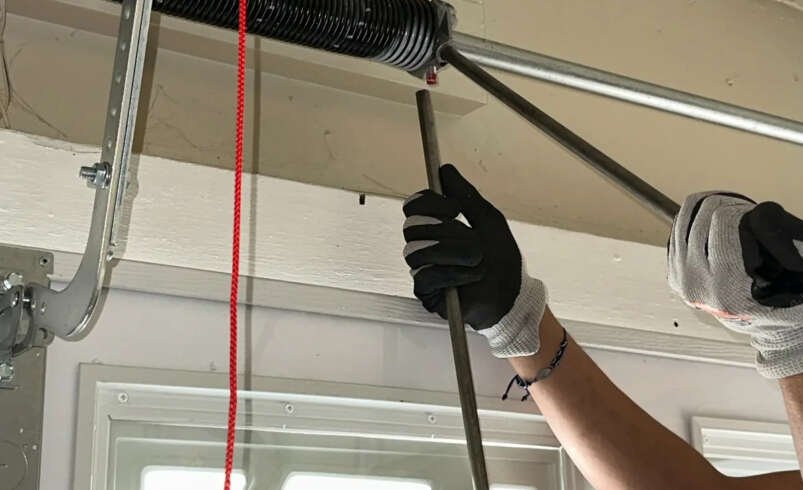
Torsion springs are generally installed above the garage door opening on a metal shaft. They store mechanical energy as the door moves and release that energy to help lift the door.
These springs operate under significant tension. Their condition is important because a damaged torsion spring can affect the balance and movement of the entire door.
Extension Springs
Extension springs are commonly positioned along the sides of the garage door tracks. They stretch and contract as the door opens and closes.
Like torsion springs, extension springs help counterbalance the door’s weight. Their condition and supporting hardware should be inspected regularly to identify signs of wear or damage.
Although these systems work differently, both require proper installation and maintenance to function safely.
Common Signs of a Broken Garage Door Spring
A broken spring does not always produce the same symptoms. Some problems are immediately noticeable, while others develop gradually.
Recognizing warning signs can help prevent further damage to the garage door system.
1. The Garage Door Will Not Open
One of the most common signs is a door that refuses to open. The opener may make noise, but the door may remain closed or move only a short distance.
This can happen because the spring is no longer providing the support needed to lift the door.
2. A Loud Snapping Sound
A broken spring may produce a loud sound that resembles a firecracker or a heavy object snapping. Homeowners sometimes hear this noise while the garage door is closed.
If this happens, avoid operating the door until the spring system has been inspected.
3. The Door Feels Extremely Heavy
Garage door springs help support the door’s weight. When a spring breaks, the door can become much heavier than normal.
Do not attempt to lift a heavy garage door manually. Its weight and unstable movement can create a serious safety risk.
4. The Door Opens Unevenly
A garage door that appears crooked or uneven may have a spring problem. In systems with multiple springs, damage to one spring can affect the balance of the door.
Uneven movement can also indicate issues with cables, rollers, tracks, or other components, so a proper inspection is important.
5. A Visible Gap in the Spring
A torsion spring may show a noticeable gap when it breaks. This is one possible visual indication of spring damage.
However, homeowners should not touch the spring or attempt to examine it closely. The system may still contain dangerous tension.
6. The Garage Door Opener Struggles
When a spring stops supporting the door properly, the opener may struggle to move it. It may stop unexpectedly, make unusual noises, or fail to complete an opening cycle.
Continuing to operate the opener under these conditions can place additional strain on the equipment.
Why Garage Door Springs Break
Garage door springs are mechanical components that experience repeated stress. Every opening and closing cycle requires them to handle changes in tension and movement.
Several factors can contribute to spring failure.
Normal Wear and Tear
Springs gradually experience wear as they complete repeated operating cycles. Over time, their ability to function reliably may decline.
A spring that has been used for many years may eventually require professional repair or replacement.
Lack of Maintenance
Garage door systems contain several moving components. If problems such as unusual friction, poor alignment, or worn hardware are not addressed, the system may experience unnecessary strain.
Routine inspections can help identify developing issues before they cause more significant problems.
Corrosion and Environmental Conditions
Moisture and other environmental factors can contribute to corrosion. Rust may affect the spring’s condition and potentially reduce its reliability.
Keeping the garage area reasonably clean and arranging inspections when corrosion becomes noticeable can help homeowners address concerns earlier.
Incorrect Spring Selection
Garage door springs must be suitable for the door’s weight and design. An incorrectly selected spring may not provide the required counterbalance.
This is why spring selection should be based on the garage door system’s specifications rather than guesswork.
Poor Installation
Improper installation can affect spring performance and overall door balance. Garage door springs operate under substantial tension, so installation requires appropriate tools, knowledge, and safety procedures.
Why Professional Spring Repair Matters
A broken garage door spring is not a suitable do-it-yourself repair. Springs store significant mechanical energy, and incorrect handling can cause serious injuries.
Professional technicians understand how spring systems interact with the garage door, cables, tracks, rollers, and opener.
For homeowners seeking Broken Garage Door Spring Repair in Marietta, GA, a professional inspection can help identify the actual source of the problem and determine the appropriate repair.
A typical professional repair assessment may involve:
- Inspecting the spring system for visible damage.
- Checking the garage door’s overall balance.
- Reviewing cables and related hardware.
- Examining the tracks and rollers.
- Checking the opener for signs of strain.
- Determining whether repair or replacement is appropriate.
- Testing the system after the necessary work is completed.
The exact work required depends on the garage door’s design, condition, and the nature of the damage.
Why You Should Not Operate a Garage Door With a Broken Spring
It may be tempting to continue using the garage door when the opener still makes an attempt to move it. However, operating a door with a broken spring can create additional problems.
The opener is designed to work with a properly balanced door. When spring support is lost, the opener may experience excessive strain.
Other potential concerns include:
- Unexpected door movement.
- Additional stress on cables and hardware.
- Damage to the garage door opener.
- Uneven movement through the tracks.
- Increased risk of injury or property damage.
If you suspect a broken spring, stop using the door and arrange a professional inspection.
Avoid pulling emergency release mechanisms unless you have been advised by a qualified technician. Disconnecting an opener from an unbalanced door can create additional hazards.
Garage Door Spring Replacement and Related Components
Sometimes a spring can no longer provide reliable support and must be replaced. The correct replacement depends on the garage door’s weight, dimensions, spring system, and manufacturer specifications.
For homeowners considering Garage Door Spring Replacement in Marietta, GA, selecting the correct spring is an important part of restoring proper operation.
A technician may also inspect related components because spring problems can affect other parts of the system.
Cables
Garage door cables work with the spring system to support controlled door movement. Damaged or worn cables should be addressed as part of the overall inspection.
Rollers
Rollers help guide the door along its tracks. Worn rollers may contribute to noisy or uneven movement.
Tracks
Tracks guide the door as it opens and closes. Their alignment and condition can affect the door’s operation.
Garage Door Opener
The opener should be checked for signs of strain, especially if it has been used while the door was not properly balanced.
Addressing related issues can help support smoother operation after spring work is completed.
How Routine Maintenance Can Help
Although springs eventually experience wear, regular maintenance can help homeowners identify potential problems earlier.
A professional inspection can evaluate the condition of the springs and other important components.
Homeowners can also pay attention to changes in the door’s normal operation.
Consider the following maintenance practices:
- Listen for unusual noises during operation.
- Watch for uneven movement.
- Pay attention to changes in opening and closing speed.
- Keep the garage door tracks clear of visible obstructions.
- Arrange professional inspections when unusual symptoms appear.
- Avoid using the door if it appears damaged or unbalanced.
Do not attempt to lubricate, adjust, or tighten high-tension spring components yourself. Follow the manufacturer’s maintenance guidance and leave spring-related work to qualified professionals.
Choosing a Garage Door Repair Company
When a garage door spring breaks, selecting a suitable repair provider is important. Homeowners should look for a company that understands different spring systems and can evaluate the complete garage door assembly.
Before arranging service, consider these points:
Experience With Spring Systems
A repair provider should understand torsion and extension spring systems and know how to identify related problems.
Clear Repair Recommendations
The technician should explain the issue and describe the recommended work in understandable terms.
Appropriate Parts
Replacement components should match the requirements of the garage door system.
Safety-Focused Work
Spring repair requires appropriate equipment and careful procedures. Safety should remain a priority throughout the process.
Complete System Inspection
A spring problem may affect other components. Reviewing the entire system can help identify additional concerns.
Why Choose Serenity Garages?
A broken garage door spring can interrupt daily routines and prevent homeowners from using their garage safely. Getting the problem inspected promptly can help determine what needs attention.
Serenity Garages offers garage door repair solutions for homeowners who need assistance with damaged springs and related garage door issues.
Whether your garage door has stopped opening, appears uneven, or has started making unusual noises, arranging a professional assessment is a sensible next step.
Homeowners in Marietta can discuss their garage door concerns, explain the symptoms they have noticed, and learn what repair options may be suitable for their system.
The goal should be to restore reliable movement while making sure the spring system and related components are functioning appropriately.
Conclusion
Garage door springs play a critical role in the safe and convenient operation of a garage door. When a spring breaks, the door may become heavy, unbalanced, or difficult to operate. Continuing to use the system can create additional strain and increase safety risks.
Recognizing warning signs such as loud snapping sounds, uneven movement, and an opener that struggles can help homeowners respond appropriately. Professional inspection and repair are important because garage door springs operate under substantial tension.
For homeowners in Marietta, GA, Serenity Garages provides garage door repair solutions to help address spring-related problems. With proper inspection, suitable replacement components when needed, and attention to the complete garage door system, homeowners can work toward restoring dependable garage door operation.
Frequently Asked Questions
How do I know if my garage door spring is broken?
Common signs include a loud snapping sound, a garage door that will not open, uneven movement, a visible gap in a torsion spring, or an opener that struggles to lift the door.
Can I open my garage door manually if the spring is broken?
It is not recommended. A broken spring can leave the door extremely heavy and difficult to control. Avoid lifting it manually and arrange a professional inspection.
How long does garage door spring repair take?
The time depends on the spring system, the condition of the garage door, and whether other components need attention. A technician can provide a more accurate estimate after inspecting the system.
Should both garage door springs be replaced together?
It depends on the system and the condition of each spring. If two springs are used, a technician can evaluate their age, wear, and compatibility before recommending whether both should be replaced.
How can I help prevent garage door spring problems?
Regular professional inspections, attention to unusual noises, and addressing operational changes early can help identify wear and other problems. Avoid adjusting high-tension spring components yourself.