
Introduction
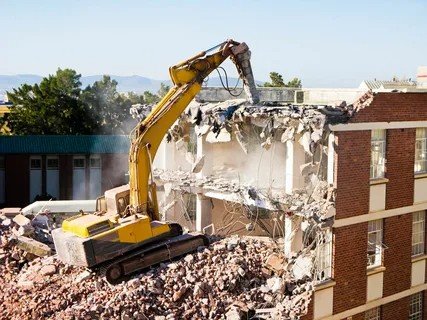
Removing an old structure, clearing a damaged building, or preparing a property for renovation requires careful planning and the right equipment. Demolition is more than knocking down walls or removing unwanted structures. It involves evaluating the site, identifying potential hazards, managing debris, and making sure the property is ready for its next purpose. Property owners looking for Demolition Services in Bradenton, FL, should understand the different types of demolition work, safety requirements, and cleanup options available before starting a project.
Whether the job involves a residential property, commercial building, garage, concrete structure, or interior renovation, professional demolition services can make the process more organized and efficient. Proper planning also helps prevent unnecessary delays, property damage, and disposal problems.
Understanding Different Types of Demolition Services
Demolition requirements vary depending on the structure, its condition, and the purpose of the project. Choosing the right approach helps ensure that unwanted materials are removed without affecting surrounding areas.
Residential Demolition
Residential demolition involves removing houses, garages, sheds, and other structures on private properties. Homeowners may need these services when replacing an outdated building, rebuilding after storm damage, or preparing land for new construction.
Before demolition begins, the structure should be inspected to identify electrical connections, plumbing lines, hazardous materials, and nearby property features. A professional demolition contractor can evaluate the site and determine the appropriate equipment and removal process.
Commercial Demolition
Commercial demolition is commonly required for office buildings, retail spaces, warehouses, restaurants, and other business properties. These projects may involve larger structures, heavier materials, and additional site management requirements.
Depending on the project, demolition may be completed in sections to limit disruption to surrounding businesses and properties. Contractors must also consider access routes, debris handling, and applicable local regulations.
Interior Demolition
Not every renovation requires removing an entire building. Interior demolition focuses on removing selected components, including drywall, flooring, cabinets, ceilings, fixtures, and non-structural partitions.
This approach is useful for property owners who want to redesign kitchens, bathrooms, offices, or commercial interiors while keeping the main structure intact. Proper assessment is important before removing walls or other building components to avoid damaging structural elements.
Why Professional Demolition Services Matter in Bradenton, FL
Bradenton properties can include older residential buildings, commercial spaces, and structures affected by Florida’s heat, humidity, heavy rainfall, and severe storms. These conditions can contribute to building deterioration, moisture damage, and structural concerns over time.
Professional demolition services help property owners address these challenges through proper site evaluation, controlled removal, and organized debris management. Experienced contractors understand how to plan demolition activities around neighboring buildings, driveways, landscaping, and utility connections.
Hiring qualified professionals also reduces the risks associated with handling heavy materials, operating demolition machinery, and removing potentially hazardous building components.
The Importance of Trash Removal in Bradenton, FL
Demolition projects produce considerable amounts of waste, including concrete, wood, drywall, roofing materials, metal, insulation, and other construction debris. Leaving these materials scattered across a property can create safety concerns and interfere with upcoming construction or landscaping work.
Reliable Trash Removal in Bradenton, FL, helps homeowners, contractors, and commercial property managers keep their sites clean and organized. Timely waste collection makes it easier to move equipment, inspect the property, and prepare the area for its next stage.
Construction and Demolition Debris Removal
Construction and demolition debris requires proper handling because different materials may need separate disposal or recycling. Concrete, metal, untreated wood, and certain other materials may be suitable for recovery through approved facilities.
Professional debris removal helps separate materials when appropriate and ensures waste is transported to suitable disposal or recycling locations.
Residential Junk and Trash Removal
Home improvement projects, property cleanouts, and building renovations often leave behind unwanted furniture, appliances, household items, and general waste. Residential trash removal helps homeowners clear garages, basements, yards, and other spaces without allowing unwanted materials to accumulate.
Commercial Property Cleanup
Businesses may require regular or one-time trash removal when renovating offices, clearing storage areas, replacing fixtures, or preparing commercial properties for new occupants. Organized waste collection helps maintain a cleaner working environment and keeps unnecessary materials away from employees and visitors.
Steps Involved in a Demolition Project
Understanding the demolition process can help property owners prepare for the work and communicate more effectively with contractors.
1. Initial Property Inspection
The first step involves examining the structure, identifying the materials involved, and assessing surrounding conditions. Contractors may evaluate access points, utility connections, structural stability, and potential hazards.
2. Permits and Safety Preparation
Depending on the type and location of the project, demolition permits and other approvals may be required. Utility disconnections, site protection, and hazardous material assessments should be addressed before work begins.
3. Controlled Demolition Work
Once the site is prepared, the demolition team follows an appropriate removal plan. Equipment and techniques depend on the building size, construction materials, and surrounding conditions.
4. Debris Collection and Disposal
After demolition, waste materials are collected, sorted when appropriate, and transported for approved disposal or recycling. Proper debris management prevents leftover materials from interfering with future work.
5. Final Site Cleanup
The final stage involves removing remaining debris and checking the property. Depending on the agreement, site preparation may include grading or other work needed before construction begins.
Safety Considerations During Demolition
Demolition involves risks that should never be overlooked. Falling materials, unstable walls, exposed wiring, dust, and heavy machinery can create dangerous conditions for untrained individuals.
Professional contractors use suitable protective equipment, controlled work areas, and appropriate machinery to reduce these risks. Asbestos, lead-based paint, and other hazardous materials may require specialized inspection and licensed handling before demolition proceeds.
Property owners should also keep children, pets, and unauthorized visitors away from active demolition areas. Any suspected structural or environmental hazard should be evaluated before work continues.
How to Choose the Right Demolition Contractor
Selecting a reliable contractor is an important part of any demolition project. Before making a decision, property owners in Bradenton should consider several factors.
- Experience: Look for contractors familiar with the type of residential or commercial demolition required.
- Licensing and insurance: Verify applicable Florida licensing, permits, and insurance coverage.
- Safety practices: Ask about worker protection, equipment, site preparation, and hazardous material procedures.
- Waste management: Confirm how demolition debris and unwanted materials will be collected and disposed of.
- Written estimates: Request a detailed quote outlining labor, equipment, cleanup, disposal, and any additional charges.
Clear communication from the beginning helps property owners understand the project timeline, expected costs, and responsibilities.
Preparing Your Property for Future Construction
Once demolition and cleanup are complete, the property can move toward its next stage. A cleared site gives builders, contractors, and property owners a better opportunity to assess the available space and plan future improvements.
Some projects may require additional grading, soil evaluation, utility work, or inspections before construction starts. Coordinating demolition and trash removal with the next phase can help reduce unnecessary delays and repeated cleanup expenses.
Conclusion
Successful demolition requires more than removing an unwanted structure. It involves careful planning, appropriate equipment, safe work practices, and responsible debris management. From residential and commercial building removal to interior demolition and property cleanup, professional services help prepare properties for renovation, redevelopment, or new construction.
Property owners searching for Demolition Services in Bradenton, FL, should choose experienced contractors who understand local project requirements and prioritize site safety. Combining reliable demolition work with professional Trash Removal in Bradenton, FL, also helps keep properties organized, clear unwanted materials, and create a suitable foundation for future improvements.