
The eyes are one of the most noticeable features of the face. They play an important role in facial expression and overall appearance. However, as people age, the skin around the upper eyelids can gradually lose its firmness and elasticity. This may lead to loose skin, wrinkles, puffiness, and a tired-looking appearance. For some individuals, excess upper eyelid skin can also interfere with their field of vision.
Upper blepharoplasty is a surgical procedure designed to remove or reposition excess skin and, when necessary, adjust fat around the upper eyelids. It can help create a more refreshed appearance while maintaining the natural shape of the eyes.
Choosing the right surgeon is one of the most important steps before considering this procedure. Patients should understand the surgeon’s qualifications, surgical experience, treatment approach, and safety standards.
At Bodyvie Clinic, patients can explore eyelid surgery options and learn about the factors involved in treatment planning. Understanding the procedure and knowing what to look for in a surgeon can help individuals make confident and informed decisions.
Why Choose Upper Blepharoplasty in London for Droopy Upper Eyelids?
Upper Blepharoplasty in London is an option for individuals who want to address excess skin around their upper eyelids. The procedure is commonly considered by people experiencing age-related changes or naturally heavy upper eyelids.
As the skin loses elasticity, it may begin to fold over the natural eyelid crease. This can make the eyes appear smaller, heavier, or less defined.
Common Reasons for Considering Upper Eyelid Surgery
People may consider upper blepharoplasty for several reasons:
- Excess upper eyelid skin: Loose skin can create folds that affect the appearance of the eyes.
- Drooping eyelids: The upper eyelid area may look heavy because of excess skin or changes in eyelid support.
- Tired-looking eyes: Extra skin and puffiness can make someone appear tired even when they feel rested.
- Age-related changes: Natural ageing can affect skin elasticity and the distribution of fat around the eyes.
- Visual obstruction: In some cases, excess upper eyelid skin can interfere with the upper field of vision.
Not everyone with droopy eyelids needs the same procedure. A professional assessment is important to identify whether excess skin, a low eyebrow position, or true eyelid muscle drooping is responsible for the concern.
How to Find the Best Surgeon for Upper Blepharoplasty in London
Choosing a surgeon requires careful research. Since upper eyelid surgery involves a delicate area around the eyes, patients should prioritise medical qualifications, relevant surgical experience, and patient safety.
Check the Surgeon’s Qualifications and Registration
One of the first steps is to check whether the surgeon has appropriate medical qualifications and specialist training.
Patients in London should verify the surgeon’s registration with the General Medical Council (GMC). They should also check whether the surgeon has relevant experience in plastic surgery, ophthalmic plastic surgery, or eyelid procedures.
A qualified surgeon should be able to explain the procedure, possible risks, expected results, and available alternatives.
Look for Experience in Upper Eyelid Surgery
Experience is an important consideration when selecting a surgeon for Upper Blepharoplasty in London.
Upper eyelid surgery requires an understanding of eyelid anatomy, skin elasticity, muscle function, and fat distribution. A surgeon should be familiar with different eyelid shapes and know how to plan treatment according to individual facial features.
Patients should ask:
- How frequently does the surgeon perform upper blepharoplasty?
- What surgical techniques are used?
- How are individual eyelid differences assessed?
- What complications can occur?
- What results can realistically be expected?
At Bodyvie Clinic, patients can discuss their concerns and learn about the assessment and treatment-planning process.
What to Look for When Choosing the Best Upper Blepharoplasty in London
Finding the Best Upper Blepharoplasty in London involves more than selecting a clinic based on advertisements or prices. Patients should evaluate the complete treatment experience, including consultation, surgical care, and postoperative support.
Review Before-and-After Photographs
Before-and-after photographs can help patients understand the types of changes that may be possible after surgery.
When reviewing photographs, consider:
- Whether the results look natural.
- Whether the natural eyelid crease is maintained.
- Whether both eyes appear balanced.
- Whether the results suit the patient’s facial features.
- Whether photographs show patients with similar concerns.
It is also important to remember that individual results vary. Photographs should support a consultation rather than guarantee a particular outcome.
Understand the Surgeon’s Surgical Approach
A good surgeon should explain how much skin may need to be removed and whether any fat adjustment is necessary.
The goal should be to remove or reposition an appropriate amount of tissue without creating an unnatural appearance or affecting normal eyelid function.
Excessive skin removal can lead to problems such as difficulty closing the eyes. This is why careful surgical planning is essential.
Understanding Upper Blepharoplasty Surgery at Bodyvie Clinic
Upper blepharoplasty is generally performed to improve the appearance and, in selected cases, function of the upper eyelids.
How the Procedure Is Performed
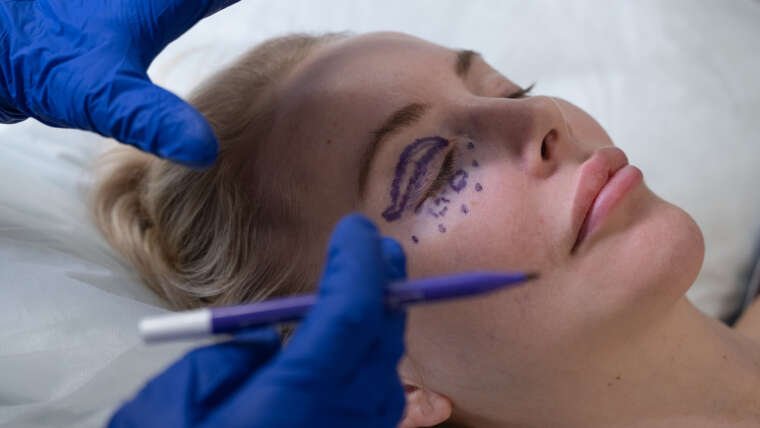
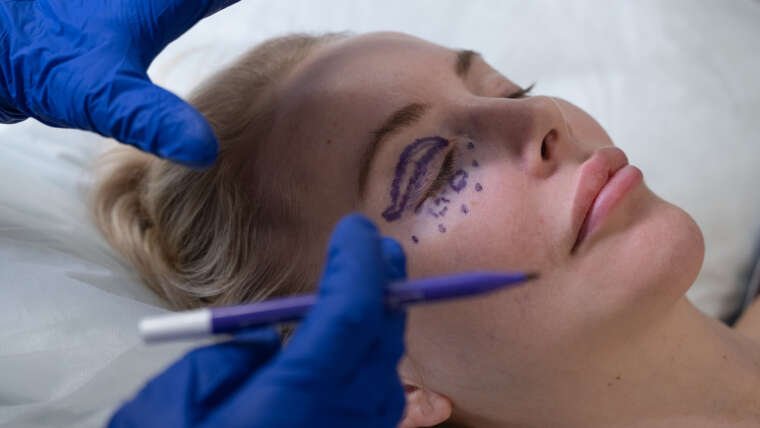
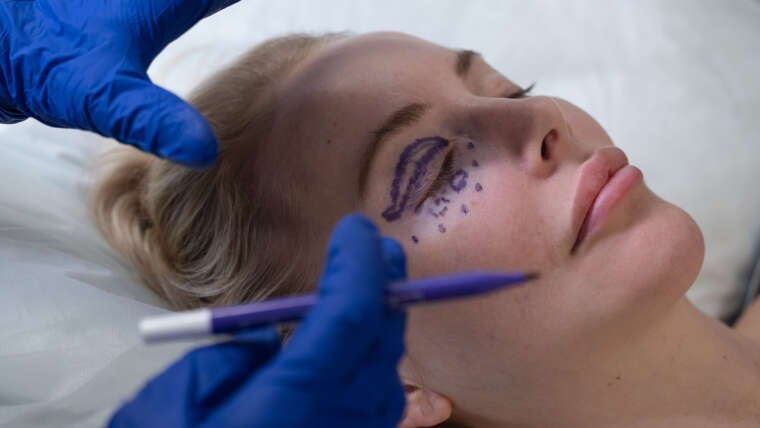
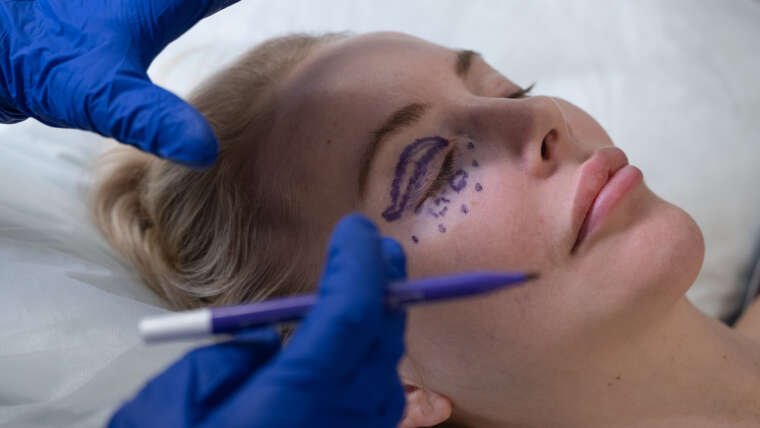
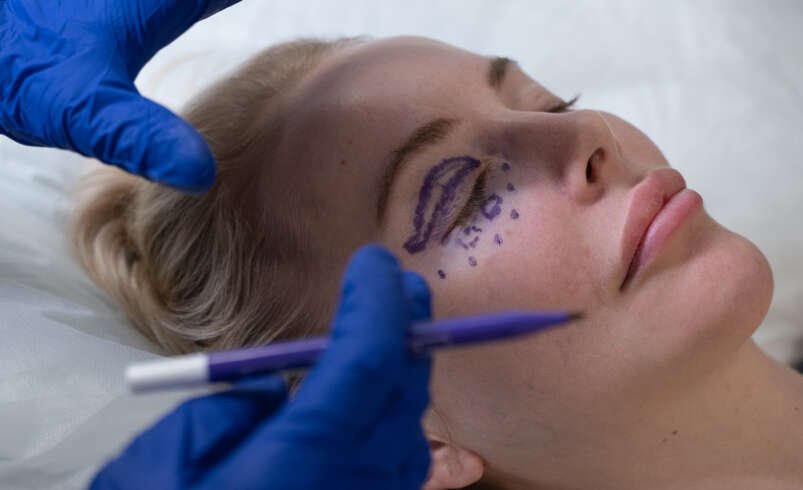
The procedure usually begins with a detailed assessment of the upper eyelids. The surgeon identifies the natural eyelid crease and determines how much excess skin needs to be addressed.
A small incision is generally made within the natural crease of the upper eyelid. Through this incision, excess skin may be removed, and selected fat or other tissue may be adjusted when appropriate.
The incision is then carefully closed with sutures.
Depending on the patient’s needs and the surgeon’s recommendation, the procedure may be performed under local anaesthesia, sometimes with sedation.
How Long Does Upper Blepharoplasty Take?
The procedure commonly takes around 45 minutes to 90 minutes, depending on its complexity and whether additional treatment is required.
Most patients can return home on the same day, provided their recovery and medical condition allow it.
At Bodyvie Clinic, patients should discuss the surgical steps, anaesthesia options, and recovery arrangements during their consultation.
What Factors Affect Upper Blepharoplasty Cost in London?
Understanding the treatment price is another important part of choosing a surgeon. The Upper Blepharoplasty cost in London can vary depending on the surgeon, clinic facilities, surgical complexity, and the type of care provided.
Main Factors That Influence the Cost
Several factors may affect the overall price:
- Surgeon’s Qualifications and Experience
A surgeon’s specialist training, experience, and expertise may influence the procedure’s cost.
- Surgical Complexity
Patients with mild excess skin may require a different approach from those with significant skin folds or additional eyelid concerns.
- Anaesthesia Requirements
The type of anaesthesia and the involvement of an anaesthetic professional may affect the overall price.
- Clinic and Surgical Facilities
The facilities used for surgery, medical equipment, and clinical support can contribute to the cost.
- Aftercare and Follow-Up Appointments
Postoperative reviews, dressing care, and additional medical support may be included in the treatment package or charged separately.
What Should Be Included in the Treatment Quote?
Before booking surgery, patients should request a clear written price breakdown.
They should ask whether the quote includes:
- Initial consultation.
- Surgeon’s fees.
- Anaesthesia.
- Surgical facility charges.
- Postoperative appointments.
- Medication and dressings.
- Management of potential complications.
At Bodyvie Clinic, patients can ask about the treatment process and the costs involved before making a decision.
How to Prepare for Upper Blepharoplasty Surgery
Preparation is important for a safe and organised surgical experience. Before the procedure, the surgeon will review the patient’s medical history and assess the condition of the eyelids.
Important Steps Before Surgery
Patients may be advised to:
- Share their complete medical history.
- Discuss all medications and supplements.
- Mention any allergies or previous eye conditions.
- Stop smoking for the period recommended by their surgeon.
- Follow instructions about medications that affect bleeding.
- Arrange transport home after surgery.
- Prepare a comfortable place to rest during recovery.
Patients should never stop prescribed medication without medical advice.
Discuss Your Expectations With the Surgeon
A consultation is an opportunity to explain what concerns you most about your upper eyelids.
Some patients want to reduce excess skin, while others want a more defined eyelid crease or improvement in their field of vision.
The surgeon should explain what surgery can realistically achieve and whether additional procedures, such as a brow lift or ptosis repair, may be more appropriate.
Recovery After Upper Blepharoplasty in London
Recovery is an important part of the surgical process. Most patients experience temporary swelling, bruising, and mild discomfort around the eyes.
The initial healing period generally takes one to two weeks, although complete healing and scar maturation take longer.
What to Expect During the First Few Days
During the first few days, patients may experience:
- Swelling around the upper eyelids.
- Mild bruising.
- Temporary tightness.
- Watery or dry eyes.
- Sensitivity to light.
- Mild discomfort.
Cold compresses may be recommended by the surgeon to help manage swelling.
Tips for a Comfortable Recovery
Following postoperative instructions can support healing.
Patients should:
- Keep the surgical area clean.
- Avoid rubbing or putting pressure on the eyes.
- Sleep with the head slightly elevated if advised.
- Avoid strenuous exercise during early recovery.
- Protect the eyes from direct sunlight.
- Attend all follow-up appointments.
- Use prescribed eye drops or medication as directed.
Any sudden vision changes, severe pain, increasing redness, or significant swelling should be treated as urgent and assessed immediately.
What Results Can You Expect From Upper Eyelid Surgery?
Upper blepharoplasty can help create a more open and refreshed appearance by addressing excess skin and selected tissue around the upper eyelids.
Achieving Natural-Looking Results
The aim of surgery is not to change the patient’s natural identity or eye shape. Instead, it is to improve the upper eyelid area while maintaining facial balance.
Results may include:
- Reduced excess upper eyelid skin.
- A more defined eyelid crease.
- A less heavy appearance.
- Improved symmetry where possible.
- A fresher-looking eye area.
Final results become clearer as swelling settles and the tissues heal. Scars are generally positioned within the natural eyelid crease, where they can become less noticeable over time.
Possible Risks and Complications of Upper Blepharoplasty
Like any surgical procedure, upper blepharoplasty has potential risks. Patients should understand these before deciding to proceed.
Important Safety Considerations
Possible complications include:
- Bleeding and infection.
- Temporary or persistent dry eyes.
- Scarring.
- Uneven eyelid appearance.
- Difficulty closing the eyes.
- Changes in eyelid position.
- Rare vision-threatening complications.
Choosing an appropriately qualified surgeon, following medical instructions, and attending follow-up appointments can help support safe treatment and recovery.
Why Choose Bodyvie Clinic for Upper Blepharoplasty Consultation?
Choosing a suitable clinic is an important part of planning eyelid surgery. Patients should look for a professional environment where their concerns are assessed carefully and treatment recommendations are explained clearly.
Personalised Treatment Planning at Bodyvie Clinic
At Bodyvie Clinic, patients can explore their upper eyelid concerns and discuss whether surgery may be appropriate.
A detailed consultation should cover medical suitability, surgical techniques, expected results, potential risks, and recovery requirements.
Patients should also feel comfortable asking questions and requesting information about the surgeon who will perform their procedure.
Making an informed decision is more important than rushing into surgery.
Conclusion: Choose the Right Surgeon for Upper Blepharoplasty in London
Upper eyelid surgery can help address excess skin, heavy-looking eyelids, and certain vision-related concerns. However, choosing the right surgeon is essential for achieving suitable results while protecting eyelid function and eye health.
When researching Upper Blepharoplasty in London, patients should check specialist qualifications, surgical experience, patient reviews, before-and-after photographs, and clinic safety standards. Understanding the Upper Blepharoplasty cost in London is also important when comparing treatment options.
At Bodyvie Clinic, patients can discuss their concerns, understand the surgical process, and explore suitable treatment options. Taking time to research the Best Upper Blepharoplasty in London and attending a detailed consultation can help patients make a confident and informed decision about their eyelid surgery journey.