
Warehouses play an essential role in supply chains, storing valuable inventory, equipment, raw materials, and finished products. However, their large layouts, multiple access points, loading bays, and extended operating hours can create security challenges. Theft, unauthorised entry, vandalism, and workplace incidents can affect inventory, employees, and business continuity.
A reliable warehouse security strategy combines professional security personnel, modern technology, and effective risk management. By identifying vulnerabilities and implementing suitable protective measures, businesses can create safer and more controlled working environments.
Understanding Common Warehouse Security Risks
Warehouse facilities face different security threats depending on their location, size, stored goods, and daily activities. Some risks may occur during operating hours, while others become more difficult to detect after employees leave.
Common warehouse security concerns include:
- Unauthorised access: Visitors or intruders entering restricted areas without permission.
- Inventory theft: Valuable products, raw materials, and equipment being removed without approval.
- Vandalism: Damage to buildings, vehicles, machinery, or stored goods.
- Loading bay vulnerabilities: Poorly monitored delivery and dispatch areas creating opportunities for theft.
- Internal security issues: Inadequate access procedures or inventory controls increasing the risk of losses.
Recognising these challenges is the first step towards developing an effective security plan.
The Importance of Professional Warehouse Security
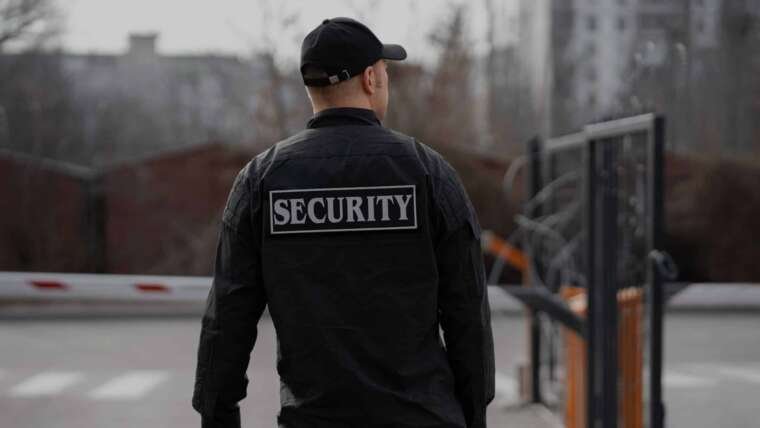
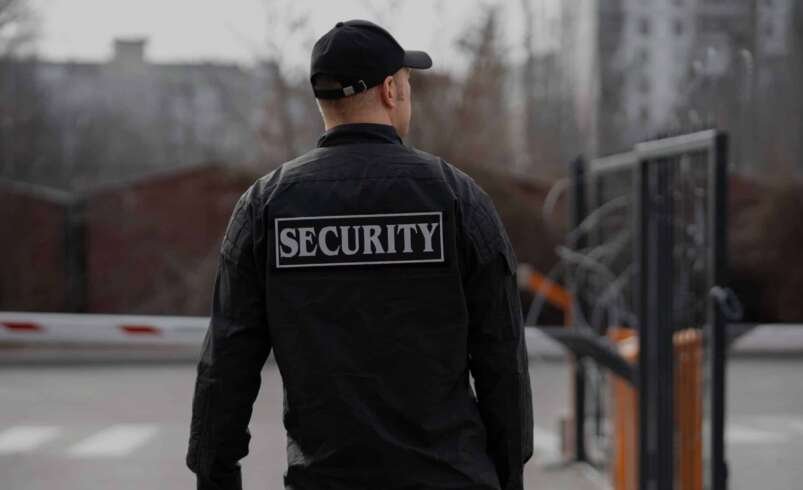
Professional Security Services for Warehouses help businesses protect their facilities through planned monitoring, access management, and security patrols. Security personnel can monitor entrances, verify visitor credentials, observe loading activities, and report suspicious behaviour.
A visible security presence can discourage unwanted activity while helping employees and authorised visitors feel more confident. Depending on operational requirements, warehouse security may include:
Entry and Exit Monitoring: Checking authorised access and maintaining visitor records helps businesses control who enters the premises.
Regular Security Patrols: Patrols across storage areas, parking spaces, loading bays, and perimeter boundaries can help identify unusual activity.
Loading and Dispatch Supervision: Monitoring delivery and collection procedures can reduce opportunities for unauthorised removal of goods.
Incident Reporting: Clear reporting procedures help management understand security concerns and take corrective action.
The level of security required depends on the warehouse environment, operating schedule, and value of stored assets.
Why Security Risk Assessments Matter
Installing security equipment without understanding the property’s vulnerabilities may leave important areas unprotected. A professional assessment helps businesses identify potential threats and prioritise improvements.
Security Risk Assessment Services Australia can support organisations in reviewing their existing security arrangements and identifying areas that require attention.
A typical assessment may consider:
- Site layout: Reviewing building access points, boundaries, storage areas, and surrounding conditions.
- Existing security measures: Evaluating CCTV cameras, alarm systems, lighting, and access control arrangements.
- Operational procedures: Examining visitor management, delivery processes, employee access, and emergency protocols.
- Potential vulnerabilities: Identifying areas where theft, trespassing, or other incidents may occur.
- Recommended improvements: Developing practical measures based on the property’s specific security requirements.
This process helps businesses make informed decisions instead of investing in unnecessary or unsuitable security measures.
Combining Security Personnel with Modern Technology
Technology can strengthen warehouse protection when integrated with professional security services. CCTV surveillance provides visibility across important areas, while alarm systems can alert relevant personnel to unusual activity.
Electronic access control can restrict entry to sensitive locations, such as inventory rooms, equipment storage areas, and administrative offices. Security guards can complement these systems by monitoring activities and responding according to established procedures.
A coordinated approach allows businesses to improve monitoring, maintain better records, and respond more effectively to security incidents.
Developing a Security Strategy That Supports Business Operations
Every warehouse has different operational requirements. A distribution centre operating around the clock may need different arrangements from a smaller storage facility with limited working hours.
Businesses should review their security needs regularly, especially when expanding facilities, changing inventory procedures, or introducing new equipment. Employee awareness, clear reporting channels, adequate lighting, and consistent access procedures also contribute to stronger protection.
Working with an experienced security provider can help organisations develop practical solutions that support both safety and productivity.
Conclusion
Warehouse security requires more than simply protecting doors and installing cameras. It involves understanding potential risks, controlling access, monitoring important areas, and establishing clear response procedures.
By investing in professional Security Services for Warehouses and considering Security Risk Assessment Services Australia, businesses can improve their security arrangements and protect valuable assets. A well-planned strategy helps create a safer workplace while supporting reliable day-to-day operations.