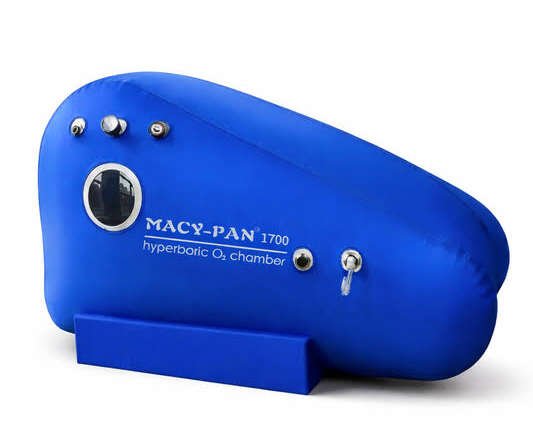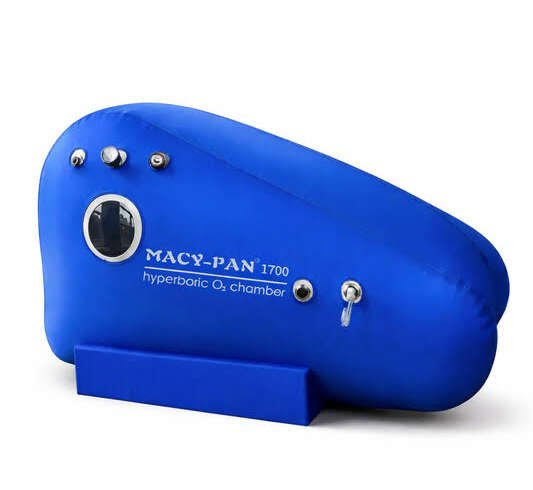

A portable hyperbaric oxygen chamber is designed to create a pressurized environment in an enclosed space, with certain models marketed as easier to transport or arrange than larger systems. Buyers may encounter soft-shell lying chambers, upright sitting designs, and rigid models. Each type can differ in construction, dimensions, pressure limits, operating requirements, and included accessories.
Warrior Willpower helps customers explore hyperbaric chamber options by reviewing product configurations and technical specifications. However, portability should never be the only factor in a purchasing decision. Understanding a chamber’s intended use, regulatory status, safety requirements, and manufacturer instructions is essential before considering any equipment. A chamber marketed for personal use should not automatically be assumed suitable for home operation or medical treatment.
What Is a Portable Hyperbaric Oxygen Chamber?
A hyperbaric chamber is an enclosed system designed to create pressure above normal atmospheric pressure. Clinical hyperbaric oxygen therapy involves specific medical equipment and treatment protocols, with patients receiving care under qualified professional supervision. Products marketed as portable chambers may have different designs and operating specifications, so they should not automatically be considered equivalent to clinical treatment systems.
The term portable generally refers to a product’s design or potential ease of movement, but it does not guarantee that the complete system is lightweight or simple to install. Supporting equipment, including compressors, hoses, controls, and other components, may need additional space. Buyers should review the manufacturer’s documentation to understand the actual dimensions, operating requirements, and intended application.
Common Types of Portable Hyperbaric Chambers
Soft-shell chambers are commonly marketed in portable configurations. They use flexible materials and may be designed for lying down or sitting upright. Depending on the model, features can include different entry arrangements, interior dimensions, pressure specifications, and supporting equipment. Construction and package contents vary, making it important to compare exact models rather than relying on general product descriptions.
Rigid chambers use a more solid structure and may have different engineering, installation, and maintenance requirements. Some systems are intended for specialized healthcare settings and require appropriately equipped facilities. Neither a flexible nor a rigid design should be selected based on appearance alone. The equipment’s intended use, regulatory status, and compliance with relevant safety standards all deserve careful attention.
Soft-Shell Portable Chamber Features
Soft-shell chambers are often promoted for their flexible construction and range of configurations. Some models have a horizontal interior arrangement, while others provide an upright sitting space. Their dimensions, materials, closures, pressure controls, and supporting components can differ significantly between manufacturers.
Buyers should pay particular attention to the limitations and approved use of a soft-shell design. The Undersea and Hyperbaric Medical Society has raised concerns about non-compliant chambers and published a position statement on low-pressure fabric chambers. A flexible construction or portable label does not establish that a product meets clinical requirements or is appropriate for unsupervised operation.
Sitting Versus Lying Chamber Designs
A sitting chamber has an upright interior layout, while a lying chamber provides a horizontal arrangement. These differences can affect the amount of interior space, entry access, external dimensions, and room required for supporting equipment. Product photographs may help illustrate the layout, but official measurements provide a more reliable basis for comparison.
Warrior Willpower encourages customers to examine the exact configuration before comparing different models. Review the usable interior space, entry arrangements, equipment placement, and manufacturer’s operating instructions. A sitting design may have a different space requirement from a lying model, but neither configuration is automatically more suitable for a particular person or setting.
Understanding Pressure Ratings and ATA
Hyperbaric chamber specifications often use ATA, which stands for atmospheres absolute. Normal atmospheric pressure at sea level is approximately 1 ATA. Product listings may advertise different operating pressure ranges, so buyers should check the manufacturer’s documentation for the exact limits and conditions associated with a model.
A higher ATA rating does not automatically mean better results, greater safety, or suitability for medical treatment. Clinical hyperbaric oxygen therapy involves defined treatment protocols, oxygen requirements, and professional supervision. Anyone considering treatment for a health condition should consult a qualified healthcare professional instead of choosing equipment based only on its advertised pressure rating.
Important Features to Compare Before Buying
A portable chamber should be evaluated as a complete equipment system rather than by one advertised feature. Construction, dimensions, pressure controls, entry arrangements, operating instructions, and manufacturer support can all affect the practical requirements. Buyers should also establish which accessories are included in the quoted price and which may require a separate purchase.
Useful details to verify include:
- Construction: Review the materials, closures, seams, and manufacturer’s design specifications.
- Dimensions: Check interior and exterior measurements, weight, and required clearance.
- Pressure controls: Confirm operating limits, monitoring equipment, and emergency procedures.
- Supporting equipment: Identify the compressor, hoses, filters, gauges, and other components supplied.
- Documentation: Request the official operating manual and applicable regulatory information.
- Warranty: Review coverage, exclusions, maintenance responsibilities, and technical support.
Ask the seller for a written specification sheet for the exact model and package. Do not assume that accessories from different chamber systems are interchangeable. Replacement parts and modifications should be confirmed with the manufacturer before any changes are made.
Equipment and Accessories Included in the Package
Depending on the model, a chamber package may list an air compressor, pressure gauges, hoses, filters, cooling equipment, or other supporting components. Some product descriptions may also mention oxygen-related equipment. The exact package can vary by manufacturer, configuration, and seller, so buyers should request an itemized list before comparing quotations.
Compatibility is particularly important when evaluating supporting equipment. Components should be designed and approved for the specific chamber and used according to the manufacturer’s instructions. Buyers should ask which accessories are essential, which are optional, and whether additional electrical or installation requirements apply. A detailed package list can help prevent misunderstandings about what is actually included.
Portability, Storage, and Space Requirements
One reason people research portable models is the possibility of arranging equipment in different locations. However, the chamber is only one part of the complete system. Supporting components may need a dedicated area, and the setup may require enough clearance for access, operation, and maintenance.
Before considering a model, check its packed dimensions, total weight, storage requirements, and delivery arrangements. Measure the intended setup area and any doorways or access points through which the equipment must pass. Follow the manufacturer’s instructions for positioning, moving, and storing the system. Do not attempt to fold, transport, or reposition equipment in a way that could damage its materials or components.
Safety Considerations for Portable Hyperbaric Equipment
Safety is essential when evaluating any pressurized chamber. Buyers should review the operating manual, pressure limits, inspection requirements, maintenance schedule, and emergency procedures. Pressurized equipment must be designed and operated according to applicable standards, and the people responsible for its use need appropriate training.
Oxygen-enriched environments can increase fire hazards. The U.S. Food and Drug Administration’s August 2025 safety communication emphasized following manufacturer instructions, appropriate training and monitoring, equipment maintenance, and fire-prevention measures. The Undersea and Hyperbaric Medical Society has also warned that soft-sided chambers and the facilities in which they operate are subject to safety requirements. A portable design does not remove these risks or make unsupervised use automatically safe.
Are Portable Hyperbaric Chambers Suitable for Home Use?
A product advertised for personal or home use should not automatically be considered appropriate for residential operation. Home environments may not provide the equipment, fire precautions, monitoring, or professional support required for clinical hyperbaric treatment. Buyers should verify the exact product’s intended use and check the regulatory requirements that apply in their country.
The Australian Therapeutic Goods Administration advises consumers not to purchase hyperbaric chambers for home use and recommends that these devices be used by qualified healthcare professionals in appropriately equipped and authorised clinics. Regulations differ between countries, so local requirements must be checked before considering any device. Anyone exploring hyperbaric treatment for a medical condition should discuss the option with a qualified healthcare professional.
Understanding the Cost of a Portable Hyperbaric Chamber
The price of a portable chamber can vary according to its construction, dimensions, operating specifications, manufacturer, and included accessories. Different sitting and lying configurations may have different price structures. Shipping, installation, warranty coverage, maintenance, and technical support can also influence the total cost of ownership.
Before comparing quotations, request the exact model number and a written breakdown of the package. Confirm whether the compressor, gauges, hoses, cooling components, delivery, and any required services are included. A lower advertised price may not represent better value if important components or support are excluded. Price should always be considered alongside verified specifications, safety documentation, and intended use.
Questions to Ask a Manufacturer or Seller
A responsible buying process starts with clear questions and written information. Sellers should be able to identify the exact product, explain its specifications, and provide the relevant documentation. Buyers should be cautious when important details are unavailable or when marketing materials promise guaranteed medical outcomes.
Before making a decision, consider asking:
- What is the exact model number and intended application?
- What are the official dimensions and operating pressure limits?
- Which accessories are included in the quoted package?
- What regulatory clearance or authorisation applies to this model?
- Can the manufacturer provide the operating manual and safety documents?
- What are the warranty, inspection, and maintenance requirements?
- How are technical support and replacement parts handled?
Written answers make it easier to compare products accurately. If a seller cannot provide clear documentation or explain the equipment’s limitations, pause the purchasing process until the information has been verified.
Exploring Chamber Options with Warrior Willpower
Warrior Willpower helps customers explore hyperbaric chamber options by focusing on product configurations, technical specifications, and included equipment. Comparing sitting, lying, soft-shell, and rigid designs can help buyers understand how different systems are constructed and what requirements may accompany each configuration.
Customers should confirm the exact model and package details through the manufacturer’s documentation before making decisions. It is equally important to understand the product’s intended use, operating limitations, and applicable safety requirements. For medical treatment decisions, qualified professional guidance should remain the priority rather than general product descriptions or promotional claims.
Conclusion
A portable hyperbaric oxygen chamber can come in several configurations, with differences in construction, dimensions, pressure specifications, and supporting equipment. Choosing between available models requires more than comparing portability, appearance, or price. Manufacturer documentation, intended use, regulatory status, and safety requirements all deserve careful attention.
Warrior Willpower encourages customers to review complete product specifications and request accurate information before considering any equipment. Most importantly, a portable chamber should not automatically be assumed suitable for unsupervised home operation or medical treatment. A responsible approach prioritizes verified documentation, applicable safety standards, and qualified healthcare guidance.