
Quick Summary:
Venue design does more than determine where people sit. It influences how audiences enter, move, interact, focus, and experience an event. From permanent seating arrangements to flexible layouts, understanding seating psychology helps schools, theaters, auditoriums, and event organizers create comfortable and well-organized spaces.
Introduction
A successful venue is not simply a room filled with chairs. It is an environment that influences how people move, interact, pay attention, and respond to their surroundings. Every design choice, from aisle placement to seat arrangement, can affect the overall audience experience. Fixed audience seating and portable audience seating both play important roles in shaping these experiences by influencing crowd movement, personal space, comfort, and accessibility.
For schools, theaters, concert halls, and multipurpose event spaces, understanding the psychology behind seating arrangements can lead to better venue planning. When seating is designed with human behavior in mind, organizers can create spaces that feel welcoming, organized, and easier to navigate.
The Psychology Behind Fixed Audience Seating
People naturally respond to the physical arrangement of their surroundings. A well-planned seating layout provides clear expectations about where to sit, how to move, and where to direct attention. This sense of order can make audiences feel more comfortable before an event even begins.
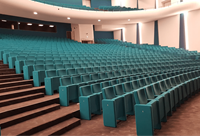
Fixed audience seating creates a consistent arrangement that helps establish structure within permanent performance spaces. In theaters and auditoriums, clearly defined rows and aisles guide visitors toward their seats while reducing confusion during entry and exit.
A predictable layout can also encourage better audience behavior. When everyone has an assigned place, unnecessary movement becomes less common, allowing performers and speakers to maintain audience attention.
Another psychological benefit is familiarity. Regular visitors to a venue gradually learn its layout, making future visits easier and more comfortable. This is especially valuable for educational institutions and performance centers that host frequent events.
How Seating Arrangements Influence Audience Movement
Movement is one of the most important considerations in venue planning. Poorly organized seating can create bottlenecks near entrances, crowded walkways, and unnecessary interruptions during performances.
A thoughtful seating arrangement provides visible pathways that help visitors understand where to go. Wider aisles, suitable row spacing, and clearly positioned exits can support smoother movement throughout a venue.
Portable audience seating offers additional flexibility when organizers need to change room arrangements for different activities. For example, a school may use traditional rows for a lecture but create a different layout for a music performance or community gathering.
This flexibility allows venues to respond to different audience sizes and event requirements without permanently changing their interior structure.
Why Comfort and Personal Space Matter
Comfort has a direct relationship with audience satisfaction. People are more likely to remain attentive when their seating provides suitable support, sufficient space, and a clear view of the performance area.
Crowded arrangements can create discomfort and make visitors feel restricted. On the other hand, excessive spacing may reduce venue capacity and create an atmosphere that feels disconnected.
The objective is to find a practical balance between seating capacity and individual comfort.
Portable audience seating can help organizers adjust spacing according to the type of event, expected attendance, and available floor area. This is particularly useful for venues that accommodate different age groups and activities throughout the year.
The Connection Between Seating and Audience Engagement
The physical arrangement of seats can influence how audiences experience an event. In a theater, forward-facing rows encourage attention toward the stage. In a discussion room, a semicircular arrangement can make speakers and participants feel more connected.
The relationship between performers and spectators also depends on sightlines. When people can see the stage without constantly adjusting their positions, they can focus more comfortably on the presentation.
Portable audience seating allows organizers to experiment with layouts that support different levels of interaction. A music event may benefit from conventional rows, while a workshop may work better with smaller seating groups.
These choices demonstrate that venue design should reflect the purpose of the event rather than simply maximize the number of seats.
Creating Flexible Spaces Without Losing Organization
Modern venues increasingly serve multiple purposes. A school auditorium may host assemblies, musical performances, award ceremonies, and guest lectures. A community hall may accommodate conferences, celebrations, and educational programs.
Portable audience seating helps these spaces adapt to changing requirements. Organizers can rearrange seating to create more open floor areas, improve audience visibility, or accommodate different attendance levels.
However, flexibility should never come at the expense of safety. Every arrangement should maintain clear access routes, suitable exit paths, and appropriate space for people with mobility needs.
A practical venue plan considers both the advantages of adaptable layouts and the importance of maintaining an orderly environment.
Designing Better Venues Through Human-Centered Planning
Good venue design begins with understanding the people who will use the space. Architects, school administrators, and event planners should consider audience size, event frequency, expected movement, accessibility, and maintenance requirements before selecting seating arrangements.
Fixed audience seating is generally suitable for dedicated spaces where consistent layouts and long-term use are priorities. Portable audience seating is valuable when a venue requires frequent changes to its floor plan.
Combining thoughtful seating choices with suitable lighting, acoustics, aisle planning, and stage visibility can create a more enjoyable environment.
For organizations planning new performance spaces, working with experienced venue furnishing specialists such as Alges Corporation can help bring practical seating requirements and design goals together.
Conclusion
Venue design has a powerful influence on how people behave, move, and engage with their surroundings. Seating arrangements affect everything from comfort and personal space to audience attention and crowd movement.
Choosing between permanent and adaptable seating should depend on the venue’s purpose, available space, and expected activities. By prioritizing comfort, accessibility, visibility, and efficient movement, organizations can create environments that serve both audiences and event organizers.
Ultimately, successful venue design is about more than arranging seats. It is about creating an experience in which every visitor feels comfortable, included, and ready to participate.