
Understanding Chemical Peel Treatment in Dubai and Its Main Limitations
Chemical Peel Treatment in Dubai is a commonly searched skincare option for people interested in improving dullness, pigmentation, and uneven skin texture.
The treatment uses exfoliating ingredients to remove dead surface cells and support the natural renewal process. It may help improve the appearance of superficial skin concerns, but the results are not the same for everyone.
Some common limitations include:
- Chemical peels cannot permanently stop skin aging.
- They may not completely remove deep pigmentation.
- They cannot eliminate every type of acne scar.
- Results may require multiple sessions.
- Some skin conditions may need alternative treatments.
- Improvements can be affected by sun exposure and lifestyle.
- Results are not always permanent.
For example, a superficial peel may improve dullness and mild dark spots, but it may have limited effects on deep acne scars or stubborn pigmentation.
It is important to understand that chemical peels are designed to improve selected skin concerns rather than provide a complete solution for every skin problem.
Why Chemical Peel in Dubai Cannot Treat Every Skin Concern
Chemical Peel in Dubai is often discussed as an option for smoother and brighter-looking skin. However, chemical peels work mainly through controlled exfoliation, which means their effectiveness depends on the location and nature of the skin concern.
Some conditions respond better than others.
For example, superficial pigmentation may improve with suitable chemical exfoliation. However, deep scars, significant wrinkles, and certain pigmentation disorders may require other treatment approaches.
Chemical peels also have limited effects on:
Deep Acne Scars: Chemical exfoliation may improve mild surface irregularities, but deeper depressed scars usually need different treatment methods.
Deep Wrinkles: Peels may soften the appearance of fine lines, but they cannot completely remove deep wrinkles.
Loose Skin: Chemical peels improve the skin’s surface but do not significantly tighten loose or sagging skin.
Active Skin Conditions: Certain inflammatory conditions may become irritated after exfoliation.
Permanent Pigmentation Removal: Some pigmentation conditions can return even after visible improvement.
Understanding these limitations prevents unrealistic expectations and helps people focus on suitable skincare goals.
What Chemical Peel Treatment Clinics in Dubai Explain About Treatment Limitations
People researching Chemical Peel Treatment Clinics in dubai should understand that every chemical peel has specific benefits and limitations.
The treatment depth, ingredients, and individual skin condition influence the possible results.
For example, superficial peels generally work on the outermost skin layer. They may help improve dullness, mild pigmentation, and rough texture, but they cannot reach deeper skin damage.
Medium and deep peels penetrate further, but they also involve longer recovery periods and greater risks.
Several factors can limit treatment results:
- The depth of the skin concern.
- Natural skin sensitivity.
- Existing pigmentation conditions.
- The strength of the chemical solution.
- Individual healing ability.
- Sun exposure after treatment.
- Consistency of daily skincare.
Another important limitation is that chemical peels cannot guarantee identical results for everyone. Two people receiving similar treatments may experience different levels of improvement.
The best approach is to understand what a particular peel is intended to achieve before considering it.
How Best Aesthetic Clinics in Dubai Discuss Realistic Chemical Peel Results
Best Aesthetic Clinics in dubai is a commonly used search phrase related to skincare and aesthetic treatments.
One important part of understanding chemical peels is knowing that visible improvement does not always mean complete correction.
Chemical peels may help with:
- Mild pigmentation.
- Uneven skin tone.
- Dull complexion.
- Rough skin texture.
- Superficial acne marks.
- Fine surface lines.
However, the level of improvement depends on the condition being treated.
For example, people with mild surface discoloration may notice a brighter complexion after treatment. Those with deeper pigmentation may need a longer-term approach.
It is also important to understand that healthy skin naturally has pores, fine lines, and small variations in texture. Chemical peels cannot remove every natural skin feature.
A realistic goal is to achieve healthier-looking and more balanced skin rather than expecting perfection.
Why Best Plastic Surgeons in Dubai Highlight the Limitations of Chemical Peels
Best Plastic Surgeons in dubai is a keyword often associated with cosmetic procedures and skin improvement.
When discussing chemical peels, understanding their limitations is essential because the treatment is not suitable for every skin concern.
Although chemical exfoliation can improve surface-level skin problems, it has limited effects on conditions that involve deeper skin structures.
Some important limitations include:
1. Limited Improvement in Deep Acne Scars
Chemical peels may improve superficial acne marks and minor texture irregularities. However, deep ice-pick, boxcar, and rolling scars may require other treatment approaches.
2. Limited Results for Deep Pigmentation
Some dark spots respond to superficial exfoliation, but deeper pigmentation may not improve significantly with a basic peel.
3. No Permanent Prevention of Aging
Chemical peels may soften fine lines and improve texture, but they cannot stop natural aging.
4. Limited Skin Tightening
The treatment focuses mainly on the skin surface. It does not provide the same type of lifting or tightening as procedures designed to address loose skin.
5. Results Require Maintenance
Sun exposure, aging, acne, and hormonal changes can affect the skin again after treatment.
Understanding these limitations allows people to choose treatments according to their actual skin concerns.
Celebrity Doctors in Dubai and the Difference Between Beauty Trends and Treatment Reality
The phrase Celebrity Doctors in Dubai is often associated with beauty trends, glowing skin, and popular aesthetic treatments.
Social media has increased awareness of chemical peels because many people share their skincare experiences online. However, online beauty content does not always explain treatment limitations.
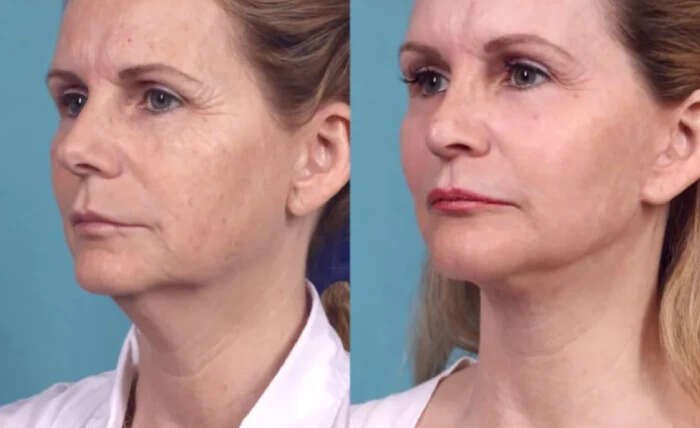
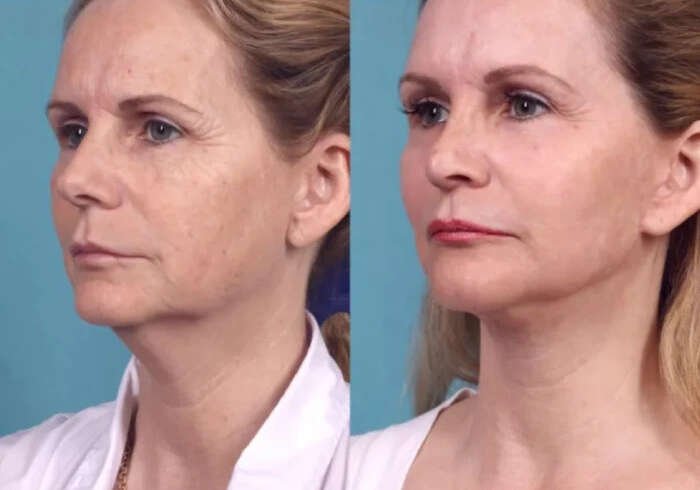
Some photographs may show dramatic improvements without explaining the number of sessions, recovery period, or additional skincare involved.
It is important not to assume that another person’s results will be identical to yours.
Chemical peels work differently depending on skin type, pigmentation, and natural healing ability.
People should also remember that a popular treatment is not automatically suitable for everyone.
A responsible skincare approach focuses on individual needs, realistic goals, and long-term skin health rather than following temporary beauty trends.
Different Types of Chemical Peels and Their Treatment Limitations
Chemical peels are generally divided into three main categories based on how deeply they affect the skin.
Understanding the differences helps people know what each treatment can and cannot achieve.
Superficial Chemical Peels and Their Limited Results
Superficial peels affect the outermost skin layer. They commonly contain glycolic acid, lactic acid, or salicylic acid.
They may help improve:
- Mild pigmentation.
- Dullness.
- Rough skin texture.
- Superficial acne marks.
- Minor discoloration.
However, their effects on deep scars, wrinkles, and stubborn pigmentation are limited.
They generally involve less downtime, but multiple sessions may be needed for noticeable improvement.
Medium Chemical Peels and Their Skin Improvement Limitations
Medium peels penetrate deeper into the skin and may help improve more noticeable sun damage, pigmentation, and fine lines.
Although they can produce more significant changes than superficial peels, they also involve a longer recovery period.
Their limitations include the inability to completely correct deep scars, significant skin laxity, or every type of pigmentation.
They also carry a higher risk of irritation and post-inflammatory pigmentation.
Deep Chemical Peels and Their Possible Restrictions
Deep peels affect deeper skin layers and involve a more intensive recovery process.
They may improve selected advanced skin concerns, but they are not suitable for every skin type.
Possible limitations and risks include:
- Longer healing time.
- Increased risk of infection.
- Possible scarring.
- Long-term changes in skin pigmentation.
- Greater sensitivity after treatment.
Deep peels require careful medical evaluation and are not a universal solution for skin improvement.
Why Chemical Peels May Not Permanently Remove Pigmentation
Pigmentation is one of the most common reasons people consider chemical peels. However, not all pigmentation develops in the same way.
Some dark spots are located near the skin’s surface, while others involve deeper pigment deposits.
Chemical peels may improve superficial discoloration by removing pigmented surface cells. However, deeper pigmentation can be more difficult to manage.
Melasma is a good example. It is a condition influenced by hormones, sunlight, and other factors. Even when its appearance improves, it may return.
Post-inflammatory hyperpigmentation can also develop after acne, irritation, or injury. Excessive exfoliation may sometimes make this problem worse.
Therefore, chemical peels should not be viewed as a permanent pigmentation solution.
Daily sunscreen, gentle skincare, and suitable pigmentation-focused ingredients are important for maintaining improvements.
Dr. perfect celebrity: Understanding the Reality of Chemical Peel Results
The keyword Dr. perfect celebrity reflects the growing online interest in beauty treatments and aesthetic skincare.
Many people want brighter, smoother, and more even-looking skin. However, celebrity beauty trends and edited photographs can create unrealistic expectations.
Chemical peels may improve certain skin concerns, but they cannot guarantee flawless skin.
It is important to understand that:
- Natural pores will remain visible.
- Deep scars may require other treatments.
- Pigmentation can return.
- Fine lines may improve but not disappear completely.
- Results depend on individual skin conditions.
- Regular skincare is needed to maintain improvements.
Instead of focusing on perfect skin, people should aim for healthy skin with improved texture and a more balanced complexion.
The Role of Perfect Doctors Clinic in Understanding Chemical Peel Limitations
Perfect Doctors Clinic is a keyword associated with online searches about aesthetic skincare and cosmetic procedures.
When discussing chemical peel limitations, it is important to understand that no single skincare treatment can address every concern.
A chemical peel may improve surface-level discoloration, but deeper skin problems may require different approaches.
For example, people with deep acne scars may need treatments specifically designed for scar improvement. Those experiencing melasma may require long-term pigmentation management.
Similarly, people with loose skin may need a different approach because chemical peels do not provide significant lifting.
Understanding these differences helps people avoid choosing a treatment that does not match their skin goals.
Possible Side Effects That Can Limit Chemical Peel Treatment
Although chemical peels can improve the appearance of the skin, side effects may affect the treatment experience.
Common temporary reactions include:
Redness: The treated skin may look pink or red for a short period.
Dryness: Exfoliation can temporarily reduce skin comfort and cause tightness.
Peeling: Dead skin cells may shed over several days, depending on the peel.
Sensitivity: The skin may become more sensitive to sunlight and skincare ingredients.
Pigmentation Changes: Some people may develop darker or lighter patches after treatment.
Less common complications include infection, burns, and scarring, particularly with deeper peels or incorrect application.
People should seek medical advice if they experience severe pain, blistering, increasing redness, or signs of infection.
How to Maintain Skin Health After Chemical Peel Treatment
Even when a chemical peel produces good results, maintaining those improvements requires consistent skincare.
The following habits can help protect the skin:
1. Apply Sunscreen Daily
Use broad-spectrum sunscreen with SPF 30 or higher. Sun protection helps prevent further pigmentation and sun damage.
2. Keep the Skin Moisturized
A gentle moisturizer supports hydration and helps maintain the skin barrier.
3. Avoid Excessive Exfoliation
Do not combine multiple strong exfoliating products without appropriate guidance.
4. Allow Natural Skin Recovery
Avoid picking or pulling peeling skin because this can cause irritation and pigmentation.
5. Follow a Gentle Routine
Use a mild cleanser and suitable moisturizer while the skin heals.
6. Maintain Realistic Expectations
Remember that chemical peels provide gradual improvement and may require maintenance.
Healthy skincare habits are important for maintaining a smoother and brighter complexion.
When Chemical Peels May Not Be the Right Choice
Chemical peels may not be suitable for everyone, especially when the skin is already irritated or damaged.
Treatment may need to be postponed or avoided in cases involving:
- Active skin infections.
- Open wounds.
- Recent sunburn.
- Severe skin irritation.
- Certain uncontrolled inflammatory skin conditions.
- Incomplete healing from previous cosmetic procedures.
- A history of significant complications from chemical peels.
People with sensitive skin or a history of pigmentation changes may need additional precautions.
Pregnant or breastfeeding individuals should discuss the safety of specific ingredients with a qualified healthcare professional.
In some cases, a gentle skincare routine or a different treatment approach may be more suitable than chemical exfoliation.
Final Thoughts on Understanding the Limitations of Chemical Peels
Chemical peels can be helpful for improving dullness, superficial pigmentation, uneven skin tone, and rough skin texture. However, understanding their limitations is essential before considering treatment.
They cannot permanently stop aging, remove every type of scar, guarantee complete pigmentation removal, or significantly tighten loose skin.
Results depend on the treatment depth, skin type, individual healing ability, and daily skincare habits.
The most effective approach is to choose realistic goals, protect the skin barrier, and follow proper aftercare.
Chemical peels should be viewed as one part of a broader skincare routine rather than a complete solution for every skin concern. With suitable expectations and consistent skin protection, people can work toward a healthier, smoother, and more balanced-looking complexion.