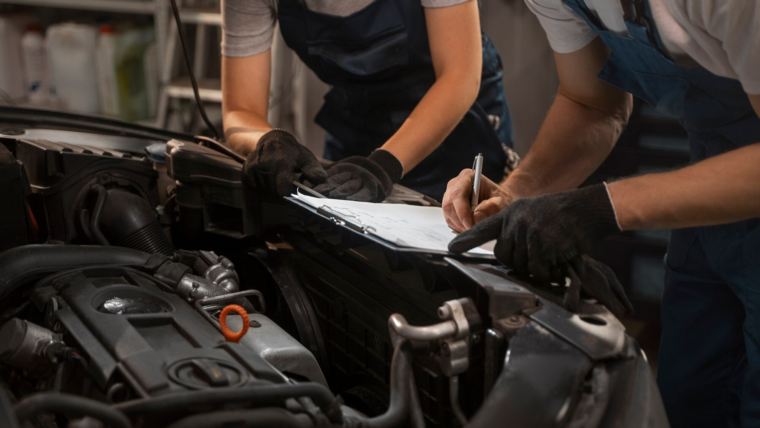
A vehicle may appear to be in good condition, but hidden mechanical faults can affect its reliability, performance and safety. Regular inspections help identify developing problems before they lead to unexpected breakdowns or expensive repairs. Whether you are preparing for a long journey, purchasing a second-hand vehicle or maintaining your everyday car, a thorough inspection provides valuable information about its overall condition.
A professional vehicle inspection involves examining several important systems, checking for visible damage and identifying components that may require maintenance or replacement. Understanding what mechanics inspect can help vehicle owners recognise potential problems and make informed maintenance decisions.
Here are six important areas mechanics examine during a comprehensive vehicle inspection.
1. Engine and Cooling System Inspection
The engine and cooling system play a vital role in keeping your vehicle running smoothly and preventing overheating. During an inspection, mechanics check the engine for visible oil leaks, unusual noises, damaged components, and warning lights on the dashboard.
They examine engine oil levels and condition to identify possible contamination or insufficient lubrication. Mechanics also inspect the radiator, coolant reservoir, hoses and connections for leaks, cracks or deterioration. Worn belts and loose fittings are checked because they can affect the operation of engine-driven components.
Signs such as rising engine temperature, coolant loss, steam from the bonnet or unusual knocking noises should not be ignored. These symptoms may indicate cooling system faults or developing engine problems.
Identifying these concerns early can help reduce the risk of overheating and further mechanical damage.
2. Braking System Inspection
The braking system plays a critical role in controlling vehicle speed and stopping safely. Even minor brake defects can affect braking performance, particularly during emergency situations or when driving on steep roads.
Mechanics examine brake pads and discs for excessive wear, scoring, cracks, and uneven contact surfaces. They also check brake fluid levels, inspect visible brake hoses and connections, and look for signs of fluid leakage.
During appropriate testing, mechanics assess braking response and investigate symptoms such as vibrations, pulling to one side, grinding noises, or a soft brake pedal.
For example, a grinding sound when applying the brakes may indicate that the brake pads are severely worn and metal components are making contact.
Regular brake inspections help identify worn parts and fluid-related concerns before they become more serious safety issues.
3. Tyres and Wheels Inspection
Your tyres provide the contact between your vehicle and the road, making their condition essential for safe handling, braking, and traction. Their condition affects braking, steering, traction, and overall driving stability.
During a comprehensive vehicle inspection, mechanics examine tyre tread depth to determine whether sufficient tread remains. They also check inflation pressure against the vehicle manufacturer’s recommendations and look for uneven wear patterns.
Cracks, bulges, cuts and exposed cords on tyre sidewalls require particular attention because they may indicate damage or a potential tyre failure.
Mechanics also inspect wheels for visible cracks, bends and damage. Uneven tyre wear may suggest incorrect wheel alignment, suspension problems or unsuitable tyre pressure.
Drivers should regularly check tyre pressure, inspect tread condition and look for visible damage. Replacing damaged or excessively worn tyres at the appropriate time helps maintain safer road contact.
4. Suspension and Steering Inspection
The suspension and steering systems help maintain vehicle stability, handling and control. Worn or damaged components can make driving uncomfortable and affect how the vehicle responds to steering inputs.
Mechanics inspect shock absorbers, struts, springs, bushes, ball joints and other accessible suspension components for wear, looseness or damage. They also check steering linkages, joints and associated components for excessive movement or deterioration.
Warning signs include knocking sounds over bumps, excessive bouncing, steering vibration, uneven tyre wear and difficulty maintaining a straight driving direction.
For vehicles with hydraulic power steering, mechanics may also check fluid levels and look for leaks. Electric power steering systems require different diagnostic checks.
Identifying suspension and steering concerns early can help prevent further component wear and maintain predictable vehicle handling.
5. Battery and Electrical System Inspection
A vehicle’s electrical system supports starting, charging, lighting, and numerous electronic functions. Electrical faults can cause starting difficulties, warning lights, and unreliable operation of essential equipment.
Mechanics assess battery condition, terminal connections, and signs of corrosion. They may perform a battery load or conductance test and check the alternator’s charging output to determine whether the battery is receiving the correct charge.
The starter motor is also checked if the vehicle experiences slow cranking, clicking sounds or intermittent starting problems.
Other inspection points include headlights, indicators, brake lights, hazard lights, dashboard warning indicators and windscreen wipers.
Drivers should pay attention to dim headlights, repeated battery discharge and difficulty starting the engine. These symptoms may indicate battery deterioration, charging problems or electrical faults that require further diagnosis.
6. Vehicle Body and Safety Inspection
A vehicle’s exterior condition can reveal signs of previous accidents, poor repairs, corrosion and damage that may affect its structural condition.
During a body inspection, mechanics look for dents, scratches, rust, uneven panel gaps and differences in paint finish. These signs may indicate previous repairs or collision damage, although further assessment may be needed to establish the cause and extent.
They also examine accessible areas for corrosion, inspect the windscreen for cracks and check mirrors, doors and other visible safety-related components.
Seatbelts should be checked for fraying, damaged buckles and correct operation. Mechanics may also examine visible damage around structural areas and recommend specialist assessment if suspected structural damage is found.
A used car vehicle inspection is particularly valuable before purchasing a second-hand vehicle because it can help buyers identify visible defects and potential mechanical concerns before making a financial commitment.
Why Choose a Professional Mobile Vehicle Inspection?
Arranging vehicle inspection services in Perth allows local drivers to assess their cars without overlooking important mechanical and safety components. A mobile mechanic Perth service provides additional convenience by allowing inspections at suitable locations, such as a customer’s home or workplace.
Mobile mechanics can examine accessible vehicle systems, identify visible defects and explain which issues may require attention. If specialised equipment, workshop facilities or further testing are necessary, additional assessment may be recommended.
A professional vehicle inspection does not guarantee that future breakdowns will be prevented. However, it provides a useful assessment of the vehicle’s condition at the time of inspection and helps owners make informed maintenance decisions.
Conclusion
Regular vehicle inspections help drivers understand the condition of their engines, brakes, tyres, suspension, electrical systems and bodywork. Checking these six areas can reveal developing faults, support safer driving and help owners plan necessary repairs.
Whether you are preparing for a long-distance journey or considering a second-hand vehicle, arranging an inspection can provide valuable peace of mind. Mobile Mechanic Perth offers convenient inspection services to help Perth drivers identify potential concerns and keep their vehicles properly maintained.