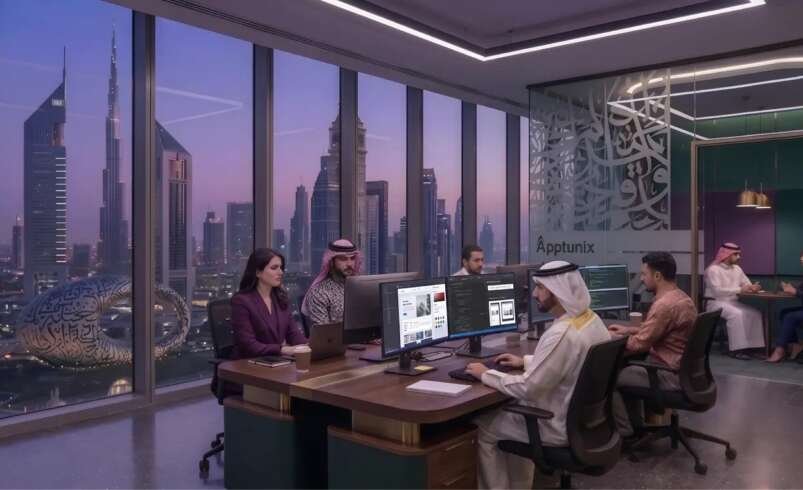

Dubai is one of the most competitive business markets in the world. A new café, clinic, real estate agency or online store opens almost every day, and each one is fighting for the same attention on Google, Instagram and WhatsApp. In that environment, your website is not a digital brochure. It is your best salesperson, and it works every hour of the day.
A good Dubai web designer knows that a pretty homepage is not enough. The site has to load quickly, speak to local buyers, build trust in seconds and make the next step obvious. Here is how that works in practice.
1. Start With the Customer, Not the Design
Many websites fail because they are built around the owner’s taste instead of the buyer’s needs. Before choosing colors or fonts, a skilled designer asks a few basic questions:
- Who is the typical customer: a resident, a tourist, a business owner or an investor?
- What problem are they trying to solve when they land on the site?
- What action should they take: call, book, buy or request a quote?
Know Dubai’s Mixed Audience
Dubai’s population includes Emiratis, Arab expats, South Asian professionals, Western residents and visitors from everywhere. A luxury villa buyer from Europe browses very differently from a restaurant-goer from Karachi or Cairo. Writing for one specific group usually converts better than writing for “everyone”.
2. Make the Site Bilingual and Culturally Aware
English works for most business in Dubai, but Arabic builds trust with a large share of local customers, especially in government-related services, healthcare, legal work and real estate.
Build Proper Arabic Support
Adding Arabic means more than running text through a translator. A proper Arabic version needs:
- Right-to-left layout, so menus, buttons and images mirror correctly
- Arabic fonts that are easy to read on small screens
- Natural wording written or checked by a native speaker
- A language switch that is easy to find on every page
Respect Local Culture
Imagery, tone and seasonal content matter. A Ramadan offer banner, respectful photos and accurate Gulf-region references show customers that you understand them.
3. Design for Mobile First
Most people in the UAE browse on their phones, often while commuting, shopping or sitting in a café. If your site is awkward on a 6-inch screen, visitors will leave.
Mobile Details That Matter
- Buttons large enough to tap with a thumb
- Text readable without zooming
- Click-to-call and WhatsApp buttons visible at all times
- Forms with as few fields as possible
- Menus that are simple, not buried
Google also ranks sites mainly by their mobile version, so this affects your search visibility as well as your sales.
4. Speed Is Not Optional
People expect pages to open almost instantly. If a page takes more than three seconds, a large share of visitors will go back to the search results and click a competitor.
Ways a Designer Improves Speed
- Compressing images without visible quality loss
- Using modern formats such as WebP
- Choosing reliable hosting with servers close to the Gulf region
- Removing unused plugins and heavy scripts
- Enabling caching and a content delivery network
Dubai businesses often use large lifestyle photos and videos. Those look great, but only when they are optimized properly.
5. Build Trust in the First Few Seconds
Online buyers in Dubai are careful. They compare prices, read reviews and check whether a company looks legitimate. Your website has to answer the question “Can I trust these people?” very quickly.
Trust Signals to Include
- A clear company name, trade license information and physical address
- Real phone numbers and a working email address
- Customer reviews, ratings and case studies
- Photos of your actual team, office or work, not only stock images
- Logos of known clients or partners
- A visible privacy policy and clear refund terms
A Google Maps embed with your location also reassures people that you are a real business they can visit or call.
6. Write Clear, Useful Content
Visitors do not read websites word by word. They scan. Your pages should make it easy to find answers.
Content Tips That Work
- Put the main benefit in the first headline, for example “Same-Day AC Repair in Dubai Marina”
- Use short paragraphs and plain language
- Explain prices or starting costs when possible
- Answer common questions in an FAQ section
- Describe what happens after someone contacts you
Avoid vague phrases such as “we provide the best solutions”. Say what you do, for whom and how fast.
7. Use Strong Calls to Action
A website that attracts visitors but does not guide them wastes money. Every page should have one main action.
Examples of Clear Actions
- “Book a Free Consultation”
- “Get a Quote on WhatsApp”
- “Order Now and Get Delivery Today”
- “Schedule a Property Viewing”
Place these buttons at the top of the page, in the middle and again at the bottom. Use a contrasting color so they stand out without looking aggressive.
8. Focus on Local SEO
Many customers search with phrases like “dentist near me” or “web designer in Business Bay”. Local SEO helps you appear for those searches.
Practical Local SEO Steps
- Set up and complete your Google Business Profile
- Use area names naturally in page titles and text, such as Deira, JLT, Downtown or Al Quoz
- Keep your name, address and phone number identical across all directories
- Collect genuine Google reviews and reply to them
- Create separate pages for each service and location you cover
- Add schema markup so search engines understand your business details
Over time, this brings steady traffic from people who are already looking to buy.
9. Make Contact and Payment Easy
In the UAE, many customers prefer to message before they commit. WhatsApp is often the fastest way to close a sale, so a floating WhatsApp button is almost essential.
For Online Stores
- Offer local payment options, including cards, Apple Pay and cash on delivery where suitable
- Show delivery times and fees before checkout
- Display prices in AED, with VAT clearly stated
- Keep checkout to as few steps as possible
- Allow guest checkout
Hidden fees and long forms are some of the most common reasons people abandon their carts.
10. Use Real Visuals
Dubai is a visual city, and customers judge quality quickly. Professional photos and short videos of your products, team and premises make a real difference.
Visual Guidelines
- Use original photography wherever possible
- Keep the layout clean, with generous spacing
- Match colors and fonts to your brand
- Add short videos for services that are easier to show than explain
- Include alt text on images for accessibility and SEO
Good design should support the message, not distract from it.
11. Protect and Maintain the Website
A site that is slow to update, insecure or broken loses customers quietly. Security and upkeep should be part of the plan from the beginning.
Basic Maintenance Checklist
- An SSL certificate so the site shows as secure
- Regular backups
- Software and plugin updates
- Uptime monitoring
- Compliance with UAE data and privacy requirements
12. Track Results and Keep Improving
A website is never really finished. Analytics show what visitors do, where they leave and which pages bring in enquiries.
Numbers Worth Watching
- Monthly visitors and where they come from
- Bounce rate on key pages
- Number of calls, form submissions and WhatsApp clicks
- Conversion rate from visitor to customer
- Page loading time
With this information, small changes such as a new headline, a shorter form or a different button position can raise results without a full redesign.
Final Thoughts
A website that attracts customers in Dubai combines several things: a clear message, fast loading, mobile comfort, Arabic and English support, visible trust signals and an easy way to get in touch. A good Dubai web designer brings these together around your business goals, not just your visual preferences.
Before hiring one, ask to see past projects, check their experience with local SEO and bilingual sites, and ask how they measure success. A well-planned site pays for itself through steady enquiries, better-quality leads and a stronger reputation.