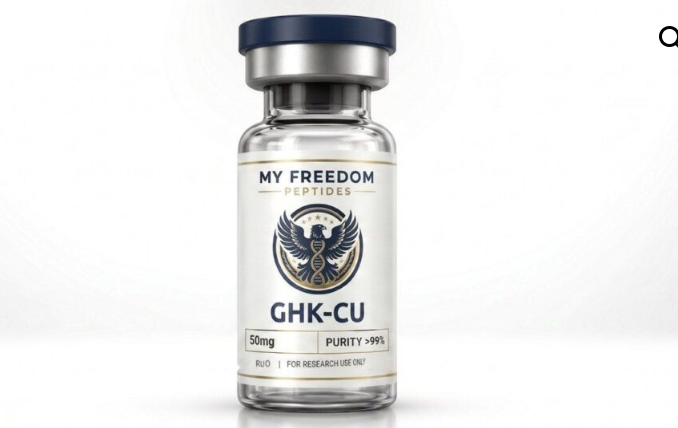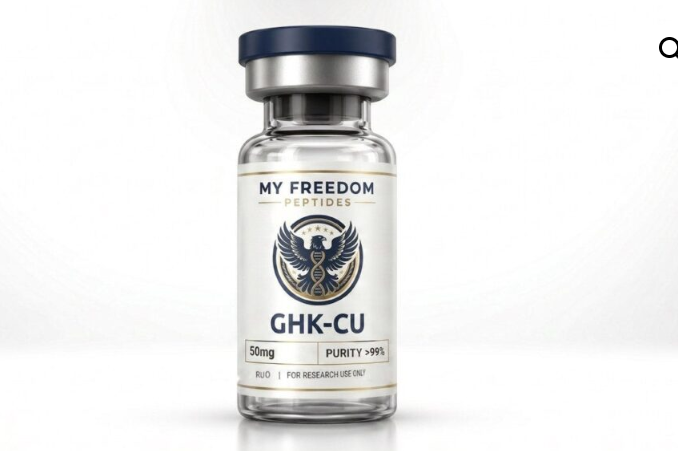

The subject of GHK-Cu for research involves the scientific investigation of a copper-binding peptide complex and its molecular characteristics. Researchers evaluating this compound should consider its composition, analytical documentation, and the limitations of available scientific evidence.
Scientific Background
GHK-Cu is formed through the association of the tripeptide GHK with copper. It has been examined in scientific literature involving peptide-metal interactions and various experimental biological processes.
Importance of Research Materials
Laboratory research requires accurate identification of the materials used in an experiment. Product specifications, batch information, and analytical reports help maintain consistent research records.
Analytical Verification
Methods such as HPLC and mass spectrometry can provide information about purity and molecular identity. Researchers should review the available COA to understand which tests were performed and what results were reported.
Responsible Interpretation of Research
Experimental findings should be interpreted according to the study design and research model. Scientific observations should not be presented as proof of human clinical effectiveness or medical suitability.
Conclusion
GHK-Cu is a subject of peptide-related scientific investigation. Responsible laboratory evaluation requires accurate product identification, analytical documentation, and evidence-based interpretation.
Research Disclaimer: Products are intended strictly for laboratory, analytical, and scientific research purposes only. They are not intended for human or veterinary consumption, administration, diagnosis, or therapeutic use.