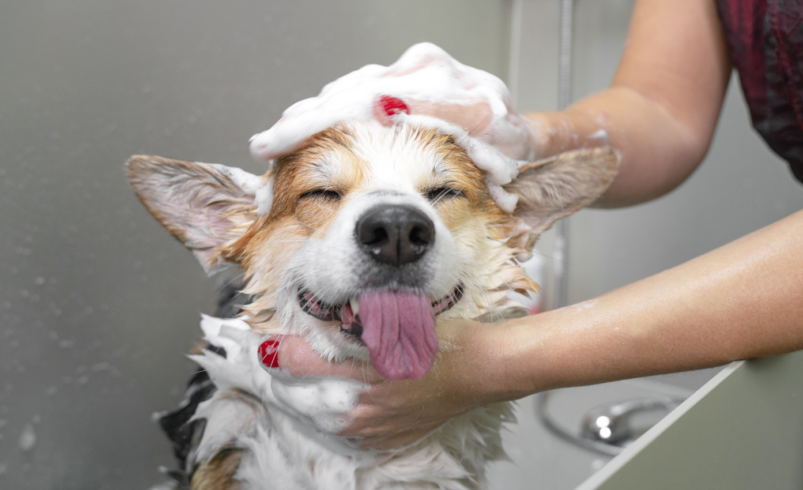

Bathing your dog is an important part of keeping its coat clean, fresh, and healthy. It helps remove dirt, loose hair, unpleasant smells, and other unwanted substances. However, using the right shampoo is not enough to give your dog a proper bath. Rinsing is equally important because leftover shampoo can cause skin irritation, itching, and discomfort.
Many dog owners spend time washing their pets but rush through the rinsing process. Even when the visible foam disappears, small amounts of shampoo may remain trapped between the hairs or close to the skin. This is more common in dogs with long, thick, or curly coats.
Proper rinsing helps remove leftover shampoo and keeps your dog’s coat soft, clean, and comfortable. Whether you bathe your pet at home or choose a Dog Wash Kenmore service, understanding the importance of rinsing can help improve your dog’s grooming routine.
Why Is Proper Rinsing Important for Dogs?
Rinsing removes shampoo, dirt, and loose hair from your dog’s coat. During bathing, shampoo helps loosen dirt and excess oil so they can be washed away with water. However, the cleaning process is not complete until the product has been fully removed.
When shampoo remains on the coat, it can leave a sticky layer that attracts more dirt. It may also make the fur feel rough or heavy.
Proper rinsing is especially important for dogs with thick coats because shampoo can become trapped beneath the outer layer of hair. Taking enough time to rinse every area helps keep the skin comfortable and the coat looking fresh.
For owners searching for Dog Wash Kenmore services, careful rinsing should be an important part of the bathing process.
What Happens When Shampoo Is Not Rinsed Properly?
Leaving shampoo on your dog’s coat can cause several problems. The effects may depend on your dog’s skin type, coat condition, and the amount of product left behind.
1. Itching and Skin Irritation
Shampoo residue can irritate your dog’s skin, especially if your pet has sensitive skin. You may notice your dog scratching, licking, or rubbing its body against furniture after a bath.
Regular and careful rinsing helps remove leftover product and reduces the chance of irritation caused by shampoo.
2. Dry and Uncomfortable Skin
Some shampoos contain cleaning ingredients that remove dirt and excess oil. If these products are not washed away properly, they may leave the skin feeling uncomfortable.
Dogs with dry or sensitive skin may develop flaky patches or increased itching. Thorough rinsing helps remove unwanted products and keeps the skin more comfortable.
3. Dull and Sticky Fur
Shampoo residue can make your dog’s coat feel sticky, rough, or heavy. Instead of looking fresh after a bath, the fur may quickly collect more dirt.
Removing all leftover shampoo helps the coat feel softer and makes brushing easier.
4. Unpleasant Smell
Sometimes, dogs continue to smell unpleasant even after bathing. One possible reason is that shampoo, dirt, or moisture has not been removed properly.
However, ongoing bad smells may also be linked to skin or ear problems and should be checked when necessary.
How to Rinse Your Dog Properly After Shampooing
A proper rinse does not require complicated steps. You simply need to be patient and make sure water reaches every part of your dog’s coat.
Step 1: Use Lukewarm Water
Always use lukewarm water when bathing your dog. Very hot water may irritate the skin, while cold water can make bath time uncomfortable.
Check the water temperature before starting. Use a gentle flow and avoid spraying directly into your dog’s eyes, ears, or nose.
Step 2: Start from the Neck and Move Towards the Tail
Begin rinsing around the neck and slowly move towards the back, stomach, legs, and tail. This makes it easier to cover the entire body.
Move your hands gently through the fur so water can reach the hair underneath. Pay extra attention to areas with thick hair.
Step 3: Check Hidden Areas
Some parts of your dog’s body can easily be missed during bathing. These include:
- Under the belly and around the chest.
- Behind the legs and around the armpits.
- Between the paws and around the tail.
- Beneath thick or curly sections of hair.
Gently separate the hair with your fingers to help water reach the inner coat.
Step 4: Rinse Until the Water Runs Clear
Do not stop rinsing as soon as the foam disappears. Small amounts of shampoo may still remain between the hairs.
Continue using gentle water while moving your hands through the coat. Check whether the fur still feels slippery or soapy. Repeat rinsing until no visible shampoo remains.
Step 5: Clean Sensitive Areas Carefully
The face, ears, paws, and stomach need extra care. Use a damp, soft cloth to clean around the face instead of pouring water directly over it.
Avoid allowing water to enter the ear canals, as trapped moisture may contribute to ear problems.
How Long Should You Rinse Your Dog?
Rinsing time depends on your dog’s size, coat length, and hair thickness. A small dog with short hair may need less time than a large dog with a thick coat.
| Coat Type | Rinsing Needs | Areas to Check |
| Short hair | Simple but complete rinsing | Neck and belly |
| Medium hair | Careful rinsing | Legs and chest |
| Long hair | Extra rinsing time | Underneath the coat |
| Thick coat | Slow and thorough rinsing | Skin and undercoat |
| Curly coat | Careful separation of hair | Inner coat and legs |
Always check your dog’s coat instead of following a fixed bathing time. The aim is to remove all shampoo without making your pet uncomfortable.
Common Rinsing Mistakes to Avoid
Even small mistakes during bathing can leave shampoo behind. Understanding these mistakes can help you improve your dog’s grooming routine.
- Rinsing too quickly: Stopping as soon as the foam disappears may leave shampoo between the hairs.
- Using too much shampoo: Extra product takes longer to wash away and may increase residue.
- Ignoring the undercoat: Thick-coated dogs need careful rinsing beneath the outer layer.
- Using strong water pressure: Heavy water pressure can frighten dogs and make bathing uncomfortable.
Taking a gentle and patient approach helps make bath time easier while ensuring your dog receives proper cleaning.
Does Coat Type Affect the Rinsing Process?
Yes, your dog’s coat type plays an important role in rinsing. Different coat types hold shampoo and water differently.
Short-haired dogs are usually easier to rinse because their coats have fewer layers. However, their skin still needs proper cleaning.
Long-haired dogs may hold shampoo between individual hair strands, so rinsing should be done slowly. Curly-coated dogs also need extra attention because their hair can trap product close to the skin.
Dogs with thick or double coats may require more time to ensure water reaches the inner layer. A professional Dog Wash Kenmore service can provide suitable bathing and rinsing care according to your dog’s coat type.
Why Is Proper Drying Important After Rinsing?
Once rinsing is complete, proper drying is the next important step. Leaving your dog’s coat wet for too long can cause discomfort and unpleasant smells.
Gently remove extra water with your hands and use a clean, absorbent towel. Avoid rubbing too hard, as this can create tangles.
Pay attention to the belly, chest, legs, and areas with thick hair. Use a suitable drying method and keep the temperature comfortable for your pet.
Conclusion
Proper rinsing is an important part of keeping your dog’s coat clean, soft, and healthy. It helps remove leftover shampoo, reduces the risk of skin irritation, and prevents product buildup. Taking enough time to rinse every area, especially beneath thick hair, can make a big difference.
Remember to use suitable shampoo, comfortable water temperatures, gentle rinsing methods, and proper drying techniques. Whether you bathe your dog at home or look for Dog Wash Kenmore services, never rush through the rinsing stage.
At Woof Society, the focus is on gentle handling and personalised grooming care to help every dog enjoy a clean, comfortable, and stress-free grooming experience.
Frequently Asked Questions
1. How do I know if shampoo is still left on my dog’s coat?
Your dog’s coat may feel slippery, sticky, or soapy if shampoo remains. You may also notice small foam patches. Rinse the coat again with lukewarm water, paying extra attention to thick and hidden areas.
2. Can shampoo residue cause itching in dogs?
Yes, leftover shampoo may irritate your dog’s skin and cause itching. Dogs with sensitive skin may be more affected. Thorough rinsing helps remove product buildup and reduces discomfort. Persistent itching should be checked by a veterinarian.
3. How many times should I rinse my dog after shampooing?
There is no fixed number of rinses for every dog. Rinse until the water runs clear and the coat no longer feels slippery. Dogs with thick or long hair may need additional rinsing.
4. Is lukewarm water better for rinsing dogs?
Yes, lukewarm water is generally more comfortable for dogs during bathing. Very hot water can irritate their skin, while cold water may make them uncomfortable. Always check the temperature before starting the rinsing process.
5. Can professional dog washing help prevent shampoo residue?
Yes, professional dog washing can help ensure shampoo is removed properly. Experienced groomers understand different coat types and can give extra attention to thick or difficult-to-rinse areas while keeping the bathing process gentle.