

Water activities are a favorite pastime for millions of people, but they also come with safety risks. Every year, drowning and water-related accidents highlight the need for trained professionals who can respond quickly during emergencies. This is where Lifeguard Training becomes essential.
Lifeguard training equips individuals with the knowledge, practical rescue techniques, and emergency response skills needed to protect lives in pools, beaches, waterparks, and other aquatic environments. Whether you’re looking for a rewarding summer job, planning a career in aquatic safety, or simply want to gain lifesaving skills, professional lifeguard training is the first step toward becoming a confident and capable rescuer.
What Is Lifeguard Training?
Lifeguard training is a structured program that teaches participants how to prevent emergencies, recognize dangerous situations, and perform effective water rescues. It combines classroom instruction with practical, hands-on exercises to prepare students for real-life rescue scenarios.
During a professional training course, students learn how to:
- Identify distressed swimmers
- Perform water rescue techniques
- Administer CPR
- Use an Automated External Defibrillator (AED)
- Provide First Aid
- Manage spinal injury emergencies
- Communicate during emergency situations
- Monitor aquatic facilities effectively
- Reduce risks before accidents occur
The primary goal of lifeguard training is prevention first and rescue second.
Why Lifeguard Training Is Important
A lifeguard’s responsibility extends far beyond watching swimmers. They are trained to recognize hazards before they become emergencies and respond immediately when every second matters.
Proper training helps participants develop:
- Strong leadership skills
- Confidence under pressure
- Physical fitness
- Teamwork
- Quick decision-making
- Effective communication
- Professional responsibility
These qualities are valuable not only in aquatic environments but also in healthcare, public safety, education, and emergency services.
Who Should Take Lifeguard Training?
Lifeguard training is suitable for a wide range of individuals, including:
High School Students
Many teenagers choose lifeguarding as their first job because it offers valuable work experience and leadership opportunities.
College Students
Flexible schedules make lifeguarding an excellent option for students seeking seasonal or part-time employment.
Swim Instructors
Swimming instructors benefit from advanced rescue and emergency response techniques.
Fitness Professionals
Many fitness centers require certified lifeguards to supervise aquatic facilities safely.
Camp Staff
Summer camps often employ trained lifeguards to oversee lakes, pools, and waterfront activities.
Anyone Interested in Water Safety
Even individuals who don’t plan to work as lifeguards can benefit from learning lifesaving skills.
Essential Skills Learned During Lifeguard Training
Professional lifeguard training covers both theoretical knowledge and practical experience.
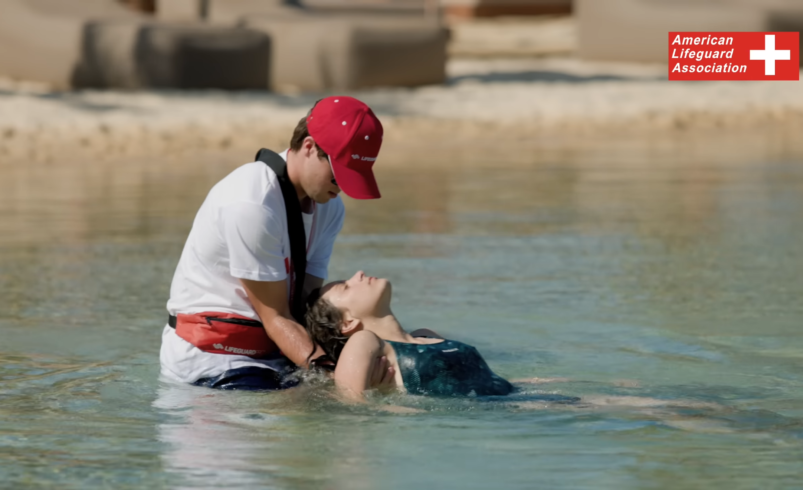
Water Rescue Skills
Students practice:
- Active victim rescues
- Passive victim rescues
- Deep-water rescues
- Multiple-victim rescues
- Spinal injury management
- Team rescue techniques
Practical repetition helps students react confidently during emergencies.
CPR Certification
CPR instruction includes:
- Adult CPR
- Child CPR
- Infant CPR
- Rescue breathing
- Two-rescuer CPR
These skills are valuable in both aquatic and non-aquatic emergencies.
AED Training
Participants learn how to:
- Operate an AED safely
- Place pads correctly
- Coordinate CPR with AED use
- Follow emergency protocols
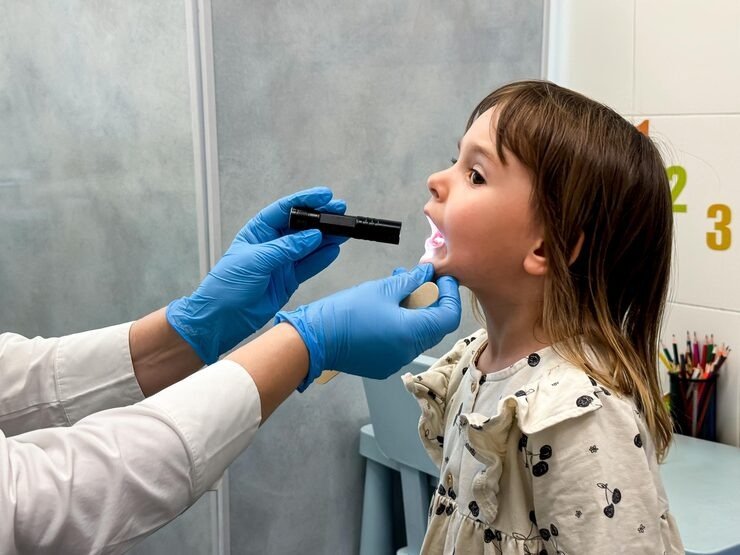
First Aid
Training also covers:
- Bleeding control
- Burn treatment
- Fracture stabilization
- Heat exhaustion
- Choking emergencies
- Allergic reactions
- Shock management
Benefits of Professional Lifeguard Training
Completing lifeguard training offers long-term advantages, including:
- Nationally recognized certification
- Better employment opportunities
- Increased confidence
- Leadership development
- Improved communication skills
- Emergency preparedness
- Physical fitness
- Lifesaving knowledge
These skills remain valuable throughout both personal and professional life.
Career Opportunities After Lifeguard Training
Certified lifeguards can find employment in many locations, including:
- Public swimming pools
- Hotels and resorts
- Beaches
- Waterparks
- Recreation centers
- Universities
- Summer camps
- Private clubs
- Cruise ships (depending on employer requirements)
Many professionals later advance into supervisory, management, or aquatic safety leadership positions.
How to Prepare for Lifeguard Training
Before enrolling, you can improve your chances of success by:
- Practicing swimming regularly
- Building endurance
- Improving physical fitness
- Learning basic CPR concepts
- Staying committed during practical sessions
- Working well with teammates
Preparation helps students perform better during certification assessments.
Choosing the Right Lifeguard Training Program
Not all training programs offer the same quality. Before enrolling, consider:
- Experienced instructors
- Comprehensive curriculum
- Hands-on rescue practice
- CPR, AED, and First Aid included
- Flexible scheduling
- Recognized certification
- Ongoing support and recertification options
A quality training program provides both knowledge and practical confidence.
Common Mistakes New Lifeguards Should Avoid
Even after certification, new lifeguards should avoid:
- Losing focus while on duty
- Ignoring minor safety concerns
- Poor communication with coworkers
- Neglecting regular practice
- Allowing certification to expire
Maintaining strong observation skills is one of the most important responsibilities of every lifeguard.
Frequently Asked Questions
How long does lifeguard training take?
Training length varies depending on the provider and schedule, but most courses combine classroom learning with practical rescue sessions over several days.
Is lifeguard training difficult?
The course requires commitment, swimming ability, and physical effort. Students who prepare in advance generally perform well.
Does lifeguard training include CPR?
Yes. Most professional programs include CPR, AED, and First Aid as part of the certification process.
Can beginners enroll?
Yes. Most entry-level programs welcome beginners who meet the required swimming standards.
Is lifeguarding a good career?
Lifeguarding develops leadership, communication, and emergency response skills that are valuable in many professions.
Final Thoughts
Professional Lifeguard Training is more than earning a certificate—it’s about developing the confidence and skills to protect lives. Through comprehensive instruction, rescue practice, CPR, AED, and First Aid education, participants become prepared to respond effectively during aquatic emergencies.
Whether you’re pursuing your first job, planning a long-term career in aquatic safety, or simply want to learn lifesaving techniques, investing in professional lifeguard training is a decision that benefits both you and your community.
With the right training, dedication, and continued practice, you can become a trusted professional who helps create safer aquatic environments for everyone.