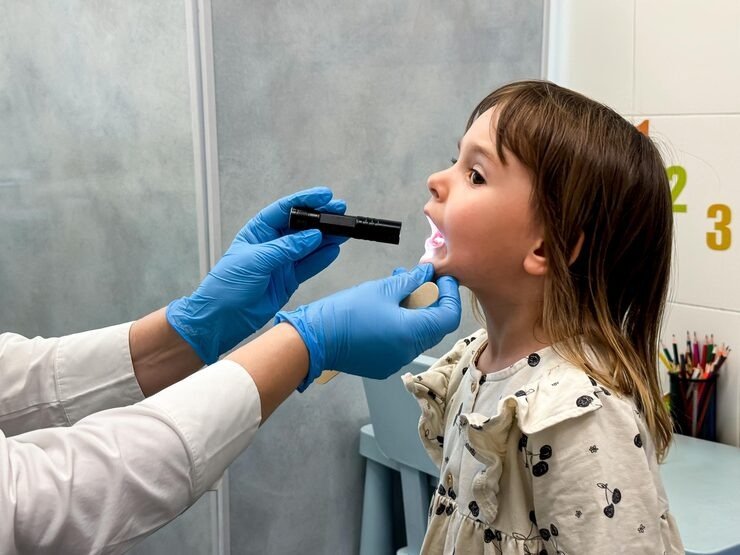



Tongue tie, also known as ankyloglossia, has become an increasingly discussed topic in pediatric and oral healthcare. As more families seek answers for feeding difficulties, speech concerns, and oral function challenges, healthcare providers are expected to have a clear understanding of assessment and treatment options.
Whether you are a dentist, pediatrician, ENT specialist, lactation consultant, or speech-language pathologist, continuing education plays an important role in delivering evidence-based care. A high-quality tongue tie training course can help clinicians improve diagnostic confidence, strengthen interdisciplinary collaboration, and enhance patient outcomes.
Looking Beyond the Frenulum
One of the biggest misconceptions about tongue tie is that diagnosis is based only on appearance. In reality, healthcare providers should evaluate both anatomy and function. A thorough assessment includes tongue mobility, feeding ability, speech development, swallowing patterns, oral posture, and patient symptoms.
This functional approach helps clinicians determine whether a restrictive frenulum is contributing to a patient’s challenges and whether further intervention or referral is appropriate.
The Importance of Professional Education
As research on tethered oral tissues continues to evolve, healthcare providers benefit from ongoing learning opportunities. Modern Professional Tongue Tie Training combines clinical research with practical assessment techniques, helping providers make informed decisions based on each patient’s unique needs.
Educational programs often include topics such as:
- Oral anatomy and physiology
- Functional tongue and lip tie assessment
- Breastfeeding and infant feeding challenges
- Speech and oral motor development
- Interdisciplinary patient care
- Clinical documentation
- Evidence-based treatment planning
For providers interested in procedural education, specialized Laser frenectomy course and frenectomy CE course programs offer additional training in laser safety, patient selection, and post-treatment care.
Why Collaboration Matters
Managing tongue tie often requires a team approach. Dentists, pediatricians, lactation consultants, speech-language pathologists, and myofunctional therapists each contribute valuable expertise throughout the patient’s care journey.
Strong communication between providers helps families receive consistent recommendations while supporting better long-term outcomes. This collaborative model has become an important part of many tongue tie courses and continuing education programs.
Choosing the Right Educational Resources
Not every educational program is the same. Healthcare professionals should look for courses that are evidence-based, taught by experienced clinicians, and supported by current research. Practical case discussions, interdisciplinary learning, and opportunities for continuing education all contribute to a stronger learning experience.
Programs that encourage critical thinking rather than a one-size-fits-all approach help providers deliver individualized, patient-centered care.
Final Thoughts
As awareness of tongue tie and tethered oral tissues continues to grow, so does the need for knowledgeable healthcare professionals. Investing in a tongue tie training course or other continuing education opportunities allows providers to improve their assessment skills, collaborate more effectively with colleagues, and deliver high-quality care based on the latest clinical evidence.
By staying informed and committed to lifelong learning, healthcare providers can better support infants, children, and adults experiencing challenges related to tongue tie while contributing to improved outcomes across multidisciplinary care teams.