
Introduction
Parkinson’s disease is a progressive neurological condition that affects movement, balance, coordination, and muscle control. While there is currently no cure, early rehabilitation can significantly improve mobility, independence, and overall quality of life. Symptoms such as tremors, muscle stiffness, slow movement, poor posture, and balance difficulties can make everyday activities increasingly challenging if left unmanaged.
Physiotherapy plays a vital role in helping people with Parkinson’s disease remain active and independent. A personalised rehabilitation programme focuses on improving strength, flexibility, balance, walking ability, and confidence. Research also shows that regular exercise and physiotherapy can help maintain mobility and slow the progression of movement-related symptoms when started early.
Understanding Parkinson’s Disease
Parkinson’s disease develops when nerve cells in the brain that produce dopamine gradually become damaged. Dopamine is essential for controlling smooth, coordinated body movements. As dopamine levels decrease, movement becomes slower and less controlled.
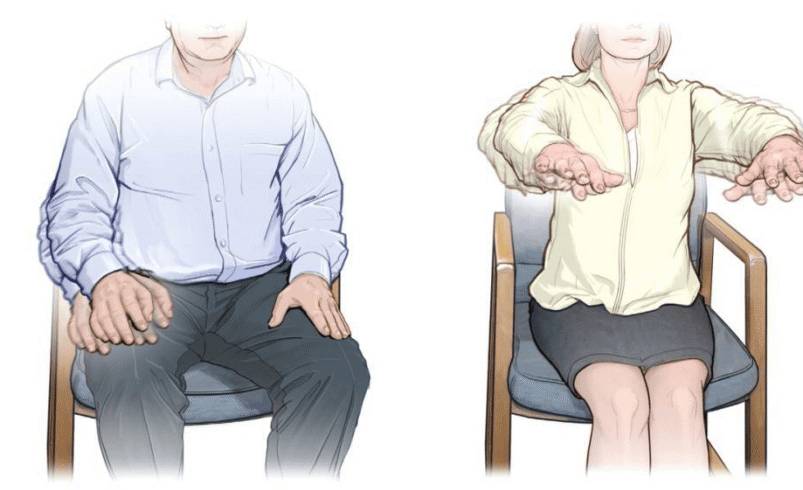
Common symptoms include:
- Tremors, especially when resting.
- Muscle stiffness.
- Slow movement (bradykinesia).
- Poor balance.
- Shuffling walk.
- Difficulty turning or changing direction.
- Reduced facial expression.
- Fatigue and reduced endurance.
Many people seek Physiotherapy in Edinburgh soon after diagnosis to maintain mobility and address movement changes before they begin to interfere with everyday life.
Understanding the condition allows physiotherapists to develop a treatment programme tailored to each individual’s symptoms and personal goals.
Improving Walking and Mobility
Walking often becomes slower and less stable as Parkinson’s disease progresses. Some people experience freezing of gait, where the feet temporarily feel as though they are stuck to the floor, increasing the risk of falls.
Physiotherapists providing Physiotherapy in Edinburgh assess walking patterns and use evidence-based techniques such as gait retraining, cueing strategies, posture correction, and functional movement exercises to improve walking efficiency and confidence.
Treatment may include:
- Walking practice.
- Step-length training.
- Turning exercises.
- Posture correction.
- Functional mobility training.
- Outdoor walking practice.
Improving walking ability helps individuals remain independent and safely participate in daily activities.
Building Strength and Flexibility
Muscle stiffness and weakness commonly develop with Parkinson’s disease, making everyday movements more difficult. Tight muscles can reduce flexibility, limit joint movement, and contribute to discomfort.
A personalised Physiotherapy in Edinburgh programme includes stretching exercises, resistance training, and mobility exercises that target the muscles most affected by Parkinson’s disease.
Benefits include:
- Improved flexibility.
- Better posture.
- Increased muscle strength.
- Easier movement.
- Reduced muscle stiffness.
- Improved joint mobility.
Regular strengthening exercises support better movement and help patients remain active for longer.
Improving Balance and Preventing Falls
Loss of balance is one of the most challenging symptoms of Parkinson’s disease. Poor balance increases the likelihood of falls, which can lead to serious injuries and reduced confidence.
Many patients choose Physiotherapy in Edinburgh to improve stability through structured balance training, coordination exercises, and functional movement practice that safely challenges the body’s balance systems.
Balance rehabilitation may include:
- Standing balance exercises.
- Weight-shifting activities.
- Single-leg balance practice.
- Functional reaching exercises.
- Walking over obstacles.
- Direction-changing drills.
Better balance allows patients to move more confidently both indoors and outdoors.
Enhancing Everyday Function
Parkinson’s disease can make everyday tasks such as getting out of bed, standing from a chair, dressing, climbing stairs, and carrying shopping increasingly difficult.
A physiotherapist providing Physiotherapy in Edinburgh designs rehabilitation exercises that closely match everyday activities, helping patients improve functional movement and maintain independence.
Treatment focuses on:
- Sit-to-stand practice.
- Bed mobility.
- Stair climbing.
- Turning safely.
- Functional reaching.
- Everyday movement strategies.
Improving daily function helps individuals remain independent while reducing reliance on caregivers.
Home Exercise and Long-Term Management
Parkinson’s disease requires ongoing management rather than short-term treatment. Consistent exercise is one of the most effective ways to maintain movement, reduce stiffness, and preserve independence.
Physiotherapists offering Physiotherapy in Edinburgh provide personalised home exercise programmes designed around each patient’s abilities, lifestyle, and stage of the condition.
Home programmes may include:
- Daily stretching.
- Walking exercises.
- Strength training.
- Balance activities.
- Posture correction.
- Breathing exercises.
Following these exercises regularly helps maintain progress achieved during physiotherapy sessions and supports long-term mobility.
When Should You Start Physiotherapy?
Many people believe physiotherapy is only necessary during the later stages of Parkinson’s disease. In reality, early intervention provides the greatest benefits. Beginning rehabilitation soon after diagnosis allows physiotherapists to identify subtle movement changes, improve physical fitness, and establish healthy exercise habits before significant mobility problems develop.
If you experience tremors, stiffness, slower walking, balance difficulties, or reduced confidence in movement, Physiotherapy in Edinburgh can provide an individual assessment and treatment plan tailored to your needs.
Early physiotherapy often helps people stay active, independent, and confident for many years.
Conclusion
Parkinson’s disease affects every individual differently, but physiotherapy remains one of the most effective ways to manage its physical symptoms. Through targeted exercises, balance training, strength development, posture correction, and walking rehabilitation, physiotherapy helps people improve mobility and maintain their independence.
Choosing Physiotherapy in Edinburgh gives patients access to personalised rehabilitation programmes designed to improve movement, reduce stiffness, prevent falls, and support long-term quality of life. Combined with regular exercise, medical care, and ongoing professional guidance, physiotherapy enables many people living with Parkinson’s disease to continue enjoying active and fulfilling lives.