

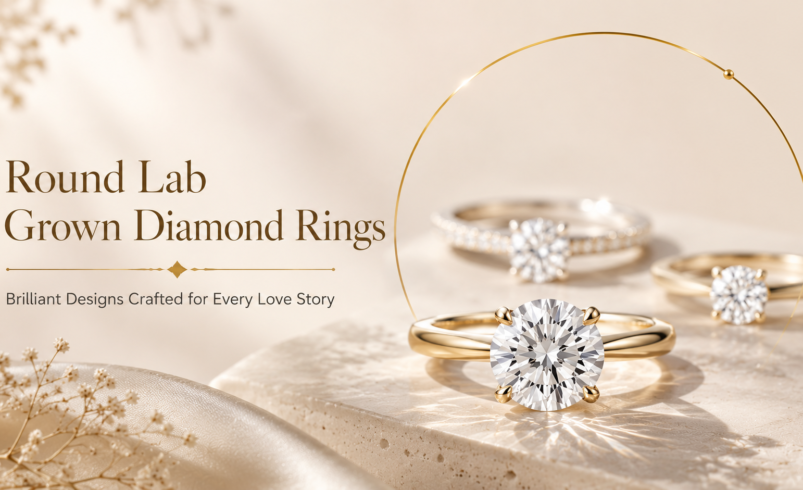

Buying an engagement ring can be exciting, but it can also involve more decisions than expected. Once you start browsing, you may find yourself comparing diamond sizes, settings, metals, prices, and dozens of small design details.
The problem is that two rings can look similar in a photograph while being quite different in their specifications.
Instead of judging a ring from one feature, it makes sense to compare the complete piece. The diamond matters, but so do the setting, band, comfort, price, and information provided with the purchase.
A simple comparison process can help you avoid making a decision based only on the first design that catches your attention.
Start With the Diamond Shape
The center diamond is usually the first detail people notice.
Round diamonds have a balanced outline and can be paired with many different settings. A round diamond engagement ring can be built as a simple solitaire or combined with side stones, a halo, or a detailed band.
When comparing round cut diamond rings, look at how the center diamond relates to the rest of the ring. Band width, metal color, setting height, and surrounding stones can all change the overall appearance.
If you are buying the ring as a surprise, consider the recipient’s current jewelry. The styles they already wear can tell you a lot about their preferences.
Compare the Setting With the Way the Ring Will Be Worn
A setting does more than hold the diamond in place. It affects the height, comfort, and appearance of the ring.
Someone who works with their hands may prefer a lower setting. A person who enjoys detailed jewelry may be comfortable with a more decorative design.
A round cut lab grown diamond ring can be paired with different setting styles, giving you room to match the ring to the wearer’s daily routine.
Think about the band too. A thin band may suit someone who prefers lightweight jewelry, while a wider band can create a stronger appearance.
Understand the Diamond Information
Diamond specifications can seem technical at first, but the basic terms are straightforward.
Carat refers to weight. Color describes the amount of body color visible in a diamond. Clarity refers to internal and external characteristics, while cut relates to the diamond’s proportions and finish.
These factors should be compared together.
A larger diamond is not automatically the best option. A smaller stone with suitable proportions may work better with a particular setting and budget.
If you are considering a buy Antique Cut round cut lab grown engagement ring, look at the grading information and individual specifications before deciding.
Consider Whether a Lab-Grown Diamond Fits Your Plans
Lab-grown diamonds are created in controlled laboratory environments and have the same basic chemical composition as naturally formed diamonds.
They are another option for shoppers deciding what kind of diamond they want for an engagement ring.
A round lab grown diamond engagement ring can be designed in many ways. It can have a single center stone, a halo, side stones, or a more detailed band.
The same comparison process still applies. Review the diamond specifications, setting, metal, ring size, certification, and purchase terms.
Before placing an order, check whether resizing is available and understand the return and warranty policies.
Compare Simple Designs With Halo Settings
The amount of detail around the center diamond can have a major effect on the ring.
A solitaire has a straightforward structure. A side-stone setting adds diamonds along the band. A halo surrounds the center with smaller stones.
For shoppers who prefer more detail, round halo engagement rings can be worth considering.
A halo can also influence the visual size of the center diamond. The surrounding stones create a frame that can make the center appear broader.
However, the result depends on the proportions of the halo and center stone.
Look at the Halo From More Than One Angle
When comparing round cut halo engagement rings, examine more than the front view.
Look at the side profile and consider how high the setting sits above the finger. Think about how the ring may feel during everyday activities and whether a wedding band will fit alongside it.
You can explore round cut halo engagement rings to compare different halo sizes, center stones, band styles, and metals.
A halo with very small surrounding stones will create a different appearance from one using larger diamonds. The band may also include additional stones, adding another layer of detail.
Keep Your Budget in View
It is easy to become focused on one particular ring and forget about the original budget.
Set your spending limit before choosing a design. Then consider how the money is distributed between the center diamond, setting, metal, additional stones, and other services.
If you plan to buy round lab grown diamond rings, compare the complete price rather than looking only at the center diamond.
Two rings with similar center stones can have different prices because of the setting and additional materials.
The right purchase is not necessarily the least expensive option. It is the one that provides the features you actually value without pushing your budget too far.
Shop Online With a Comparison List
Online shopping can make it easy to look at many rings, but having too many choices can make the final decision harder.
If you want to shop round lab grown diamond rings online, create a short comparison list.
For each ring, note the diamond specifications, setting, metal, band width, available sizes, price, certification, return policy, warranty, and shipping details.
This gives you something concrete to compare rather than relying on memory.
It also makes it easier to spot differences between rings that initially appear very similar.
Don’t Judge the Ring Only by Carat
Carat weight is an important measurement, but it does not tell you everything about the finished ring.
The diamond’s proportions and the setting can affect how large it appears. A halo can create a wider frame around the center, while a narrow band can make the center stone appear more prominent.
When comparing round cut lab made diamond rings, consider the complete design.
The same is true when reviewing round cut lab grown diamond rings. Look at the relationship between the center stone, surrounding diamonds, band, and metal.
A balanced design may suit you better than simply choosing the largest diamond available.
Think About What the Recipient Likes
A ring can be technically impressive and still be the wrong choice for the person who will wear it.
Consider their current jewelry. Do they prefer simple pieces or detailed designs? Do they usually wear one type of metal? Are their rings narrow or wide?
These clues can help you narrow your choices.
For someone interested in a laboratory-created round diamond, a lab grown round diamond engagement ring can be adapted to different preferences.
When searching for the best round lab grown diamond rings, remember that “best” depends on individual priorities. One person may value the center diamond most, while another may care more about comfort, setting, price, or metal.
Review the Details Before Ordering
Once you have a shortlist, take another look at the product information.
Check the diamond specifications, ring size, metal, setting, certification, return conditions, warranty, and any customization options.
If you want to read more round cut lab grown diamond rings, compare the individual designs and their specifications before making the final choice.
A round lab grown diamond ring can range from a simple solitaire to a detailed halo design. A lab grown round diamond ring can also be paired with different metals, bands, and additional stones.
For shoppers interested in this collection, Antiquecut provides round lab-grown diamond ring designs to browse.
Make the Comparison Work for You
Choosing an engagement ring becomes easier when you stop trying to compare everything at once.
Start with the diamond shape, then look at the setting, comfort, diamond specifications, budget, and purchase terms. Once those factors are clear, many designs can be eliminated quickly.
The goal is not to find the ring that looks most impressive in a photograph. It is to find one that fits the person, their daily life, and the budget you have set.
Take your time, make a shortlist, compare the details, and choose based on the qualities that genuinely matter to you. That approach can make the entire shopping experience more straightforward and much less stressful.