

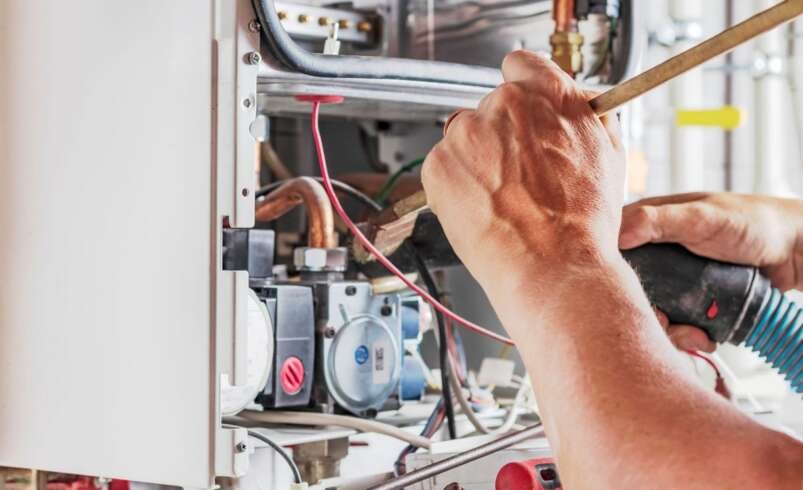

Choosing the right boiler is an important decision for any Sheffield homeowner. A modern heating system can provide reliable hot water, improve energy efficiency and make a property more comfortable throughout the colder months. However, getting the best results depends on more than simply purchasing a new boiler. Correct sizing, professional installation, suitable controls, safety checks and ongoing maintenance all play an important role in the performance and lifespan of a heating system.
Homeowners often have different requirements depending on the size of their property, the number of bathrooms, household demand and the existing heating system. A small flat may require a different solution from a large family home with several radiators and bathrooms. Understanding the available options can therefore make it easier to choose a heating system that suits both current and future needs.
For anyone considering a new heating system, professional boiler Installation services in Sheffield can provide a practical solution. Experienced heating professionals can assess the property, recommend an appropriate system and ensure the installation is completed safely and correctly. This guide explains what homeowners should know before arranging a new boiler installation, from choosing the right type of boiler to understanding installation, efficiency and aftercare.
Why Professional Boiler Installation Matters
A boiler is a major component of a property’s heating and hot water system. Although the equipment itself is important, the quality of installation can have a significant effect on its operation. Incorrect installation can result in inefficient heating, unnecessary energy consumption, poor water temperature or safety concerns.
Professional installation involves much more than connecting a new appliance. A qualified heating engineer needs to consider the existing pipework, flue arrangement, water pressure, heating controls and location of the boiler. They also need to ensure that the system operates correctly after installation.
Correct System Assessment
Before recommending a boiler, a professional should assess the property’s heating requirements. Factors such as property size, insulation, number of radiators and hot water demand can influence the appropriate boiler output.
Oversizing a boiler may increase unnecessary energy consumption, while an undersized system may struggle to provide sufficient heating and hot water. A proper assessment helps create a more balanced and efficient heating system.
Safety and Compliance
Gas and heating systems must be installed according to relevant safety requirements. Professional engineers understand the necessary installation procedures and safety checks required when working with gas appliances.
Once installation is complete, the system should be tested carefully. This helps identify potential problems before the homeowner begins relying on the new boiler.
Choosing the Right Type of Boiler
Different properties require different heating solutions. Modern boilers are available in several configurations, with combi, system and conventional boilers being common options for domestic properties.
The best choice depends on household requirements rather than simply selecting the newest or most powerful appliance.
Combi Boilers
Combination boilers, commonly known as combi boilers, provide heating and hot water directly from the boiler without requiring a separate hot water storage cylinder. This makes them particularly useful for many smaller and medium-sized homes.
One of their main advantages is that they can provide hot water when required. They can also save space because there is no need for a separate hot water cylinder in many installations.
However, households with very high simultaneous hot water demand may need to consider whether a combi boiler is suitable for their needs.
System Boilers
System boilers work with a hot water cylinder and are often suitable for larger households with greater hot water requirements. They can supply multiple outlets more effectively than some smaller systems when properly designed.
Because a hot water cylinder is required, system boilers generally need more installation space than combi boilers. Nevertheless, they can be a practical choice for homes where several people may need hot water around the same time.
Conventional Boilers
Conventional boilers, sometimes called regular or heat-only boilers, are generally used with a hot water cylinder and cold-water storage system. They can be suitable for properties with existing traditional heating arrangements.
Replacing an existing system with a different boiler type is not always necessary. In some circumstances, keeping a similar configuration can make installation more straightforward, although a professional assessment should always determine the most appropriate option.
Understanding Boiler Size and Heating Requirements
Boiler output is usually measured in kilowatts. Selecting an appropriate output is important because the boiler needs to generate enough heat for the property’s requirements without being unnecessarily oversized.
Property Size Is Not the Only Factor
The number of rooms alone does not determine the correct boiler size. A professional assessment can consider the property’s insulation, number of radiators, hot water demand, room layout and existing heating system.
For example, a well-insulated property may require less heating output than a similarly sized building with poor insulation. Similarly, a household with multiple bathrooms may have different hot water requirements from a smaller household.
Avoiding Unnecessary Oversizing
A larger boiler is not automatically better. Excessive capacity can result in inefficient cycling, where the appliance repeatedly starts and stops instead of operating efficiently.
Modern heating systems can often benefit from appropriate sizing and effective controls. A professional installer can help determine the output that best matches the property’s requirements.
What to Expect During a Boiler Installation
Understanding the installation process can help homeowners prepare for the work. The exact process depends on whether the project involves replacing an existing boiler, relocating the appliance or installing a completely new system.
Initial Inspection
The installation normally begins with an assessment of the existing heating system. The engineer may inspect the boiler location, pipework, flue, heating controls and other relevant components.
This stage helps identify potential installation requirements before work begins.
Removal of the Existing Boiler
When replacing an old boiler, the existing appliance is carefully disconnected and removed. The engineer may also inspect the surrounding pipework for signs of deterioration or previous installation problems.
If other components require replacement or upgrading, the homeowner should be informed before additional work is undertaken.
Installing the New System
The new boiler is positioned according to the manufacturer’s requirements and relevant safety considerations. Connections are then made to the heating, hot water, gas and electrical systems as appropriate.
The flue system is also installed correctly because it plays an important role in safely removing combustion gases.
Testing and Commissioning
After installation, the heating system should be tested thoroughly. The engineer checks the boiler’s operation, heating controls, pressure and hot water performance.
The system should also be explained to the homeowner so they understand how to operate the controls and adjust the heating according to their requirements.
Benefits of Modern Boiler Installation
Replacing an old or inefficient boiler can provide several practical advantages. Although the exact benefits vary between properties, a modern heating system can improve reliability, comfort and energy management.
Improved Heating Performance
A properly installed modern boiler can provide more consistent heating and hot water. Better controls can also allow homeowners to manage heating schedules according to their daily routines.
This can be particularly useful during colder Sheffield weather when reliable heating becomes essential.
Better Energy Management
Modern heating technology can work more efficiently when correctly sized and controlled. Programmable thermostats, smart controls and temperature settings can help households manage energy use more effectively.
However, efficiency does not depend solely on the boiler. Insulation, radiator performance, heating controls and household habits also contribute to overall energy consumption.
Greater Reliability
An ageing boiler may experience repeated breakdowns or require increasingly frequent repairs. Installing a new system can reduce the likelihood of problems associated with worn components, particularly when the replacement is professionally installed and maintained.
For homeowners researching boiler Installation services in Sheffield, reliability should be considered alongside initial installation cost.
Boiler Installation Costs and What Affects Them
The price of a boiler installation can vary significantly. There is no single cost that applies to every property because each installation has different requirements.
Boiler Type and Specification
The type, size and specification of the boiler can affect the overall price. Additional features, advanced controls and different system configurations may also influence the final cost.
Installation Complexity
A straightforward replacement in the same location may require less work than relocating a boiler or changing from one heating system type to another.
Additional pipework, flue alterations, system upgrades or new controls can increase installation requirements.
Additional Components
A new boiler installation may involve replacing or upgrading other components. Depending on the condition of the existing system, this could include heating controls, pipework, filters or other related equipment.
Homeowners should request a clear quotation that explains what is included before approving the work.
How to Choose a Reliable Heating Installer
Selecting a suitable installer is just as important as choosing the boiler itself. Homeowners should look for professionals with relevant qualifications, experience and knowledge of domestic heating systems.
Check Relevant Qualifications
Gas boiler work should be carried out by an appropriately qualified professional. Homeowners should check the engineer’s relevant credentials before allowing work to begin.
It is also sensible to ask whether the installer has experience with the specific boiler brand and system being considered.
Look at Reviews and Reputation
Customer reviews can provide useful information about an installer’s communication, workmanship and reliability. However, homeowners should consider several sources rather than relying on a single review.
A strong local reputation, transparent quotations and clear communication can all be positive indicators.
Ask for a Detailed Quotation
A quotation should clearly explain the proposed boiler, installation work and any additional components. It should also identify whether services such as testing, commissioning and removal of the old appliance are included.
Clear pricing helps homeowners compare options more effectively and reduces the risk of unexpected charges.
Maintaining a Newly Installed Boiler
A new boiler should not simply be installed and forgotten. Regular maintenance can help identify potential problems early and support reliable operation.
Annual Servicing
Regular servicing allows a qualified engineer to inspect the boiler and identify signs of wear or potential faults. It can also help ensure that the appliance continues operating safely.
Homeowners should follow the manufacturer’s recommendations and arrange servicing through an appropriately qualified professional.
Monitor Boiler Performance
Changes in boiler performance can sometimes indicate an underlying issue. Unusual noises, repeated pressure loss, inconsistent hot water or frequent shutdowns should not be ignored.
Addressing problems early can prevent minor faults from developing into more significant heating issues.
Keep Heating Controls Updated
Modern heating controls can help homeowners manage temperatures and schedules more effectively. Learning how to use thermostats, timers and other controls can improve comfort while helping households avoid unnecessary heating.
Common Mistakes to Avoid
Homeowners can make several mistakes when arranging a new boiler installation. Avoiding these problems can lead to better long-term results.
Choosing Based Only on Price
The cheapest installation is not necessarily the best option. Poor workmanship or an unsuitable boiler can create additional costs later.
Instead, homeowners should consider the boiler’s suitability, installation quality, warranty, engineer qualifications and aftercare.
Selecting an Incorrect Boiler Size
Choosing a boiler based only on property size or sales recommendations can result in an unsuitable system. Professional assessment is important for determining the appropriate output.
Ignoring Existing Heating Problems
Installing a new boiler will not automatically resolve every heating issue. Problems with radiators, pipework, water pressure or controls may continue unless they are identified and addressed during installation.
Failing to Understand the Controls
Even an efficient boiler can be used inefficiently if the homeowner does not understand its controls. Installers should explain basic operation and provide relevant documentation after commissioning.
Why Local Knowledge Can Be Valuable
Local heating professionals can understand common requirements associated with properties in the Sheffield area. Different homes can have different ages, layouts, heating configurations and installation challenges.
For homeowners searching for boiler Installation services in Sheffield, choosing a professional who understands local residential properties can make the installation process easier. Local service providers may also be better positioned to offer ongoing maintenance and support after installation.
Preparing Your Home for Boiler Installation
A little preparation can make installation day more straightforward. Homeowners should clear access to the existing boiler and any areas where the engineer needs to work.
Provide Clear Access
Removing unnecessary items from around the boiler can help engineers work safely and efficiently. If the boiler is located in a cupboard or restricted space, the homeowner should ensure that access is available before the appointment.
Discuss Relocation in Advance
If the homeowner wants the boiler moved to another location, this should be discussed during the quotation stage. Relocation may involve additional pipework, electrical work, flue requirements and other considerations.
Ask Questions Before Work Starts
Homeowners should feel comfortable asking questions about the installation process, expected duration, warranty and system operation. Clear communication at the beginning can help avoid misunderstandings later.
Long-Term Value of a Proper Installation
A boiler is an important investment in a home, so installation quality should be considered from a long-term perspective. A correctly selected and professionally installed system can provide dependable heating and hot water for many years when appropriately maintained.
The initial installation should also be viewed as part of a wider heating strategy. Good insulation, effective controls, regular servicing and sensible heating habits can all contribute to better overall performance.
For households considering a replacement, boiler installation services in Sheffield can provide an opportunity to improve the reliability and efficiency of an existing heating system while addressing problems associated with older equipment.
Conclusion
Installing a new boiler is a significant home improvement decision that requires careful planning. The right system should match the property’s heating and hot water requirements, while the installation itself should be completed by a suitably qualified professional. From choosing the correct boiler type and output to checking the existing pipework, installing appropriate controls and commissioning the system correctly, every stage can influence long-term performance.
Homeowners should avoid making decisions based purely on price. Instead, they should consider professional qualifications, installation quality, equipment suitability, transparent quotations, customer feedback and ongoing maintenance. A properly planned heating system can provide dependable comfort while helping households manage energy use more effectively.
When comparing local installation options, homeowners should choose a service provider that places safety, workmanship, clear communication and customer satisfaction at the centre of the project. For dependable heating solutions and professional support, FH Plumbing & Gas Installations can help Sheffield homeowners make informed decisions about their heating systems and installation requirements.