

Running a restaurant involves much more than preparing quality food and providing excellent customer service. Cleanliness plays a central role in food safety, customer confidence, staff wellbeing and the overall reputation of a hospitality business. From dining areas and kitchens to washrooms, storage spaces and high-touch surfaces, every part of a restaurant needs a consistent and carefully planned cleaning routine.
For restaurants in Leeds, maintaining high standards can be particularly important because customers have plenty of choices when deciding where to eat. A clean environment can influence first impressions, online reviews and repeat visits. At the same time, restaurant operators need to manage busy service periods, food preparation, staff responsibilities and regular maintenance without allowing cleaning standards to decline.
Professional restaurant cleaning Leeds services can help hospitality businesses establish structured cleaning routines that address visible dirt as well as less noticeable areas where grease, bacteria, food residue and dust can accumulate. A well-organised approach combines daily cleaning with scheduled deep-cleaning tasks, helping restaurants maintain a hygienic environment throughout the year.
Why Restaurant Cleanliness Matters
Cleanliness is directly connected to the customer experience. People expect tables, floors, toilets and dining areas to look clean whenever they visit a restaurant. However, professional cleaning should go beyond what customers can immediately see.
Creating a Positive Customer Experience
Customers often form an opinion about a restaurant before tasting the food. Clean tables, spotless floors, fresh-smelling washrooms and well-maintained entrances can create a positive first impression.
In contrast, dirty floors, stained furniture, overflowing bins or neglected toilets may make customers question the overall standards of the establishment. Even when the food is excellent, poor cleanliness can influence reviews and discourage customers from returning.
Supporting Food Hygiene
Restaurant kitchens contain several potential sources of contamination. Food particles, grease, moisture and waste can create conditions where unwanted microorganisms may develop if surfaces are not cleaned correctly.
A suitable cleaning programme should therefore cover preparation areas, worktops, equipment exteriors, sinks, floors, storage areas and frequently touched surfaces. Cleaning should also be organised around food preparation activities to reduce the risk of cross-contamination.
Protecting Staff and Visitors
A clean workplace can contribute to a safer environment for employees and customers. Greasy kitchen floors may increase slip risks, while cluttered areas can make movement more difficult.
Regular cleaning and proper waste management can help maintain safer working conditions. This is especially important in busy kitchens where staff are constantly moving between preparation, cooking, storage and serving areas.
Key Areas That Require Regular Restaurant Cleaning
A restaurant contains many different environments, and each area has its own cleaning requirements. A reliable programme should consider the purpose and usage of every space rather than applying exactly the same process everywhere.
Commercial Kitchen Areas
The kitchen usually requires the most intensive cleaning because it experiences constant food preparation, heat, moisture and grease.
Important areas include:
- Food preparation surfaces
- Worktops and counters
- Sinks and taps
- Cooking equipment exteriors
- Floors and wall surfaces
- Cupboards and storage areas
- Handles and switches
- Waste disposal areas
- Refrigeration equipment exteriors
Grease should not be allowed to build up over time because accumulated deposits can become increasingly difficult to remove. Regular cleaning makes maintenance more manageable and helps prevent neglected areas from becoming heavily contaminated.
Dining and Customer Areas
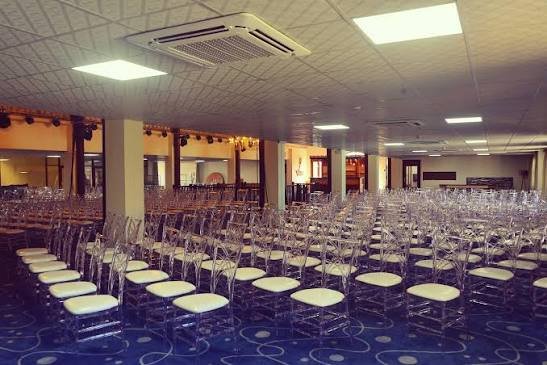
Dining areas directly affect the customer experience. Tables and chairs should be cleaned regularly, while floors should be maintained according to their material and level of traffic.
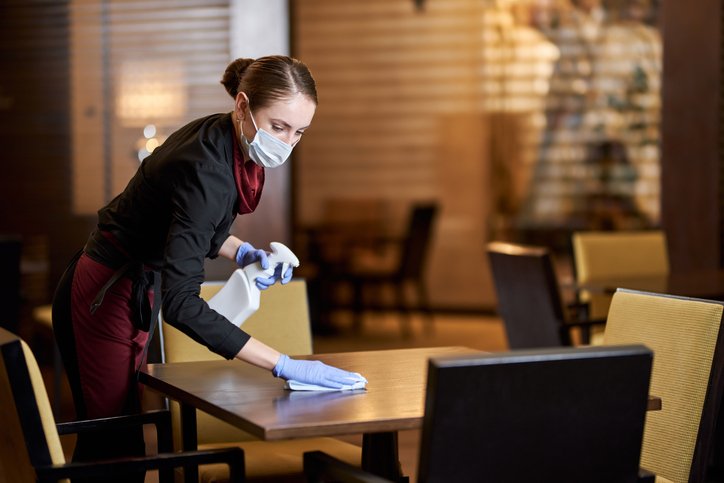
High-touch points deserve particular attention. Door handles, menus, payment areas, chair backs and other frequently handled surfaces can require repeated cleaning during busy operating periods.
Restaurant Washrooms
Washrooms can have a significant effect on customer perceptions. Cleaning should include toilets, sinks, taps, mirrors, floors, doors and other touchpoints.
Consumables such as hand soap, toilet paper and paper towels should also be checked regularly. A clean and properly stocked washroom communicates attention to detail and contributes to a more comfortable customer experience.
Entrance and External Areas
The entrance is often the first physical part of a restaurant that customers encounter. Windows, doors, entrance flooring and surrounding areas should therefore form part of the overall maintenance plan.
Removing dirt, litter and debris from entrances can help create a more professional appearance and prevent outdoor contaminants from being carried into the restaurant.
Daily Cleaning Versus Deep Cleaning
An effective cleaning strategy normally combines routine daily tasks with deeper scheduled work. Relying exclusively on one approach can leave certain areas neglected.
Daily Cleaning Tasks
Daily cleaning commonly includes:
- Wiping and sanitising food-contact surfaces
- Cleaning tables and chairs
- Sweeping and mopping floors
- Emptying waste bins
- Cleaning washrooms
- Wiping frequently touched surfaces
- Cleaning visible spills
- Maintaining kitchen work areas
- Checking entrances and customer spaces
The exact schedule should depend on the size of the restaurant, opening hours, customer volume and type of food preparation.
Deep Cleaning Tasks
Deep cleaning focuses on areas that may not need attention after every service but can accumulate dirt over time.
Examples include:
- Detailed floor cleaning
- Cleaning behind and underneath movable equipment
- Degreasing suitable kitchen surfaces
- Cleaning walls and splash areas
- Detailed washroom cleaning
- Cleaning storage areas
- Removing accumulated residue
- Cleaning less accessible fixtures and surfaces
Scheduling these tasks prevents hard-to-reach areas from being forgotten.
Choosing the Right Cleaning Methods
Different surfaces require different cleaning approaches. Using unsuitable products or techniques can damage materials and create additional maintenance costs.
Surface-Specific Cleaning
Tiles, stainless steel, glass, painted surfaces, wood and specialist flooring may all require different products and cleaning methods. Professional cleaners should understand the characteristics of the materials they are working with.
For example, abrasive products may damage certain finishes, while excessive moisture can affect some flooring and furniture materials. Following appropriate cleaning procedures helps protect the restaurant as well as improving hygiene.
Cleaning Equipment
Professional equipment can make demanding cleaning tasks more efficient. Depending on the restaurant, equipment may include commercial vacuum cleaners, floor-cleaning machines, microfiber systems, specialist brushes and other appropriate tools.
However, equipment alone does not guarantee good results. Proper procedures, suitable products and trained staff are equally important.
Benefits of Professional Cleaning Support
Managing cleaning internally can be challenging for restaurants with busy schedules. Staff may already have responsibilities related to food preparation, customer service and closing procedures.
Professional restaurant cleaning Leeds support can provide a structured approach to maintaining hygiene while allowing restaurant employees to concentrate on their primary responsibilities.
Consistent Cleaning Standards
A professional cleaning team can work according to a defined schedule and checklist. This makes it easier to identify which areas need attention and when specific tasks should be completed.
Consistency is particularly valuable for businesses that operate throughout the week because standards should not depend entirely on how busy a particular shift happens to be.
Better Time Management
Cleaning can require considerable time, particularly after a busy service. Outsourcing appropriate cleaning responsibilities can allow restaurant employees to focus on hospitality and operational duties.
This can also make closing routines more organised when cleaning responsibilities are clearly divided.
Improved Appearance
Professional cleaning can help maintain floors, dining areas, washrooms and other visible spaces. A consistently clean appearance can support a restaurant’s professional image and contribute to positive customer perceptions.
CleanVerge provides cleaning support designed around the practical requirements of commercial environments, helping businesses approach routine and detailed cleaning in a structured way.
Building an Effective Restaurant Cleaning Schedule
A cleaning schedule should be practical, measurable and suited to the restaurant’s daily operations. Rather than creating a generic checklist, managers should identify the specific areas and tasks relevant to their premises.
Before Opening
Before customers arrive, staff can check dining areas, entrances, washrooms and other customer-facing spaces. Kitchen preparation areas should also be inspected to ensure they are ready for service.
This is an opportunity to identify issues left from the previous operating period and address them before customers enter.
During Service
Cleaning should continue throughout service rather than being treated as a single task performed at the beginning or end of the day.
Spills should be dealt with promptly, tables should be cleared and cleaned between customers, bins should be monitored and washrooms should be checked regularly.
After Closing
The closing routine can include floor cleaning, kitchen-area cleaning, waste removal, surface cleaning and preparation for the next operating day.
A documented checklist can help staff confirm that essential tasks have been completed.
How Cleaning Can Support Restaurant Reputation
Online reviews have become an important part of the modern hospitality industry. Customers can quickly share their experiences with other people, and cleanliness may form part of those reviews.
Restaurant operators should therefore consider cleaning as part of reputation management rather than simply an operational task.
Customer Reviews and Perception
A customer who notices dirty tables, unpleasant smells or poorly maintained facilities may mention those issues in a review. Conversely, a clean and comfortable environment can support positive impressions.
While cleaning cannot guarantee positive reviews, maintaining high standards removes one potential source of customer dissatisfaction.
Professional Presentation
A restaurant should ideally present a consistent image across its website, social media, physical premises and customer experience. Clean surroundings reinforce professionalism and attention to detail.
This consistency can be especially valuable for restaurants competing in busy local markets.
Sustainable Cleaning Considerations
Many businesses are becoming more conscious of environmental responsibilities. Restaurants can consider practical ways to reduce unnecessary waste while maintaining appropriate hygiene standards.
Responsible Product Use
Using the correct amount of cleaning product can reduce unnecessary consumption. Products should be selected according to the surface and cleaning requirement rather than simply using stronger chemicals for every task.
Reducing Water Waste
Efficient cleaning methods can help minimise unnecessary water usage. Staff can also be trained to avoid leaving taps running when water is not required.
Responsible Waste Management
Restaurant waste should be handled according to the business’s operational requirements. Separating recyclable materials where appropriate and keeping waste storage areas clean can contribute to a more organised workplace.
What to Look for in a Restaurant Cleaning Company
Restaurant operators should consider several factors when selecting a cleaning provider. Price is important, but it should not be the only consideration.
Experience With Commercial Environments
A cleaning company should understand the demands of busy commercial premises. Restaurant environments require attention to hygiene, timing, high-traffic areas and different types of surfaces.
Flexible Scheduling
Cleaning schedules should fit around restaurant opening hours. Some businesses may require early-morning cleaning, while others may prefer evening or overnight services.
Clear Scope of Work
Before starting a service, restaurant owners should understand what is included. A clear scope can identify cleaning areas, frequency, responsibilities and any additional deep-cleaning requirements.
Reliable Communication
Good communication makes it easier to report issues, adjust schedules and discuss additional requirements. A professional relationship should allow both the restaurant and cleaning provider to understand what is expected.
CleanVerge focuses on practical commercial cleaning requirements, providing businesses with structured cleaning support that can be adapted to the needs of their premises.
Maintaining High Standards Throughout the Year
Cleaning should not be treated as a one-time activity. Restaurants experience changing levels of customer traffic, seasonal demand and different operational pressures throughout the year.
Regular inspections can help identify areas that require additional attention. Managers can also review cleaning schedules when the restaurant changes its opening hours, expands its seating area or introduces new equipment.
Training is another important element. Staff should understand their responsibilities, know which areas require frequent attention and follow suitable procedures for handling spills and waste.
By combining routine cleaning, scheduled deep cleaning, staff awareness and professional support where required, restaurants can create a more consistent approach to maintaining their premises.
Conclusion
Maintaining a clean restaurant requires planning, consistency and attention to detail. From kitchens and dining areas to washrooms, entrances and frequently touched surfaces, every part of a hospitality environment contributes to the overall customer experience. A structured cleaning programme can support hygiene, workplace safety, professional presentation and long-term business reputation.
For restaurants looking for reliable restaurant cleaning Leeds solutions, the right approach should be based on the individual premises, operating schedule, customer volume and cleaning requirements. Regular daily maintenance combined with planned deep cleaning can help prevent neglected areas and maintain a consistently welcoming environment. With professional support from CleanVerge, restaurant owners can give greater attention to their core hospitality operations while maintaining high standards of cleanliness across their premises.