

The Ultimate Guide to Heart Lab-Grown Diamond Rings
Choosing an engagement ring is a personal decision, especially when the goal is to find a design that expresses affection in a meaningful way. A heart-shaped diamond naturally carries a romantic message because its outline is closely associated with love. When that distinctive shape is combined with a lab-grown diamond, couples can explore a variety of designs, sizes, metals, and settings while keeping their preferences and budget in mind.
A heart lab diamond ring can be a beautiful choice for someone who wants an engagement ring with a noticeable personality. The heart cut is less conventional than round or oval shapes, giving the ring a distinctive appearance without losing the traditional connection between diamonds and proposals.
Lab-grown diamonds are created using advanced laboratory processes that reproduce the conditions involved in natural diamond formation. They have the same basic chemical composition and crystal structure as mined diamonds. For shoppers, this means they can compare diamond quality using familiar factors such as cut, color, clarity, and carat weight.
Comparing Heart-Shaped Lab-Grown Options
When shopping for a heart shaped lab grown diamond ring, avoid choosing solely according to carat weight. A slightly smaller stone with stronger proportions and better symmetry may appear more attractive than a larger stone with an uneven outline.
Compare the shape from different angles and, when possible, inspect high-quality images or videos. Look at the center, lobes, cleft, point, and overall balance.
It is also useful to compare the stone with different settings. A heart diamond that looks ideal in a solitaire may have a different visual effect when surrounded by a halo.
Check Out heart lab diamond ring options that match your preferred stone size, setting, metal, and budget before making the final decision.
Understanding the Heart Diamond Shape
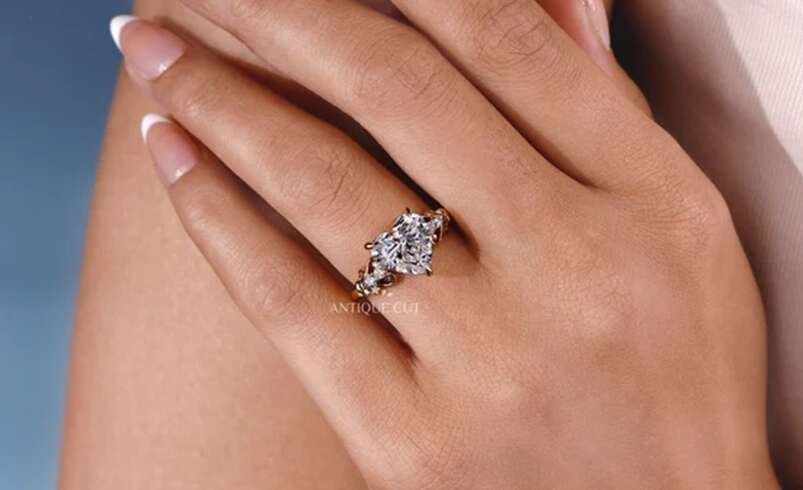
The heart shape is a modified brilliant cut designed to resemble a heart. Its appearance depends heavily on the proportions of the stone and the precision of its cut. A well-proportioned heart diamond should have a recognizable outline, balanced lobes, and a clear point at the bottom.
When browsing a heart shaped diamond engagement ring, pay attention to symmetry. If one side of the heart appears noticeably larger or higher than the other, the stone may look uneven when set into the ring. Symmetry becomes particularly important with heart-shaped diamonds because the outline is one of the main features that attracts attention.
The cleft at the top of the stone also deserves consideration. Some heart diamonds have a deeper separation between the two lobes, while others have a softer and less pronounced cleft. The right choice depends on personal taste.
A heart cut engagement ring can work particularly well for people who want their center stone to remain the main focus. A simple solitaire setting, for example, allows the outline of the diamond to remain highly visible.
Why Consider a Lab-Grown Diamond?
Lab-grown diamonds have become an option for shoppers who want to compare diamond jewelry beyond traditionally mined stones. The production process takes place in a controlled environment, where technology is used to create diamond crystals.
One reason shoppers consider lab-grown stones is the variety of available specifications. Depending on the retailer, buyers may be able to compare different carat weights, colors, clarity grades, and cuts.
For anyone considering a heart shape diamond engagement ring, the ability to compare several stones can be especially useful. Heart diamonds can look quite different from one another even when their carat weights are similar. Looking closely at proportions and overall appearance can help you select a stone that suits the intended setting.
A lab grown heart shaped diamond ring can also be paired with different ring styles. Buyers can select a classic solitaire, a halo design, a three-stone arrangement, or a setting featuring smaller accent diamonds.
Choosing the Right Setting
The setting affects both the appearance and practicality of an engagement ring. Since heart-shaped diamonds have a pointed bottom, protection around the tip is worth considering.
A bezel or protective setting can provide additional coverage around the stone. Prong settings are another popular option because they allow more of the diamond to remain visible.
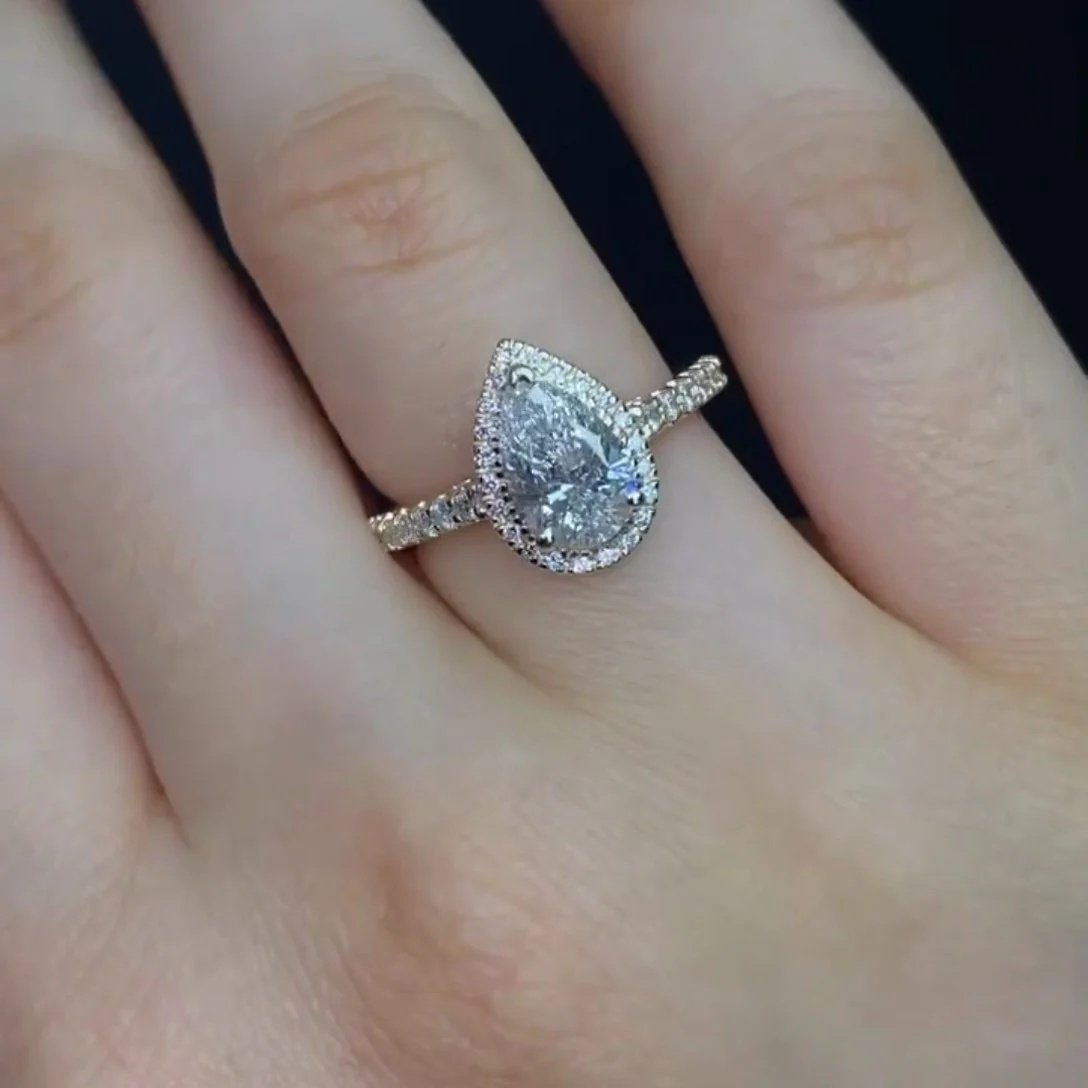
For those who prefer a traditional look, a solitaire setting keeps attention on the center stone. A halo setting surrounds the heart diamond with smaller stones, creating a fuller appearance.
Three-stone designs can also be considered. A heart center stone paired with side diamonds can create a balanced composition while giving the ring additional visual detail.
When comparing heart shaped engagement rings, think about everyday comfort as well as appearance. A setting should sit securely on the finger without catching excessively on clothing or other objects.
Selecting the Right Metal
The metal surrounding the diamond can change the overall character of the ring. Common choices include yellow gold, white gold, rose gold, and platinum.
Yellow gold provides a warm contrast against the diamond. White gold creates a bright, neutral appearance that keeps attention on the center stone. Rose gold has a warmer pink-toned appearance and can give a heart-shaped design a softer visual character.
Platinum is another option for buyers who prefer a durable precious metal with a naturally pale appearance.
There is no single correct metal for a heart cut diamond engagement ring. Consider the wearer’s existing jewelry, preferred color, lifestyle, and personal style before making a selection.
Understanding the Four Cs
Before purchasing a lab-grown diamond, it is useful to understand the four Cs: cut, color, clarity, and carat weight.
Cut
Cut influences how effectively a diamond handles and returns light. With a heart-shaped diamond, cut quality also affects the overall outline and symmetry.
Color
Diamond color is commonly graded on a scale ranging from colorless to stones with more noticeable color. The best choice depends on the metal and the appearance you prefer.
Clarity
Clarity refers to internal characteristics and surface features. Many inclusions are difficult to see without magnification, so buyers should consider how visible they are rather than focusing only on the grade.
Carat Weight
Carat describes the weight of the diamond, not its physical size alone. Two diamonds with the same carat weight can have different face-up appearances depending on their proportions.
When selecting heart cut diamond engagement rings, these four factors should be considered together rather than choosing one grade in isolation.
Checking Diamond Certification
A diamond grading report can provide useful information about the stone’s characteristics. Depending on the diamond and retailer, certification may be available from recognized gemological laboratories.
Review the report carefully to confirm details such as carat weight, color, clarity, measurements, and cut-related information. Matching the report with the actual diamond can also give buyers greater confidence in their purchase.
If you are comparing several heart cut engagement rings, reviewing their documentation can make it easier to understand the differences between individual stones.
Finding the Right Ring Size
Ring sizing should not be overlooked. An engagement ring that is too loose may move around the finger, while one that is too tight can become uncomfortable.
If the proposal is a surprise, finding the correct size can require some creativity. You might discreetly borrow a ring the recipient already wears on the same finger and have its size measured. Another option is to ask a close friend or family member for assistance.
If the exact size cannot be determined before the proposal, ask the jeweler about resizing options before purchasing.
Personalizing the Ring
One of the benefits of choosing a distinctive center shape is the ability to build the rest of the ring around it. Personal touches can include the choice of metal, side stones, engraving, setting style, or band design.
A heart shaped lab created diamond ring can be customized according to the recipient’s preferences. Someone who prefers simple jewelry may appreciate a clean solitaire, while someone who enjoys detailed designs might prefer a halo or accented band.
Engraving can add another personal element. A date, initials, short phrase, or meaningful symbol can turn the inside of the band into a private reminder of an important moment.
Caring for Your Ring
Regular care helps an engagement ring maintain its appearance. Remove the ring when performing activities that could expose it to harsh chemicals, heavy impact, or unnecessary abrasion.
For routine cleaning, use a gentle method recommended by your jeweler. A soft brush and suitable jewelry-cleaning solution can help remove everyday buildup, but avoid using harsh household chemicals.
It is also wise to have the setting inspected periodically. Prongs and other components can become loose with regular wear. Early inspection can help identify issues before a stone becomes at risk.
Store the ring separately from other jewelry when it is not being worn. This reduces the chance of scratches and prevents the piece from becoming tangled with other items.
Making the Final Choice
Buying an engagement ring should involve more than comparing prices or following current fashion preferences. Think about the person who will wear it. Consider their jewelry collection, lifestyle, preferred metal, and reaction to distinctive shapes.
A heart-shaped diamond is already a strong visual statement, so the rest of the ring can either complement that shape quietly or build on it with additional stones and details.
Before purchasing, compare the diamond’s proportions, symmetry, certification, setting, metal, ring size, warranty or return policy, and available customization options.
Antiquecut offers another option for shoppers exploring lab-grown diamond jewelry and distinctive ring designs.
Conclusion
A heart-shaped lab-grown diamond ring combines a recognizable symbol with a diamond option that gives shoppers plenty of flexibility when comparing specifications and designs. From selecting the center stone and metal to choosing the setting and personal details, every part of the ring can contribute to the final look.
Whether you prefer a simple solitaire, a detailed halo, or a personalized band, taking time to compare proportions, quality, comfort, and craftsmanship can help you make a confident decision. The best engagement ring is ultimately the one that feels meaningful to the person wearing it and represents the story behind the proposal.