

A clean school is more than a building that looks tidy. It is an environment where pupils can learn comfortably, teachers can work confidently, and staff can carry out their daily responsibilities in surroundings that are hygienic, organised and well maintained. From classrooms and corridors to washrooms, dining areas and shared facilities, every part of an educational building requires an appropriate cleaning approach.
Schools experience constant movement throughout the day. Hundreds of pupils, teachers, visitors and support staff may use the same doors, desks, staircases, toilets and communal areas. As a result, dust, dirt, food residue and everyday germs can quickly accumulate if cleaning is inconsistent. A structured cleaning programme can therefore contribute to a healthier and more pleasant school environment.
Professional school cleaning birmingham services can provide educational establishments with reliable cleaning routines designed around their individual requirements. Instead of relying on occasional deep cleaning, schools can benefit from planned daily, weekly and periodic tasks that keep important areas under control.
Why Professional School Cleaning Matters
Educational facilities have different cleaning requirements from many other commercial properties. A school is used by people of different ages throughout the day, and some areas may receive significantly more foot traffic than others. For this reason, cleaning should be systematic rather than based solely on visible dirt.
A professional approach considers the size of the premises, number of occupants, opening hours, facilities available and areas that require additional attention.
Supporting a Healthier School Environment
Classrooms and communal spaces can become busy environments where dust and debris accumulate quickly. Regular cleaning helps maintain a fresher indoor environment while reducing the build-up of dirt on frequently used surfaces.
High-touch areas such as door handles, handrails, desks, switches and shared equipment deserve particular attention because they are repeatedly contacted throughout the school day. A consistent cleaning schedule helps ensure these areas are not overlooked.
Creating a Better Learning Atmosphere
The physical environment can influence how comfortable pupils and teachers feel during the school day. Clean classrooms, clear corridors and well-maintained facilities create a more organised atmosphere.
A tidy environment can also help schools present a positive image to parents, visitors and prospective pupils. First impressions matter, particularly when families are visiting a school or attending meetings and events.
Reducing Unnecessary Disruptions
Poorly managed cleaning can interfere with lessons, activities and school operations. Professional cleaners can work around the school’s timetable by completing tasks before school starts, after pupils leave or during agreed periods.
This allows essential cleaning work to take place without unnecessarily interrupting teaching.
Key Areas That Require Regular Cleaning
Every part of a school has its own cleaning demands. A well-planned programme should cover both obvious areas and surfaces that are frequently overlooked.
Classrooms and Teaching Areas
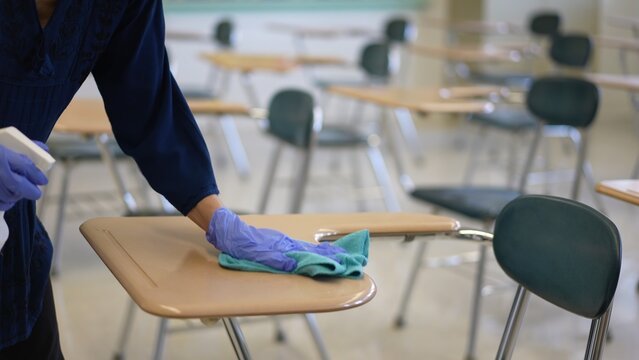
Classrooms require regular vacuuming or mopping, dusting and surface cleaning. Desks, chairs, whiteboards, shelves, windowsills and other commonly used areas can collect dust throughout the day.
Cleaning routines should also account for the arrangement of furniture. Spaces underneath desks and around storage units can easily become neglected without a detailed cleaning checklist.
Corridors, Staircases and Reception Areas
Corridors and staircases often experience heavy foot traffic. Dirt can be brought indoors from outside, particularly during wet weather.
Regular floor cleaning, dust removal and attention to handrails can help maintain these high-use areas. Reception areas also deserve special attention because they are often the first point of contact for visitors.
Toilets and Washroom Facilities
School washrooms require careful and frequent cleaning. Toilets, sinks, taps, mirrors, cubicle surfaces and floors should be maintained according to a suitable schedule.
Cleaning products and methods should be appropriate for each surface, while supplies such as soap, toilet tissue and paper towels should be checked regularly.
Dining Areas and Kitchens
Food preparation and dining spaces require strong hygiene routines. Tables, chairs, floors and frequently touched surfaces can quickly become dirty during meal periods.
Where kitchen facilities are included within the school’s cleaning requirements, the cleaning schedule should clearly identify which areas are covered and which tasks are the responsibility of catering staff.
Sports Halls and Activity Rooms
Sports halls and activity areas can experience significant use. Floors, changing areas, benches, storage spaces and shared surfaces should be incorporated into the cleaning programme.
Because these areas may be used for different activities throughout the week, cleaning schedules can be adjusted according to the school’s timetable.
Building an Effective School Cleaning Programme
A successful cleaning plan should be practical, measurable and suitable for the school’s daily routine. Rather than applying exactly the same schedule to every area, schools can prioritise tasks according to usage and hygiene requirements.
Daily Cleaning Tasks
Daily work may include:
- Vacuuming or mopping floors
- Cleaning classrooms and teaching spaces
- Emptying waste bins
- Cleaning washrooms
- Disinfecting appropriate high-touch surfaces
- Cleaning reception and communal areas
- Removing visible dirt and debris
- Checking entrances and high-traffic areas
- Replenishing agreed washroom supplies
The exact requirements will depend on the school’s size, facilities and usage.
Weekly Cleaning Tasks
Weekly cleaning can address areas that do not necessarily require attention every day. These may include more detailed dusting, cleaning of less frequently used surfaces, additional floor care and attention to storage or furniture areas.
A weekly schedule should complement, rather than replace, daily cleaning.
Periodic Deep Cleaning
Some parts of a school benefit from more detailed cleaning at planned intervals. These tasks may include carpet cleaning, detailed floor treatment, internal glass cleaning, high-level dusting and cleaning behind or underneath movable furniture.
Deep cleaning can be particularly useful during school holidays when larger areas can be serviced without disrupting lessons.
Choosing the Right Cleaning Standards
When selecting a cleaning provider, schools should consider more than price. Reliability, communication, consistency and attention to detail can have a significant impact on the overall service.
Experience With Educational Environments
Cleaning an educational building requires an understanding of how schools operate. A suitable provider should be comfortable working around teaching schedules, safeguarding expectations, staff routines and busy communal areas.
The cleaning team should also understand that different rooms may require different cleaning priorities.
Consistent Staff and Clear Responsibilities
Consistency is important because schools need to know that agreed tasks are being completed regularly. Clear responsibilities and documented cleaning schedules can make it easier to monitor service quality.
Where possible, schools should have a straightforward process for reporting issues or requesting additional attention.
Appropriate Cleaning Equipment
Different surfaces require different approaches. Hard floors, carpets, glass, washroom surfaces and furniture may all require specific cleaning equipment or products.
Professional teams should use suitable equipment and follow manufacturer guidance when cleaning different materials. This helps protect surfaces while supporting effective cleaning results.
Hygiene-Focused Cleaning Practices
A modern school cleaning strategy should focus on hygiene as well as appearance. A room can look clean while frequently touched surfaces still require attention.
High-Touch Surface Management
High-touch points should form an important part of the cleaning routine. Door handles, handrails, switches, taps and other shared contact points may need frequent attention depending on usage.
Prioritising these areas can make a cleaning programme more practical and targeted.
Safe Use of Cleaning Products
Cleaning products should be selected and used responsibly. Staff should follow product instructions, appropriate dilution requirements and safety procedures.
Products should also be stored securely and handled in accordance with the school’s relevant safety arrangements.
Waste Management
Waste bins throughout classrooms, offices, toilets and communal areas should be emptied according to usage. Overflowing bins can create unpleasant conditions and make a building appear poorly maintained.
A planned waste routine helps prevent these problems while keeping cleaning operations organised.
Cleaning Around the School Timetable
Schools rarely operate like conventional offices. Lessons, assemblies, examinations, clubs, sports activities and events can all affect when cleaning work can be completed.
Before and After School Cleaning
Many schools prefer substantial cleaning activities to take place outside teaching hours. Early morning or after-school cleaning can allow cleaners to work more efficiently without disturbing pupils.
However, certain tasks may need to take place during the school day, particularly in washrooms or high-use areas.
Holiday Cleaning
School holidays provide an excellent opportunity for larger cleaning projects. With fewer people inside the building, cleaning teams can access classrooms, corridors and other areas more easily.
Holiday programmes may include detailed carpet cleaning, floor maintenance, internal glass cleaning and other periodic tasks.
Benefits of a Structured Cleaning Schedule
A structured programme provides schools with a clear understanding of what needs to be cleaned, when it should happen and who is responsible for completing each task.
Improved Consistency
When cleaning duties are documented, important tasks are less likely to be forgotten. Staff can follow a defined routine rather than relying on memory or visual inspection.
Better Use of Resources
A planned schedule can help cleaning teams focus their time where it is most needed. High-traffic spaces can receive greater attention, while lower-use areas can be serviced according to an appropriate frequency.
Easier Quality Monitoring
Schools can monitor whether agreed tasks are being completed. Checklists, inspections and communication between school management and cleaning teams can help identify areas requiring improvement.
What Schools Should Consider Before Hiring a Cleaner
Before choosing a provider, school managers should clearly establish their cleaning requirements.
Assess the Building
Consider the number of classrooms, offices, toilets, entrances, corridors, dining areas and specialist facilities. The size and layout of the building will influence the required cleaning frequency.
Identify High-Traffic Areas
Not every area experiences the same level of use. Entrances, reception areas, corridors, toilets and dining facilities may need more frequent attention than rooms that are rarely occupied.
Establish Cleaning Frequencies
Create clear expectations for daily, weekly and periodic tasks. This makes it easier for both the school and cleaning provider to understand what is included.
Discuss Communication
Reliable communication is essential. Schools should know who to contact when an issue occurs, when additional cleaning is required or when the timetable changes.
Supporting a Positive School Image
Cleanliness contributes to the overall impression of an educational establishment. Parents and visitors notice the condition of entrances, reception areas, washrooms and communal spaces.
A well-maintained building demonstrates that the school takes its environment seriously. It can also contribute to a more comfortable experience for pupils, teachers, administrative staff and visitors.
Professional school cleaning birmingham solutions can support this objective by providing structured cleaning across the areas that matter most. The emphasis should be on consistency, appropriate cleaning methods and an understanding of the school’s everyday operations.
Making Cleaning More Efficient and Sustainable
Schools can also improve cleaning efficiency by reviewing how frequently different areas are used and whether existing routines remain appropriate.
Smarter Cleaning Planning
Cleaning schedules should be reviewed when the school expands, changes room usage or introduces new facilities. A room that was once rarely used may become a busy teaching space, requiring its cleaning frequency to change.
Responsible Product Selection
Where appropriate, schools can consider cleaning products and equipment that support effective results while reducing unnecessary waste. Concentrated products, reusable cleaning materials and efficient equipment may help improve resource management when used correctly.
Ongoing Quality Reviews
Regular reviews allow schools to identify recurring problems. If particular areas become dirty quickly, the schedule can be adjusted rather than simply increasing cleaning across the entire building.
The Importance of Reliable Professional Support
Schools need cleaning services that can adapt to their schedules while maintaining consistent standards. A reliable provider should understand that cleaning is an ongoing responsibility rather than a one-time task.
The Pristine Team Ltd provides professional cleaning support designed to help educational and commercial environments maintain organised and hygienic premises. A service can be tailored around the school’s layout, operating hours, priorities and cleaning requirements.
The best approach combines routine cleaning with targeted attention to high-use areas and periodic deep-cleaning tasks. This creates a practical system that supports cleanliness throughout the academic year rather than only before important events.
Conclusion
Maintaining a clean educational environment requires planning, consistency and attention to detail. From classrooms and corridors to washrooms, dining spaces and sports facilities, every area contributes to the overall condition of a school. A structured cleaning programme helps manage everyday dirt, supports a pleasant learning atmosphere and ensures frequently used areas receive appropriate attention.
Schools should therefore assess their individual requirements, establish clear cleaning frequencies and choose a provider capable of working around the demands of the academic timetable. Regular reviews can further improve efficiency and help maintain consistent standards as the school changes.
For schools looking for dependable school cleaning Birmingham, choosing an experienced and organised cleaning partner can make day-to-day maintenance easier while supporting a healthier, more welcoming and professional environment. With the right schedule, suitable equipment and clear communication, The Pristine Team Ltd can help schools maintain high standards of cleanliness throughout the year.