
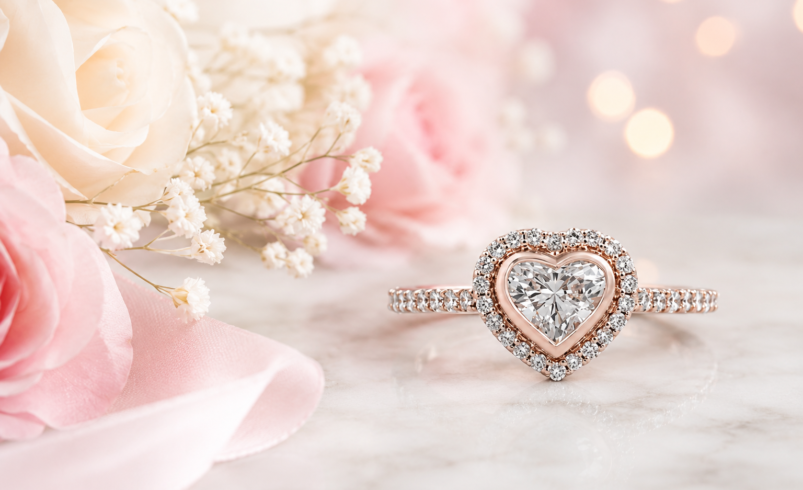

An engagement ring is more than a piece of jewelry. It represents a promise, a shared future, and a moment that deserves to feel personal. For couples who want a design with an unmistakable romantic character, a heart cut engagement ring can be an especially meaningful choice. Its distinctive outline naturally represents love, while its faceted surface gives the stone a lively appearance when it catches the light.
Unlike traditional round or oval designs, a heart-shaped diamond immediately draws attention because of its recognizable silhouette. It can be delicate and understated or bold and expressive, depending on the setting and band selected. This flexibility makes heart-shaped designs suitable for many personal styles.
The Meaning Behind a Heart-Shaped Diamond
The heart is one of the most familiar symbols of love. Choosing a diamond with this shape adds an emotional layer to an engagement ring without requiring additional decoration. The design communicates affection through its form, making it a natural choice for someone who wants a ring with symbolic meaning.
A heart shape diamond engagement ring can also feel deeply personal because the shape is less conventional than some popular diamond cuts. It gives couples an opportunity to choose something recognizable while still feeling distinctive.
The heart shape features two rounded lobes at the top and a pointed tip at the bottom. When properly proportioned, these elements create a balanced outline that looks attractive from a distance as well as close up.Check Out lab grown heart shaped diamond ring designs to explore different styles, settings, and combinations for your engagement.
For an engagement ring, that combination of symbolism and visual character can make the proposal and the ring itself feel connected to the occasion.
Why Heart-Shaped Engagement Rings Feel Romantic
Romance often comes from meaning rather than excess decoration. Heart shaped engagement rings naturally communicate a message of love through their silhouette, which is why they can create such a strong emotional impression.
The shape can be especially appealing to couples who want their jewelry to tell a story. Instead of relying entirely on intricate details, the center stone itself becomes the main expression of the relationship.
The pointed bottom of a heart-cut diamond can also create a graceful visual line toward the finger. Depending on the setting, the diamond may appear delicate or more prominent. A slim band generally creates a lighter appearance, while a wider band can give the center stone additional presence.
Another benefit is versatility. Heart-shaped diamonds can work with solitaire, halo, three-stone, and side-stone settings. Each arrangement changes the overall personality of the ring while keeping the recognizable heart silhouette at its center.
Choosing the Right Heart-Cut Diamond
When shopping for heart cut diamond engagement rings, the shape and proportions deserve careful consideration. A well-cut heart should have two reasonably balanced lobes and a defined point. Symmetry matters because the outline is such an important part of the stone’s visual appeal.
The length-to-width ratio is another consideration. A wider heart can have a softer, fuller appearance, while a slightly elongated shape can look more slender. Neither option is automatically better. The right choice depends on personal preference and the style of the ring.
The diamond’s clarity and color should also be considered alongside the cut. Because heart-shaped stones can display a range of facets, viewing the actual stone or detailed images can help when comparing options.
Size is another personal decision. A larger center stone can create a stronger statement, while a smaller heart may offer a subtle and delicate appearance. The setting can significantly influence how large or small the center stone appears on the hand.
Selecting a Setting That Complements the Shape
The setting plays an important role in creating the final romantic look. A classic solitaire setting keeps attention focused on the heart-shaped center. This can be a good option for someone who prefers a clean design where the diamond carries most of the visual interest.
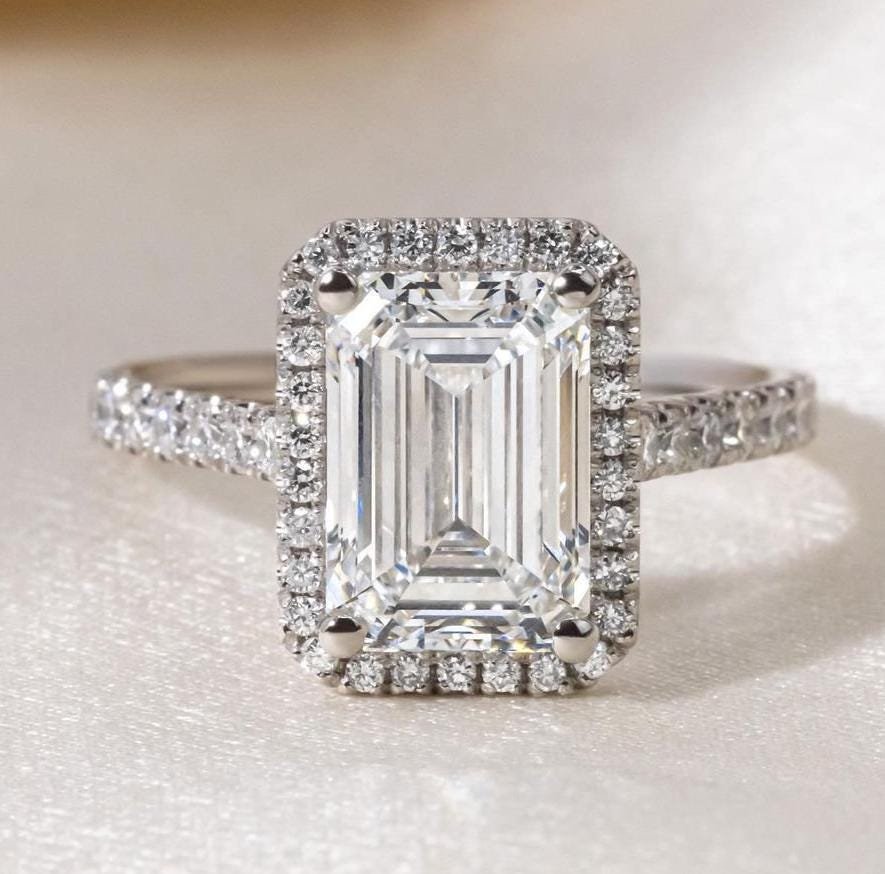
A halo setting adds a surrounding frame of smaller stones. It can make the center diamond appear larger while adding additional detail around the heart shape.
Side stones offer another approach. Small diamonds positioned along the band can lead the eye toward the center stone and create a more decorative appearance.
A three-stone design can also work beautifully with a heart center. The additional stones can represent different stages of a relationship, such as the past, present, and future, giving the ring another layer of meaning.
When selecting a setting, it is important to consider how securely the pointed tip of the heart-shaped diamond is protected. A well-designed setting can help shield this vulnerable area while maintaining the shape’s visibility.
Heart Cut Engagement Rings and Different Band Styles
The band can change the character of the entire ring. A narrow band can make the heart center appear more prominent and create a delicate overall appearance. A wider band may provide a stronger visual foundation.
For someone who likes classic jewelry, a simple polished band can keep the design focused on the center diamond. For a more decorative style, pavé or side-stone details can add additional interest.
Metal choice also affects the overall impression. White metals can create a crisp contrast with the diamond, while yellow or rose-toned metals can provide a warmer appearance.
The best combination depends on personal taste, everyday jewelry preferences, and the type of wedding band the wearer plans to pair with the engagement ring.
The Appeal of Lab-Grown Heart-Shaped Diamonds
For couples considering alternatives to traditionally mined diamonds, a lab grown heart shaped diamond ring can provide the distinctive heart silhouette while offering another purchasing option.
Lab-grown diamonds are created using advanced processes that replicate the conditions under which diamonds naturally form. They have the same basic chemical composition and crystal structure as mined diamonds.
A heart shaped lab created diamond ring can therefore provide the visual characteristics associated with a heart-shaped diamond while allowing shoppers to compare different options based on budget, specifications, and design.
Lab-grown options are also available in a wide variety of sizes, colors, clarity grades, and settings. This gives couples flexibility when building an engagement ring around their preferred appearance.
For shoppers interested in a heart shaped lab grown diamond ring, it is still important to evaluate cut quality, symmetry, proportions, certification, and setting construction. The fact that a diamond is lab-grown does not remove the importance of selecting a well-made stone.
How to Create a Personalized Romantic Look
Personalization can make a heart-cut engagement ring feel even more meaningful. Couples can consider details such as the metal color, band width, setting style, and accent stones.
Engraving is another option. A date, initials, short phrase, or private message can be added to the inside of the band. Because the engraving is hidden from everyday view, it can serve as a personal detail shared between the couple.
The wedding band should also be considered before choosing the engagement ring. Some settings sit higher on the finger and allow a straight wedding band to fit closely beside them. Others may require a curved or contoured band.
Trying different combinations can help determine which design feels comfortable and visually balanced.
Heart Cut Engagement Rings for Different Personal Styles
One reason heart cut engagement rings remain appealing is that they can be adapted to different aesthetics.
A solitaire heart diamond can suit someone who prefers simplicity. A halo design may appeal to someone who enjoys more detail. A vintage-inspired setting can introduce decorative elements, while a clean bezel or prong setting can create a more contemporary appearance.
The heart shape itself remains the defining feature, but the surrounding design determines how that feature is presented.
For someone seeking an unusual engagement ring without moving too far away from familiar diamond jewelry, the heart cut offers a practical middle ground. It is immediately recognizable but less common than some traditional center-stone shapes.
Caring for a Heart-Shaped Diamond Ring
Proper care helps preserve the appearance of the ring over time. The pointed tip of a heart-shaped diamond deserves particular attention because it can be more exposed than other areas of the stone.
Regular inspection of the setting can help identify loose prongs or other issues before they become more serious. It is also useful to remove the ring during activities that could expose it to strong impacts, harsh chemicals, or unnecessary abrasion.
For routine cleaning, follow the care recommendations provided by the jeweler. Professional inspections can also help ensure that the center stone and surrounding stones remain securely held.
A clean ring allows the facets of the diamond to remain visible, helping the heart shape stand out clearly.
Why the Heart Shape Makes a Memorable Engagement Choice
An engagement ring becomes memorable when its design connects with the person wearing it. A heart-shaped diamond offers that connection through symbolism, shape, and individuality.
It can represent affection without relying on complicated details. At the same time, the range of settings, metals, and band designs allows couples to create something suited to their relationship.
For couples exploring heart-shaped lab-grown options, Antiquecut is one place to consider when comparing designs and finding a ring that matches their preferred style.
Whether you choose a traditional diamond or a lab-grown alternative, the most important consideration is how the ring reflects the person receiving it and the commitment it represents.
Final Thoughts
A heart-shaped diamond naturally brings romantic meaning to an engagement ring. Its distinctive silhouette makes the center stone instantly recognizable, while different settings and band styles allow couples to create a look that feels personal.
From classic solitaire designs to detailed halo settings, heart shaped engagement rings can be adapted to a wide range of preferences. Lab-grown alternatives also give shoppers another way to explore this distinctive diamond shape.
Ultimately, the ideal ring is one that combines a beautiful design with personal meaning. A carefully selected heart-cut diamond can turn an engagement ring into a lasting reminder of love, commitment, and the beginning of a shared future.