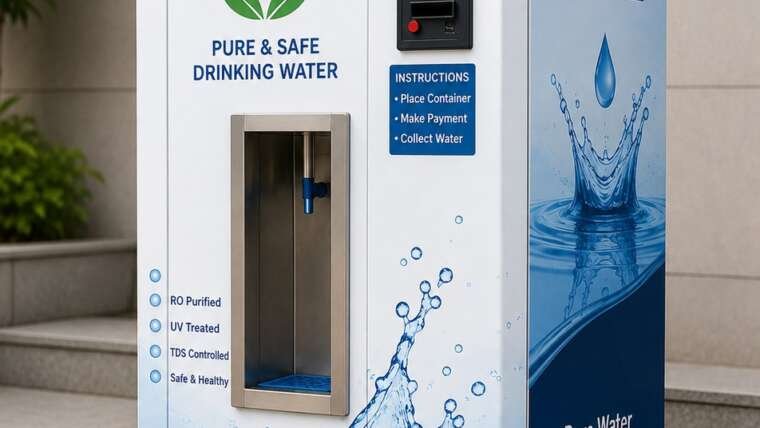

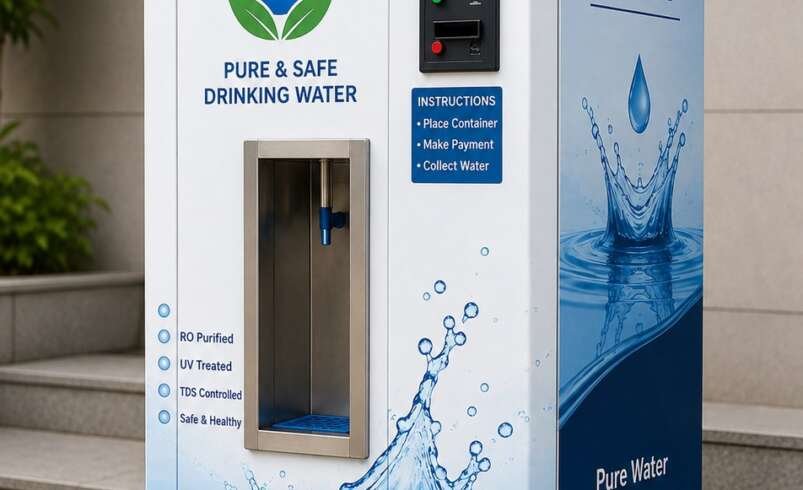

Community water centers can play an important role in providing accessible drinking water to groups of people. Modern dispensing technology can make these facilities more convenient and easier to operate. A water vending machine can serve as the core dispensing system for such a facility.
A community water center generally needs to address several requirements, including water purification, storage, dispensing, hygiene, accessibility, and maintenance.
Why Automated Dispensing Helps
A water ATM can provide controlled access to purified water. Depending on the operating model, users can collect water through a payment-based or community-supported system.
Automated dispensing can also reduce the requirement for continuous manual involvement.
Planning a Community Water Center
Before installation, project planners should evaluate the area’s water source and daily demand. The machine’s capacity should be selected based on expected usage.
The installation area should have adequate electricity, water supply, drainage, and user access. Protection from environmental exposure may also be necessary depending on the location.
Water Vending Machine India for Different Communities
The requirements for water vending machine India installations can vary significantly. A machine serving a residential neighborhood may have different requirements from one serving a busy market or public transport location.
Therefore, a location-specific assessment is important before selecting equipment.
Role in CSR Activities
Community water centers can also become valuable CSR activities when organizations want to support sustainable access to drinking water.
A CSR-funded facility should ideally have a clear plan for ongoing operation. Maintenance responsibilities, filter replacement, cleaning, and technical support should be defined before the project becomes operational.
When these elements are addressed, a water vending machine can support a community water center for the long term.
The combination of purification, automated dispensing, and structured community management can create a practical model for improving access to drinking water while supporting social and environmental objectives.