

Ordering a custom tarp feels simple until you hit one question that stops most people cold: which material should you actually pick? Suddenly you’re staring at four options that all promise durability, and none of them explain which one fits your exact situation.
This decision matters more than people realize. The right material turns a custom tarp into something that lasts for years. The wrong one means you are back here again in a few months, wondering why it tore, faded, or let water through when it shouldn’t have.
Let’s break down what each material actually offers, so you can order a custom tarp that fits the job instead of just guessing and hoping.
Poly Tarps: The Flexible All-Rounder
Poly tarps are usually the first material people think of, and for good reason. They’re lightweight, affordable, & hold up well across a wide range of uses.
A custom poly tarp works particularly well when you need coverage without excess weight or bulk. This makes it a strong pick for equipment covers, temporary shelters or protecting stacked materials from rain and debris.
Here’s where poly tends to shine
- General outdoor protection. Covering firewood, machinery, or building supplies during a project.
- Seasonal use. Great for situations where you need coverage for a few months rather than year-round exposure.
- Budget-conscious projects. Poly delivers solid performance without the higher cost of vinyl or canvas.
The tradeoff is that poly isn’t quite as tough as vinyl or canvas over the long run. For light to moderate use, though, it often gets the job done without any fuss.
Vinyl Tarps: Built for the Long Haul
If your cover needs to survive harsh conditions, oil exposure or years of heavy use, vinyl usually comes out ahead. This material holds up against punctures, chemical exposure, & repeated folding better than most alternatives.
Vinyl is a common choice in industrial settings, trucking, & anywhere sparks or rough handling are part of the daily routine. It also takes flame-retardant treatments particularly well, which makes it a strong option near welding areas or heat-generating equipment.
This is exactly where custom tarps prove their worth as standard sizes rarely match irregular machinery or oddly shaped truck beds. A vinyl option built to your exact measurements is worth considering if your project involves
- Heavy machinery covers that face constant wear
- Truck bed covers exposed to friction & shifting loads
- Environments with grease, oil, or chemical contact
- Areas where fire resistance is a real concern
Vinyl tends to cost more than poly, but for demanding conditions, that extra durability usually pays for itself over time.
Canvas Tarps: The Breathable Classic
Canvas brings something the synthetic materials can’t quite replicate: natural breathability. Because it’s woven from cotton or a cotton blend, canvas allows a small amount of airflow through the fabric, which helps prevent condensation buildup underneath.
This makes canvas a smart pick for covering items that need to stay dry but also need some ventilation, like hay, certain equipment, or materials sensitive to trapped moisture. A custom canvas tarp also tends to feel sturdier & more traditional, which some people simply prefer for aesthetic or practical reasons.
The tradeoff is that canvas requires a bit more care than synthetic options. It needs proper drying before storage to avoid mold or mildew but for the right application, that extra attention is well worth it.
Mesh Tarps: When You Need Airflow Over Full Coverage
Sometimes a solid cover isn’t actually what a job calls for. Mesh tarps are designed with intentional gaps, allowing air, light, and some moisture to pass through, while still blocking debris, wind, and a good portion of sun exposure.
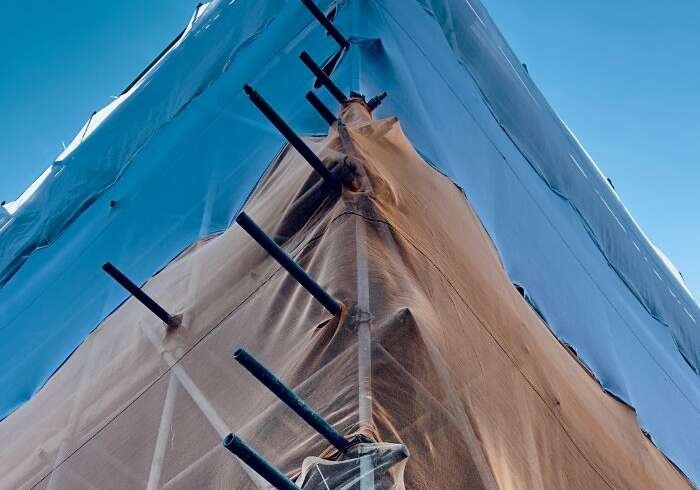
A custom mesh tarp works well for shade structures, privacy screening or covering loads where full waterproofing isn’t the priority. It’s also commonly used around construction sites to catch debris while still letting wind pass through safely, reducing strain on structures during storms.
If your project needs partial coverage rather than a fully sealed barrier, mesh is often the smarter choice over solid materials.
Matching Material to Your Actual Use Case
The best way to choose is to start with your specific situation rather than picking based on price alone. Ask yourself what you’re protecting, how long it needs to last, and what conditions it will face day to day.
A cover built from the wrong material might look fine on day one, but underperform exactly when you need it most. Taking a few extra minutes to think through your use case now saves you from an expensive reorder later.
Getting Expert Help With Your Custom Tarp
Picking between poly, vinyl, canvas, and mesh doesn’t have to be a guessing game. If you’re unsure which material fits your project, Tarps Plus works directly with customers to figure out the right custom tarp for their specific needs. Their team has helped countless people match materials to real-world conditions, from job sites to backyards.
Reach out to them and get a custom tarp made exactly the way your project calls for.