

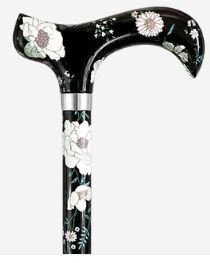

A walking cane for the blind is an essential mobility aid designed to help people who are blind or visually impaired move around more safely and confidently. Unlike a standard walking cane, a cane designed for visual impairment is primarily used to detect obstacles, identify changes in the walking surface, and provide information about the surrounding environment.
Whether you are looking for a visually impaired cane, a blind walking stick, or a mobility cane for everyday use, understanding the available options can help you choose the right one for your needs.
What Is a Walking Cane for the Blind?
A walking cane for the blind is a specialized mobility tool used by people with little or no vision. It is generally longer and lighter than a traditional support cane, allowing the user to scan the area in front of them while walking.
The cane can help detect obstacles such as curbs, steps, uneven surfaces, furniture, and other objects. With proper training and technique, users can use the cane to gather information about their surroundings and navigate independently.
Benefits of a Visually Impaired Cane
A visually impaired cane offers several important benefits for everyday mobility.
Improved Obstacle Detection
A mobility cane can help users detect objects and changes in the walking surface before they encounter them. This can make navigating sidewalks, buildings, pathways, and other environments easier.
Greater Independence
Using a blind walking stick can provide people with visual impairments greater confidence when traveling independently. It can reduce reliance on others for basic navigation and help users develop consistent mobility skills.
Helps Identify Changes in Elevation
A properly used cane can detect curbs, stairs, drop-offs, and other changes in elevation. This information can help users prepare for changes in the path ahead.
Lightweight and Portable
Many mobility canes are designed to be lightweight while remaining durable. Folding and telescopic options can also make transportation and storage more convenient.
Increased Visibility to Others
A traditional white mobility cane can also serve as a recognizable signal that the user has a visual impairment. This may encourage pedestrians, cyclists, and drivers to be more aware of the person’s presence.
Choosing the Right Blind Walking Stick
When selecting a blind walking stick, several factors should be considered.
Cane Length
The appropriate cane length depends on the user’s height, walking speed, mobility technique, and personal preference. A mobility specialist or orientation and mobility instructor can help determine a suitable length.
Straight or Folding Design
Straight canes are sturdy and straightforward, while folding canes can be convenient for travel and storage. Consider how frequently the cane will be transported when choosing between these designs.
Cane Material
Mobility canes are commonly made from lightweight materials such as aluminum, fiberglass, or carbon fiber. Each material offers different characteristics in terms of weight, flexibility, durability, and feel.
Handle Design
The handle should be comfortable and easy to hold. Different users may prefer different handle shapes and materials depending on their grip and mobility technique.
Tip Style
The cane tip is an important part of a mobility cane. Different tip designs can provide different levels of contact, feedback, and movement across surfaces. The appropriate tip often depends on the user’s technique and environment.
White Cane vs. Standard Walking Cane
A white cane for visual impairment and a standard walking cane serve different purposes.
A standard walking cane is generally designed to provide balance and physical support. A mobility cane for a blind or visually impaired person is primarily designed to provide information about the environment through contact with the ground and obstacles.
Because of these differences, someone looking for a mobility aid for blindness should choose a cane specifically designed for visual navigation rather than simply selecting a conventional support cane.
How to Use a Visually Impaired Cane
Learning to use a mobility cane effectively involves more than simply carrying it while walking. Proper orientation and mobility training can teach users techniques for scanning the path, detecting obstacles, identifying curbs and stairs, and maintaining a safe walking direction.
A qualified orientation and mobility specialist can provide personalized instruction based on the user’s vision, environment, mobility goals, and experience.
Who Can Benefit From a Walking Cane for the Blind?
A walking cane for the blind may be suitable for people who are totally blind as well as those with significant vision loss. People with partial sight may also benefit from a mobility cane when navigating unfamiliar or challenging environments.
The best cane depends on individual needs, mobility skills, lifestyle, and the environments where it will be used.
Caring for Your Blind Walking Stick
Regularly inspect the cane for signs of damage or excessive wear. Check the shaft, handle, folding joints, and tip to ensure they remain in good condition.
The cane tip may experience considerable contact with the ground and can eventually wear down. Replacing worn components when necessary can help maintain the cane’s performance.
Final Thoughts
Choosing the right walking cane for the blind can make everyday mobility more convenient and confidence-inspiring. A well-designed visually impaired cane can help users detect obstacles, recognize changes in the walking surface, and navigate different environments more independently.
Whether you prefer a traditional straight cane or a convenient folding design, consider factors such as length, weight, material, handle, and tip style. For the best results, proper mobility training can help users learn how to use their blind walking stick safely and effectively.