

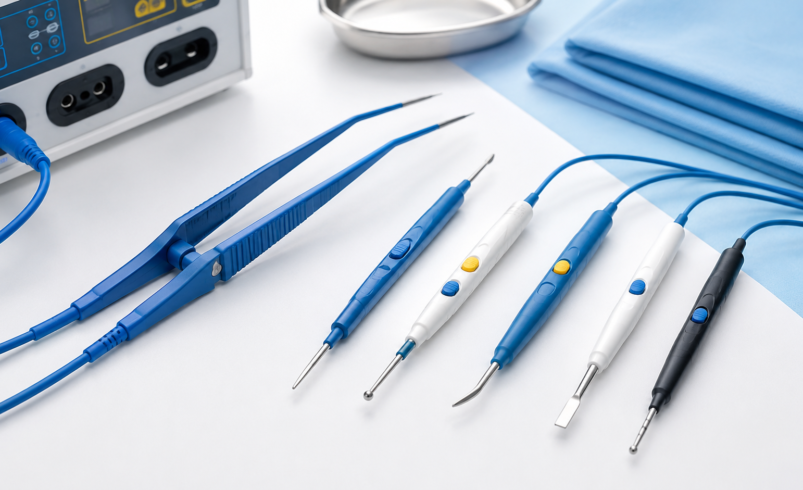

Small surgical instruments can make a meaningful difference in laparoscopic procedure planning, handling, and operating room confidence
In minimally invasive surgery, the success of a procedure often depends on how well every instrument supports the surgical team’s workflow. For hospitals, private clinics, and medical distributors across the Netherlands, Belgium, Spain, Ireland, and Finland, clip appliers and retrieval bags remain important parts of laparoscopic and MIS instrument supply.
Clip appliers and retrieval bags support smoother surgical workflows by helping operating room teams manage secure clipping and specimen retrieval during minimally invasive procedures. For European distributors and healthcare buyers, reliable access to these instruments can improve surgical preparation, support buyer confidence, and strengthen long-term supply relationships.
Why Workflow-Focused Instruments Matter in Minimally Invasive Surgery
Minimally invasive surgery requires careful coordination. Surgeons, assistants, and operating room staff rely on instruments that help each stage of the procedure move with clarity and control. While larger systems often receive the most attention, supporting instruments such as clip appliers and retrieval bags can play a valuable role in everyday surgical workflow.
For distributors, these instruments are also important because they are closely linked with broader laparoscopic supply needs. Hospitals rarely source them in isolation. They are often considered alongside trocars, Veress needles, laparoscopic instruments, suction and irrigation systems, HF instruments, and electrosurgical accessories.
- Hospitals need dependable access to laparoscopic support instruments
- Operating room teams value instruments that help maintain procedure flow
- Private clinics require practical surgical supply options for planned procedures
- Distributors benefit from working with manufacturers that understand MIS workflows
- Healthcare buyers prefer suppliers who communicate clearly and support long-term planning
Surgical Supply Insight
In minimally invasive surgery, workflow is shaped by more than major instruments. Supporting tools such as clip appliers and retrieval bags help operating rooms stay prepared and organized throughout the procedure.
The Role of Clip Appliers in Surgical Procedures
Clip appliers are used in surgical settings where secure clip placement is required. In laparoscopic and minimally invasive procedures, they can support controlled application through limited access points, making them a practical part of many surgical instrument discussions.
For hospitals and clinics, reliable access to clip appliers helps support procedure readiness. For distributors, they add strength to a surgical supply offering that already includes laparoscopic instruments, trocars, Veress needles, suction and irrigation systems, and electrosurgical accessories.
Why Healthcare Buyers Pay Attention to Clip Appliers
- They support secure clip application in selected surgical procedures
- They are commonly associated with laparoscopic and MIS workflows
- They help distributors serve wider surgical supply needs
- They require reliable sourcing and clear instrument information
- They are often purchased alongside other minimally invasive surgical instruments
The Role of Retrieval Bags in Specimen Handling
Premium retrieval bags are used in minimally invasive procedures where specimen containment and removal are part of the surgical workflow. They help operating room teams manage retrieval through small access points, making them a practical instrument for laparoscopic procedures.
From a buyer’s perspective, retrieval bags must be available through a supplier that understands surgical planning and hospital expectations. Clear communication, dependable supply, and professional support all matter when distributors present these instruments to healthcare buyers.
Why Retrieval Bags Are Important in Surgical Supply
- They support specimen retrieval during selected minimally invasive procedures
- They are closely connected with laparoscopic surgical workflows
- They help hospitals prepare for procedures that require contained removal
- They strengthen a distributor’s MIS and laparoscopic supply offering
- They are often reviewed alongside trocars, access instruments, and laparoscopic tools
Manufacturer-Side Perspective
Retrieval bags may seem like a supporting item, but for surgical buyers they are part of procedure readiness. Distributors should treat them as an important piece of the wider laparoscopic supply conversation.
How Clip Appliers and Retrieval Bags Fit Into Laparoscopic Supply
Laparoscopic procedures depend on a connected set of instruments. Access, visualization, tissue handling, clipping, suction, irrigation, specimen retrieval, and energy-based support all influence how smoothly the operating room can function.
This is why clip appliers and retrieval bags are often discussed with other instruments used in minimally invasive surgery. A distributor that can support several related needs becomes more useful to hospitals and surgical buyers.
Instruments Often Sourced Together Include
- Clip appliers
- Premium retrieval bags
- Laparoscopic instruments
- Trocars
- Veress needles
- Suction and irrigation systems
- Single-use MIS instruments
- Single-use HF instruments
- Bipolar forceps
- Monopolar electrodes
- Electrosurgical accessories
Why Distributors Need Reliable Manufacturer Support
Medical distributors are expected to support hospitals with more than instrument availability. They need to answer buyer questions, provide clear information, manage expectations, and maintain confidence throughout the supply relationship.
When a distributor works with a dependable manufacturer, it becomes easier to present clip appliers, retrieval bags, and related laparoscopic instruments in a professional way. This matters especially when hospitals are comparing suppliers or planning recurring surgical supply needs.
A Reliable Manufacturer Should Help Distributors With
- Clear instrument information for hospital discussions
- Professional communication around availability and supply timelines
- Support for laparoscopic, MIS, and electrosurgical instrument needs
- Practical understanding of distributor-led healthcare sales
- Long-term cooperation rather than short-term order handling
Distributor Guidance
Hospitals remember suppliers who make purchasing easier. Clear answers, dependable availability, and professional follow-up can turn a first order into a lasting relationship.
Regional Relevance Across European Healthcare Markets
Hospitals and clinics across Europe share a need for dependable surgical instruments, but buying expectations can vary by region. Distributors that understand local market behavior can position themselves more effectively with the support of a strong manufacturing partner.
Netherlands
Healthcare buyers in the Netherlands often value structured communication, reliable supply coordination, and practical instrument information. Distributors serving this market can strengthen their conversations by offering well-supported laparoscopic instruments, including clip appliers and retrieval bags.
Belgium
Belgium’s healthcare environment often involves multilingual communication and regional purchasing preferences. Clear supplier support can help distributors present minimally invasive surgical instruments more confidently to hospitals and clinics.
Spain
Spain offers strong opportunities across public hospitals, private healthcare providers, and surgical supply networks. Reliable access to laparoscopic instruments, clip appliers, retrieval bags, and electrosurgical accessories can support stronger distributor relationships.
Ireland
Hospitals and private clinics in Ireland often look for responsive distributors and dependable manufacturer support. Practical availability and professional communication can help build trust with surgical buyers.
Finland
Finland’s healthcare market often places high value on precision, preparation, and supplier reliability. Distributors serving Finnish buyers need clear information, steady communication, and a strong understanding of surgical instrument requirements.
How Seemann Technologies Supports Laparoscopic Workflow Instruments
Seemann Technologies supports medical distributors, hospitals, private clinics, OEM buyers, and healthcare supply partners with surgical and electrosurgical instruments for modern operating room needs. Its range includes clip appliers, premium retrieval bags, laparoscopic instruments, trocars, Veress needles, suction and irrigation systems, single-use MIS instruments, single-use HF instruments, reusable HF instruments, bipolar forceps, monopolar electrodes, and related accessories.
For distributors across Europe, this manufacturer-led approach helps support stronger hospital conversations. It gives buyers access to relevant surgical instruments while helping distributors build supply relationships based on confidence, responsiveness, and practical support.
What Buyers Should Consider Before Choosing a Supplier
When selecting a supplier for clip appliers, retrieval bags, and laparoscopic instruments, buyers should look beyond simple availability. A strong supplier should understand the wider surgical workflow and support distributors with the information needed to serve healthcare buyers properly.
Key Questions to Ask Include
- Does the supplier provide both clip appliers and retrieval bags?
- Can the supplier support wider laparoscopic and MIS instrument needs?
- Are trocars, Veress needles, and suction and irrigation systems also available?
- Can the supplier support electrosurgical needs with HF instruments and accessories?
- Is instrument information clear enough for hospital purchasing discussions?
- Can the manufacturer support distributors across multiple European countries?
- Are supply expectations communicated professionally and consistently?
Final Thoughts
Clip appliers and retrieval bags may not always receive the same attention as larger surgical systems, but they remain important to smooth laparoscopic and minimally invasive workflows. Hospitals need dependable access to these instruments, and distributors need manufacturers who can support them with clarity, responsiveness, and long-term reliability.
Across the Netherlands, Belgium, Spain, Ireland, and Finland, Seemann Technologies supports healthcare buyers and distributors with surgical and electrosurgical instruments designed for modern operating room needs. For distributors looking to strengthen their laparoscopic and MIS supply offering, the right manufacturing partner can make every hospital conversation stronger.
Frequently Asked Questions
What Are Clip Appliers Used for in Surgery?
Clip appliers are used in surgical procedures where secure clip placement is required. They are commonly associated with laparoscopic and minimally invasive surgical workflows.
What Are Retrieval Bags Used For?
Retrieval bags are used during selected minimally invasive procedures to support specimen containment and removal through small surgical access points.
Why Are Clip Appliers and Retrieval Bags Important for Distributors?
They help distributors support hospitals and clinics with important laparoscopic workflow instruments. Reliable access to these instruments can strengthen relationships with surgical buyers.
Which Instruments Are Often Sourced With Clip Appliers and Retrieval Bags?
They are often sourced alongside laparoscopic instruments, trocars, Veress needles, suction and irrigation systems, single-use MIS instruments, HF instruments, bipolar forceps, monopolar electrodes, and electrosurgical accessories.
How Does Seemann Technologies Support Laparoscopic Surgical Supply?
Seemann Technologies supports distributors and healthcare buyers with clip appliers, premium retrieval bags, laparoscopic instruments, trocars, Veress needles, suction and irrigation systems, MIS instruments, HF instruments, and related electrosurgical accessories.