
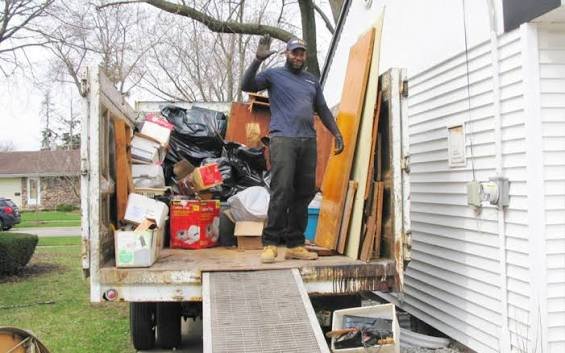

Property clearing becomes more demanding when unwanted belongings have accumulated across multiple rooms and storage locations. Old furniture, unused appliances, outdated equipment, boxes, and miscellaneous materials can gradually reduce the amount of usable space.
For larger projects, junk hauling services can help make the collection and transportation stage more manageable. This can be useful when property owners are dealing with bulky objects, substantial quantities of material, or items spread throughout a large property.
A successful clearing project starts with preparation. By reviewing the property carefully, organizing belongings, preparing access routes, and establishing a realistic timeline, owners can reduce unnecessary delays and create a more efficient process from beginning to end.
Identify the Property Areas Requiring Attention
Start by examining the entire property rather than focusing only on obvious clutter. Bedrooms, offices, garages, basements, attics, closets, sheds, storage rooms, patios, and other outdoor areas can all contain unwanted materials.
During the inspection, consider how each area is currently being used and whether accumulated belongings are interfering with that purpose.
Creating a list of priority areas provides a practical starting point. Spaces that affect daily activities or upcoming projects can be handled first, followed by less frequently accessed locations.
Separate Important Possessions Before Removal
Important belongings should always be identified before physical removal begins. Documents, valuables, personal possessions, useful equipment, tools, and items with sentimental importance should be kept separate.
A clearly designated location for these belongings can prevent confusion during a large project. This is especially important when several people are helping with sorting or moving.
Once necessary possessions have been protected, property owners can review the remaining materials with greater confidence and reduce the risk of accidentally removing something valuable.
Sort Items According to Their Future Destination
A simple sorting system can keep the project organized. Materials can be grouped into items that will remain, belongings that may be donated, recyclable materials, and objects that need to leave the property.
Keeping these categories separate prevents confusion during the collection stage. It also allows property owners to understand how much material belongs to each group.
For extensive cleanouts, completing the sorting process one room at a time can make the workload easier. Finished areas can remain organized while attention moves to the next section.
Prepare for Large Furniture and Appliances
Oversized belongings can create logistical challenges during a property clearing project. Furniture, cabinets, appliances, tables, shelving, and equipment may require carefully planned routes.
Before moving a large object, inspect the pathway from its current location to the collection area. Doorways, hallways, stairs, elevators, gates, and exterior paths should all be considered.
Removing smaller obstacles first can create additional room for movement. Good preparation can make bulky items easier to handle and reduce unnecessary disruption around the property.
Recover Space in Crowded Garages
Garages often become storage areas for belongings that do not have a regular place elsewhere. Over time, accumulated items can reduce parking space and make tools or equipment difficult to access.
A focused clearing project can restore useful floor space. Remaining belongings can then be organized according to their purpose and frequency of use.
Frequently used tools should remain easy to reach, while seasonal equipment and rarely needed materials can be placed in designated storage locations. Clear pathways should be maintained throughout the garage.
Review Attics, Basements, and Storage Areas
Long-term storage locations can contain belongings that have not been reviewed for years. Because these areas are accessed less frequently, unnecessary materials can remain unnoticed for extended periods.
Property owners can look for damaged, outdated, duplicated, or unused items during the clearing process. Removing these materials creates additional room for possessions that genuinely need to remain stored.
Better organization also improves future access. Remaining belongings can be arranged so that important items can be located without moving large quantities of material.
Coordinate Clearing With Property Improvements
Clearing a property before renovation or maintenance can provide contractors with better access to work areas. Furniture, boxes, equipment, and miscellaneous belongings can otherwise restrict access to floors, walls, cabinets, and other surfaces.
After improvements are finished, owners should reconsider which belongings actually belong in the updated area. Returning only useful materials can help preserve the improvements.
Make Rental Turnovers More Efficient
Rental properties often need to be prepared within a limited period between occupants. Leftover furniture, personal belongings, and miscellaneous materials can delay cleaning and maintenance.
A consistent inspection process can help property managers identify materials that require removal. Every room should be reviewed along with closets, garages, storage spaces, patios, and relevant exterior areas.
Clearing unwanted belongings before maintenance begins gives contractors more room to work. Cleaning teams can also access more surfaces without repeatedly moving objects.
Manage Commercial Clearing Without Disrupting Operations
Commercial properties require careful scheduling because employees, customers, inventory, and normal business activities may need to continue during the cleanup.
Businesses can begin with storage rooms, unused offices, back areas, or other locations that have less impact on daily operations. Active workspaces can then be addressed according to the project schedule.
After unwanted materials have been removed, the recovered space can be reorganized around current business needs. It may provide room for equipment, inventory, workstations, or improved storage.
Include Exterior Areas in the Project
Outdoor areas can accumulate unwanted materials just as easily as indoor spaces. Yards, patios, sheds, driveways, and side areas may contain old furniture, damaged equipment, unused containers, tools, and miscellaneous belongings.
These materials can interfere with landscaping, property maintenance, inspections, and outdoor activities.
Including exterior areas in the overall clearing plan creates a more complete result. Once unnecessary materials are gone, these spaces can be organized according to their intended use and maintained more easily.
Build a Schedule Around Important Deadlines
Timing can have a major effect on how smoothly a clearing project progresses. Moves, renovations, property sales, rental turnovers, and business relocations may all require completion by specific dates.
Starting early provides additional time for sorting, difficult items, access preparation, and unexpected challenges.
A staged schedule can divide the work into inspection, sorting, preparation, collection, removal, and final organization. This gives each phase a clear purpose and reduces last-minute pressure.
Consider Material Handling Before Collection
Property clearing can involve many types of materials, including furniture, appliances, electronics, metals, household goods, and commercial equipment.
Different categories may have different reuse, recycling, or disposal considerations. Separating materials where appropriate can make the process more organized.
When the proper handling method for a particular material is uncertain, property owners should check relevant local guidance before removal rather than making assumptions.
Determine When Professional Support Is Practical
Some projects can be handled gradually by property owners, while others involve too much physical work or transportation to manage comfortably.
Multiple rooms of furniture, heavy appliances, oversized objects, commercial equipment, and large outdoor accumulations can quickly increase the workload. Professional assistance can reduce repeated trips and simplify the collection process.
Iron Bear & CO. can assist with larger removal projects when the scale or type of unwanted material makes independent handling difficult. The appropriate level of support depends on the property’s size, accessibility, material volume, and timeline.
Give Cleared Areas a Specific Purpose
Once unwanted materials have been removed, each area should have a clear purpose. Empty rooms and storage spaces can quickly become overcrowded again when there is no plan for their future use.
A garage might be dedicated to parking and tools, while a storage room could be organized by category. Commercial spaces can be adapted to support current operational requirements.
Defining the purpose of each area helps property owners make better decisions about which belongings should return and which should remain outside the space.
Maintain the Results Through Regular Reviews
A successful property clearing project should make future organization easier. Regular reviews can help identify unwanted materials before they accumulate into another major problem.
Garages, storage rooms, closets, offices, and outdoor areas can be checked periodically. Addressing small amounts of unnecessary material early generally requires less effort than waiting for years of accumulation.
Simple organizational habits can protect the space recovered during the clearing project and make ongoing property management more efficient.
Conclusion
Preparing properly can make a large property clearing project much easier to manage. A complete inspection, careful sorting, access planning, realistic scheduling, and thoughtful organization can reduce unnecessary delays and improve the final result.
Whether the property is residential, commercial, rented, or undergoing improvements, a structured approach can restore valuable space and improve functionality. Maintaining clear purposes for each area afterward helps preserve the benefits and keeps the property easier to manage over time.