

Home maintenance is easier when homeowners address problems before they become major concerns. Tile work replacement service can help improve areas where tiles have cracked, loosened, stained, or become outdated. Tile is commonly used in busy parts of a home, so keeping these surfaces in good condition can make everyday spaces safer and easier to maintain. Professional help can also make related home improvement projects more organized.
Understanding Common Tile Problems
Tile can provide a durable surface, but regular use can eventually cause damage. Heavy foot traffic, impacts, moisture, and movement beneath the surface can all affect tile. Cracks and chips are easy to notice, while loose tiles may not become obvious until they move under pressure.
Grout can also wear down over time. Cracked, missing, or discolored grout can affect the appearance of a tiled area. In moisture-prone spaces, damaged grout may allow water to reach areas underneath the tile. Regular inspection can help homeowners identify these issues before they become more complicated.
Not every damaged tile requires complete replacement of the entire surface. Individual pieces may sometimes be replaced if matching materials are available. However, widespread damage may indicate that a larger section needs attention. A professional assessment can help determine the most practical solution.
Why Damaged Tile Should Be Addressed
A cracked tile can create an uneven or sharp surface. This can become a concern in bathrooms, kitchens, hallways, and other areas where people walk frequently. Loose tiles can also continue to move and become more damaged.
Moisture is another important concern. Bathrooms and kitchens experience regular exposure to water and humidity. If damaged grout or tiles allow moisture to reach the underlying surface, additional deterioration may occur.
Addressing tile problems early can help homeowners avoid unnecessary complications. A small repair may be easier to manage than a larger restoration later. Regular maintenance also helps keep frequently used areas looking clean and functional.
Choosing Tile for Different Rooms
Tile selection should be based on the room and how it will be used. Kitchens may require surfaces that can handle spills, cleaning, and frequent activity. Bathrooms need materials and installation methods suitable for moisture.
Entryways can experience heavy foot traffic and dirt. Durable materials can be useful in these areas because they need to handle repeated use. Homeowners should also consider how easy the surface will be to clean.
Appearance matters as well. Tile comes in many colors, sizes, patterns, and finishes. The selected style should work with cabinets, walls, fixtures, flooring, and other features already present in the room.
Preparing for Tile Replacement
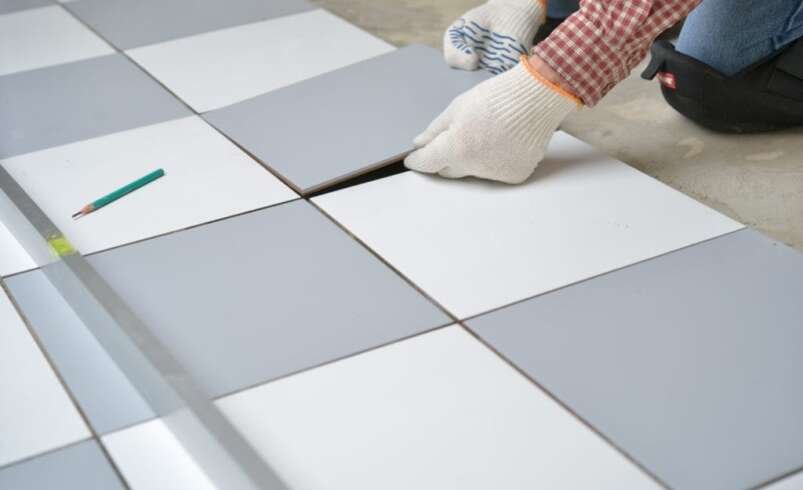
Proper preparation is essential before new tile is installed. Existing damaged materials may need to be removed carefully. The surface underneath should then be inspected for cracks, moisture, movement, or uneven areas.
An unstable base can affect the performance of new tile. Installing new material over a damaged surface may lead to future cracking or movement. Preparing the underlying area properly can provide a stronger foundation.
Measurements and layout should also be planned carefully. Walls, corners, cabinets, fixtures, and doorways can affect how tiles need to be positioned. Accurate planning can help create cleaner lines and reduce unnecessary material waste.
Improving Bathroom Areas
Bathrooms are among the most common places where homeowners use tile. Floors, shower walls, backsplashes, and other surfaces can experience frequent moisture. Damaged tile in these areas should be inspected rather than ignored.
A bathroom improvement does not always require a complete renovation. Replacing damaged sections can refresh the appearance of the room. Updating grout, fixtures, or other small features can also improve the overall result.
Moisture control should remain a priority. Any signs of persistent water problems should be investigated before new materials are installed. Fixing the source of the problem can help protect the new improvement.
Updating Kitchen Surfaces
Kitchens experience frequent activity and require surfaces that can handle daily use. Tile may be used on floors, backsplashes, walls, and other areas. Cracked or stained sections can make the kitchen look worn.
Replacing damaged tile can provide a cleaner appearance. Homeowners can also use an update as an opportunity to improve the overall style of the space. The selected tile should still be practical for the area’s specific conditions.
Cleaning requirements should also be considered. Kitchen surfaces may come into contact with grease, food, spills, and cleaning products. Choosing a suitable material can make long-term maintenance easier.
Handling Other Home Improvement Needs
Tile problems are often not the only maintenance concerns in a home. Homeowners may also have damaged trim, loose fixtures, worn flooring, sticking doors, or other small repair needs. These issues can build up over time.
Creating a complete maintenance list can help homeowners stay organized. Tasks can be divided according to urgency and location. This makes it easier to decide which work should be completed first.
Some projects can also be handled together. For example, several small repairs in the same room may be completed during one service visit. Combining suitable work can reduce repeated scheduling and preparation.
Benefits of Professional Assistance
Tile installation and repair require attention to measurements, surface preparation, alignment, spacing, and finishing. Mistakes during these stages can affect the appearance and performance of the completed surface. Professional assistance can help reduce these risks.
A qualified worker can inspect the existing condition before recommending a solution. This is especially useful when the visible damage may be related to an underlying issue. Identifying the cause can help prevent repeated repairs.
Professional help can also save homeowners time. Removing old materials, preparing surfaces, and installing new tile can require considerable effort. Having an experienced person handle the work can make the process more convenient.
Planning Your Home Improvement Budget
Budget planning should be completed before work begins. The total cost may depend on the size of the area, selected materials, labor, preparation, removal, and any necessary repairs. Understanding these factors can help homeowners make realistic decisions.
Unexpected conditions may sometimes appear during removal. Damaged subflooring, moisture, or other deterioration may need to be addressed before installation can continue. Homeowners should allow some flexibility for necessary work.
Prioritizing projects can also help control costs. Essential repairs should generally be handled before optional cosmetic improvements. Additional updates can then be completed as the budget allows.
Maintaining New Tile
New tile still requires regular care. Homeowners should follow the cleaning recommendations appropriate for the selected material. Harsh products or excessive moisture may damage certain surfaces or finishes.
Grout should also be inspected periodically. Cracks, stains, or missing sections can indicate that maintenance is needed. Addressing grout problems early can help preserve the appearance and condition of the tiled area.
Heavy impacts should be avoided whenever possible. Although many tiles are durable, they can still crack under significant force. Taking reasonable care can help extend the useful life of the installation.
Organizing Future Home Projects
Homeowners often discover additional improvements after completing one project. Instead of attempting everything at once, it can be helpful to create a long-term plan. This allows projects to be completed according to priority and budget.
A seasonal inspection can help identify new maintenance needs. Check flooring, walls, fixtures, exterior surfaces, doors, and other areas for signs of wear. Keeping track of these issues can prevent important repairs from being forgotten.
Professional guidance can also be useful. An experienced service provider can help homeowners understand which projects should happen first. Proper sequencing can reduce unnecessary work and protect newly completed improvements.
Choosing a Reliable Home Improvement Provider
Experience should be one of the factors homeowners consider when choosing a professional. The provider should understand the type of work being requested and have the appropriate skills for the project. Clear communication is also important.
Homeowners should discuss the scope of work before the project begins. Ask what preparation is required, which materials will be used, and what the project involves. This helps establish realistic expectations.
Reliability matters throughout the project. A professional should communicate about scheduling and any unexpected conditions. Keeping the work area organized can also reduce disruption to the household.
Frequently Asked Questions
1. Can one damaged tile be replaced?
In many cases, an individual tile can be replaced if the surrounding installation is in good condition and a suitable replacement is available. The underlying surface should still be checked before installation.
2. How do I know if my tile damage is serious?
Cracks, movement, moisture stains, repeated damage, or deteriorating grout may indicate a larger issue. A professional inspection can help determine whether the problem is limited to the tile or involves the surface underneath.
3. Is tile suitable for bathrooms?
Many tile materials are commonly used in bathrooms because they can be suitable for moisture-prone areas when properly selected and installed. The material and installation method should match the specific application.
4. Can tile replacement be part of a larger home improvement project?
Yes. Tile work can sometimes be coordinated with other suitable repairs and improvements. Planning related tasks together can make the project easier to organize.
5. How can I keep replacement tile looking new?
Use appropriate cleaning methods and products for the selected tile. Inspect grout regularly and address cracks, loose tiles, or moisture concerns as soon as they appear.
A Handyman flooring company near you can assist homeowners with flooring-related improvements and other suitable residential maintenance projects. Professional support can be useful when a property has multiple areas that need attention. Proper assessment and preparation can help homeowners achieve practical results while keeping the work organized.
Conclusion
Maintaining tile and other home surfaces can improve comfort, appearance, and everyday functionality. Addressing damaged materials early can also help prevent more extensive repairs. Homeowners in Newport News, VA, and surrounding areas can turn to Anfield Home Services for dependable home improvement, repair, and maintenance support. With proper planning and professional workmanship, homeowners can keep their properties in better condition for the long term.