

Caulking plays an important role in protecting buildings and properties from moisture, air movement, dirt and the effects of everyday movement. In Sydney, properties are exposed to changing temperatures, rain, humidity, strong sunlight and ongoing expansion and contraction of building materials. Over time, even a well-installed sealant joint can deteriorate, lose flexibility or separate from the surface around it. When this happens, small gaps can develop around windows, doors, façades, balconies, bathrooms, kitchens, expansion joints and other building junctions. Identifying these issues early is essential because failed sealant can allow water and moisture to reach areas that are difficult to inspect and repair.
Professional re-caulking is not simply about making a property look cleaner. Properly maintained joints can help protect vulnerable building interfaces and reduce the risk of water penetration, air leakage and premature deterioration. Whether you own a residential property, manage a commercial building or are responsible for a larger construction or remedial project, knowing the warning signs can help you arrange caulking repairs before a minor sealant defect becomes a more expensive building problem. Below are ten common signs that indicate your Sydney property may need professional recaulking.
1. Cracked or Split Caulking
One of the clearest signs that a seal needs attention is visible cracking. Sealant is designed to accommodate a certain amount of movement between adjoining surfaces, but it can become brittle or lose its elasticity as it ages. When this occurs, cracks may appear along the length of a joint or around corners and junctions.
Cracked caulking should not be ignored, particularly when it is located on an external wall, façade, balcony, window perimeter or another area exposed to rain. Once the sealant surface is compromised, moisture may find a pathway behind the joint. In Sydney properties, exposure to sunlight and changing temperatures can contribute to gradual sealant deterioration.
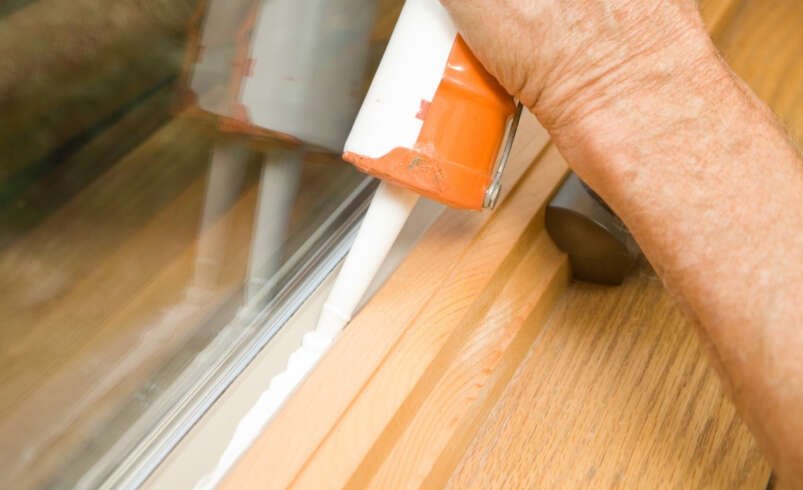
Simply applying a new layer over the damaged material is rarely the best long-term approach. Professional re-caulking generally involves assessing the existing joint, removing failed material, preparing the surfaces and applying a suitable sealant system. This helps ensure that the new seal bonds correctly and performs as intended.
2. Sealant Is Pulling Away From the Surface
Another important warning sign is separation between the sealant and the adjoining building material. This is often described as debonding or adhesion failure. You may notice a narrow line between the sealant bead and the wall, frame, tile, concrete, cladding or other surface.
Debonded sealant can significantly reduce the effectiveness of a joint because water can travel through the opening. The problem may initially appear small, but repeated exposure to rain and moisture can increase the size of the gap.
This issue is particularly important around windows, doors, façade joints and other external openings. A caulking specialist can inspect the joint and determine whether the existing material needs to be completely removed before a new seal is installed. Proper surface preparation is an important part of achieving a durable result.
3. Visible Gaps Around Windows and Doors
Windows and doors are common areas where sealant is used to prevent unwanted air and water movement. If you notice gaps, openings or deteriorated sealant around a frame, it may indicate that the existing joint is no longer performing effectively.
Even a relatively narrow gap can become problematic during heavy rainfall. Water may enter around the frame and travel into surrounding materials, sometimes causing damage that is not immediately visible from inside the property.
For Sydney homes, apartments and commercial buildings, maintaining perimeter seals around windows and doors is an important part of general property maintenance. Professional caulking repairs can address deteriorated joints and restore the seal around vulnerable openings.
4. Water Ingress or Damp Areas
Water marks, damp patches or unexplained moisture near sealed joints can be a strong indication that a seal has failed. This may occur around bathrooms, balconies, windows, external walls, wet areas or building junctions.
However, it is important to understand that visible water damage does not always identify the exact source of a leak. Water can travel through concealed paths before appearing some distance from the original entry point. This is why simply sealing the visible area may not always resolve the underlying problem.
A professional assessment can help identify the areas where failed or deteriorated sealant may be contributing to moisture entry. Where necessary, remedial caulking services can form part of a broader repair strategy designed to address deteriorated joints and vulnerable building interfaces.
5. Mould or Mildew Around Sealed Joints
Mould and mildew around bathrooms, showers, kitchens and other moisture-prone areas can indicate that a seal is no longer performing properly. Old or deteriorated sealant may develop cracks, gaps and surface deterioration that allow moisture to remain around the joint.
In wet areas, the condition of the sealant is especially important because joints around showers, baths, sinks and other fixtures are repeatedly exposed to water. Once a seal has deteriorated, moisture can potentially move into surrounding materials.
Re-caulking should normally involve removing failed sealant and preparing the joint rather than simply covering the existing material. The correct sealant should also be selected according to the location, substrate and intended application. Professional caulking services can provide a more reliable solution when deteriorated joints are widespread or difficult to access.
6. Sealant Has Become Hard, Brittle or Shrunken
Sealant does not remain unchanged forever. With age and exposure, it can become hard, brittle, discoloured or visibly shrunken. In some cases, the seal may pull back from the edges of the joint and leave a noticeable channel.
Shrinkage is more than an aesthetic issue because it can create openings where moisture, dust or air can pass through. A brittle seal can also be less capable of accommodating normal movement between building materials.
If multiple joints across a property show similar deterioration, it may be more practical to arrange an overall inspection rather than repairing isolated sections one at a time. This allows a caulking specialist to assess the condition of the property’s sealant and determine where replacement should be prioritised.
7. Deteriorated External Façade Joints
External façade joints experience some of the most demanding conditions on a building. They can be exposed to UV radiation, rainfall, wind, temperature changes and movement between different materials. Over time, these conditions can cause sealant to crack, shrink or lose adhesion.
Signs of deterioration may include open joints, cracking, separation, visible holes or inconsistent sealant lines around façade panels, concrete elements, cladding and other external interfaces.
For multi-storey and commercial properties, façade sealant maintenance should be treated seriously because external joints can form part of the building’s weather protection system. Remedial caulking Sydney projects may involve removing failed sealant, preparing joints and installing new sealant in accordance with the requirements of the specific building and project.
8. Repeated Leaks After Previous Repairs
If a property continues to experience leaks after previous sealing work, the issue may not have been fully resolved. Repeated leaks can occur when only the visible section of failed sealant is repaired while other deteriorated joints remain untreated.
Another possibility is that the wrong sealant or installation method was used for the particular substrate or joint. Building materials move differently, and sealant selection needs to take the joint’s location and expected movement into consideration.
When leaks repeatedly return, it is worth having the affected areas professionally inspected rather than repeatedly applying temporary patches. Experienced professional caulking services can assess the condition of existing joints and help identify areas requiring more comprehensive remedial work.
9. Crumbling or Damaged Joint Edges
Sometimes the problem is not limited to the sealant itself. The materials surrounding a joint may also show deterioration, cracking, crumbling or damage. This can happen around concrete joints, masonry, tiles, render, façade systems and other building elements.
Damaged joint edges can make it difficult for new sealant to bond correctly. If the substrate is unstable or contaminated, installing new caulking without addressing the underlying condition may provide only a temporary result.
This is where professional assessment becomes particularly valuable. Depending on the extent of the deterioration, remedial caulking services may involve joint preparation, removal of failed material and coordination with other necessary repair work. The objective should be to create a sound joint that is suitable for the new sealing system.
10. The Sealant Is Old and Has Never Been Inspected
Sometimes there is no dramatic visible defect, but the age and condition of the sealant justify an inspection. Building owners and property managers often focus on major structural or cosmetic maintenance while overlooking joints and sealant lines.
A seal can gradually deteriorate without producing an obvious leak straight away. By the time water damage becomes visible internally, the original seal failure may have existed for some time.
Regular inspection is therefore a sensible maintenance practice, particularly for buildings with extensive external joints, balconies, windows, wet areas and façade interfaces. An inspection by a caulking specialist can help identify early signs of deterioration and determine whether selective repairs or broader recaulking is appropriate.
Why Professional Re-Caulking Matters in Sydney
Sydney properties need sealing systems that can cope with changing environmental conditions and building movement. External joints can experience UV exposure, rain and temperature fluctuations, while internal wet areas are repeatedly exposed to moisture. Different substrates also expand, contract and move at different rates.
Professional re-caulking involves more than applying a new bead of sealant. The existing material may need to be removed, the joint cleaned, surfaces prepared and the appropriate sealant selected for the specific application. Joint dimensions, substrate compatibility, movement requirements and exposure conditions can all influence the performance of the finished seal.
For this reason, professional caulking services can be particularly valuable for commercial buildings, apartment developments, residential properties, façades and remedial projects where the quality and durability of the seal are important.
When Should You Arrange Caulking Repairs?
The best time to arrange caulking repairs is before a failed joint develops into a larger building defect. If you notice cracking, separation, shrinkage, mould, water ingress, gaps around windows or visible deterioration, it is sensible to have the affected area assessed.
Property owners should also consider inspection when purchasing an older property, completing renovations or preparing a building for maintenance works. For commercial and multi-residential properties, identifying deteriorated joints early can make maintenance planning easier and may reduce the likelihood of urgent repair work later.
Rather than waiting for a significant leak or obvious damage, proactive inspection allows potential sealant problems to be identified while they are still manageable.
Professional Re-Caulking for Residential and Commercial Properties
Re-caulking can be required in many areas, including bathrooms, kitchens, balconies, windows, doors, façades, expansion joints, control joints, flooring junctions and external building interfaces. The exact approach depends on the condition of the existing seal and the materials involved.
For smaller residential repairs, the focus may be on restoring seals around wet areas, windows or other vulnerable locations. Larger commercial and civil projects may require a more detailed process involving multiple joints, access planning, surface preparation, quality checks and project coordination.
A professional team can assess the property and recommend a suitable approach rather than treating every joint in exactly the same way. This is particularly important when dealing with older buildings or joints exposed to significant environmental conditions.
Conclusion
Failed caulking may start as a small crack, gap or area of discolouration, but it can become a much bigger concern when moisture is allowed to enter vulnerable parts of a building. Sydney property owners should pay attention to cracked sealant, debonding, shrinking joints, mould, water ingress, deteriorated façade joints and other visible signs of seal failure. Early attention can help protect building interfaces, maintain a cleaner appearance and reduce the risk of more extensive remedial work.
If your residential, commercial or civil property is showing signs that its existing seals have deteriorated, professional assessment is a practical first step. The Australian Caulking Company provides caulking and joint sealing solutions across Sydney and NSW, including residential, commercial and remedial applications. You can learn more about their services and request an assessment through their website, The Australian Caulking Company.