

Cabinet making is a practical trade that combines technical skills, precision, creativity and knowledge of materials to create functional and attractive furniture and fitted interiors. In Australia, people with cabinet-making skills can work across residential, commercial, manufacturing and furniture-related environments. A cabinet-making qualification can prepare you to work with timber, boards, hardware and modern machinery while developing the ability to read plans, measure accurately, assemble components and install finished products. For people looking for a hands-on career with opportunities to develop specialist skills, cabinet making can provide a strong pathway into the furnishing and construction industries.
If you are considering vocational education in Victoria, completing a recognised cabinet-making qualification can help you build practical skills that are relevant to different workplace environments. A modern course can cover areas such as furniture production, cabinetry, installation, timber materials, safe work practices, drawings and the use of hand and power tools. For students searching for a Cert 3 In Cabinet Making Geelong, Cert III Cabinet Making Geelong or Certificate 3 Cabinet Making Geelong, understanding the potential career opportunities is an important part of choosing the right training pathway. So, what jobs can you pursue after completing a cabinet-making qualification?
Cabinet Maker
One of the most direct career pathways after completing a cabinet-making qualification is working as a cabinet maker. Cabinet makers manufacture, assemble and install cabinets and other fitted furniture using a range of materials and production techniques. Depending on the workplace, you may work on kitchens, bathrooms, wardrobes, storage units, office furniture or custom cabinetry.
A cabinetmaker needs strong attention to detail because even small measurement or alignment errors can affect the final product. The role can involve interpreting drawings, selecting suitable materials, preparing components, cutting and shaping materials, assembling cabinets and fitting hardware. Some cabinetmakers also become involved in installation work, where completed cabinetry is transported to a property and fitted into position.
This career can suit people who enjoy practical work and like seeing a project develop from raw materials into a finished product. With experience, cabinet makers can also take on more complex projects and develop specialist skills in custom furniture, installation or advanced manufacturing.
Furniture Maker
A cabinet-making qualification can also provide a pathway into furniture making. Furniture makers create a wide range of products, including tables, shelving, storage units, desks, entertainment units and other timber-based furniture. While cabinet making often focuses on fitted cabinetry, furniture making can provide opportunities to work on freestanding products and more individual designs.
A strong understanding of materials is important in furniture production. This is where cabinetmaking and timber technology can become particularly valuable. Understanding how timber and other materials behave, how they can be cut and joined, and how different finishes affect the final product can help you produce furniture that is both functional and visually appealing.
Furniture making can be suitable for people who enjoy combining practical skills with creativity. As your experience grows, you may develop an interest in custom furniture, specialised production techniques or furniture design and manufacturing.
Kitchen Cabinet Maker and Installer
Kitchen cabinetry is another important area where cabinet-making skills can be applied. Kitchen cabinet makers may manufacture cabinets in a workshop before preparing them for installation at a residential or commercial property. Depending on the role, you may also be involved in installing cabinets, drawers, doors, shelving and associated hardware.
Accuracy is especially important in kitchen work because cabinets must fit within specific spaces and work correctly with other components. You may need to work from measurements, drawings and job specifications while coordinating your work with other trades involved in a project.
A qualification that develops both manufacturing and installation skills can therefore provide a useful foundation for this type of work. Students completing a Certificate III in Cabinet Making and Timber Technology can develop practical capabilities that can be applied across different cabinetry and furniture environments.
Bathroom Cabinet Maker
Cabinet-making skills can also be used in bathroom renovation and construction projects. Bathroom cabinetry needs to be carefully designed and manufactured because the available space is often limited and the finished products must provide practical storage.
A bathroom cabinet maker may produce vanity units, storage cabinets, shelving and other fitted furniture. The work can involve measuring spaces, preparing materials, assembling components and installing finished cabinetry.
Working in this area requires precision and an understanding of how cabinetry interacts with the surrounding environment. It can also provide valuable experience for cabinetmakers who want to work across residential renovation projects rather than focusing on a single type of furniture.
Furniture Production Worker
Another possible pathway is working in furniture manufacturing and production. Larger workshops and manufacturing environments can require skilled workers who understand how to prepare materials, operate equipment, assemble products and maintain quality standards.
A cabinet-making qualification can help you understand production processes from the preparation of materials through to assembly and finishing. You may work as part of a production team, completing specific stages of the manufacturing process while following workplace procedures and safety requirements.
Modern manufacturing environments can also involve computer-controlled equipment and digital processes. Developing both traditional trade skills and an understanding of modern production methods can help you adapt to different workplace requirements.
Timber Products Worker
A cabinet-making qualification can also open opportunities in businesses that manufacture products using timber and composite materials. These workplaces may produce furniture, cabinetry, storage products and other timber-based items.
Knowledge of timber selection, cutting, shaping, joining and finishing can be useful in these environments. This is one reason why studying the Timber Technology Course Geelong options can be valuable for people who want to build broader knowledge around timber and furnishing production.
Timber technology is not only about working with wood. It can involve understanding different materials, production techniques, tools, machinery and workplace processes. These skills can support a range of practical roles within the furnishing and manufacturing sector.
Cabinetry Installation Worker
Some people may prefer the installation side of cabinet making rather than spending most of their time in a workshop. Cabinetry installation workers transport and fit cabinets and other furniture components at residential or commercial locations.
The role can involve reading installation plans, checking measurements, positioning cabinets, securing components and fitting doors, drawers, handles and other hardware. Good communication and problem-solving skills are useful because installation work can involve unexpected site conditions.
Experience in installation can also help cabinetmakers understand how products need to be manufactured so that they can be installed efficiently. This combination of workshop and site knowledge can be valuable when working on customised projects.
Shopfitting and Commercial Interiors
Cabinet-making skills can also be useful in commercial interior projects. Businesses may require counters, display units, shelving, storage systems and other fitted furniture for commercial spaces.
Working on commercial projects can provide exposure to larger-scale jobs and different project requirements. You may need to work from detailed drawings, meet project deadlines and coordinate your work with other members of a construction or installation team.
For someone who wants to move beyond residential cabinetry, commercial furniture and interior fit-outs can offer an alternative working environment. The skills developed through cabinet-making training can be transferred to a variety of projects where accurate manufacturing and installation are required.
Custom Furniture Maker
People with strong practical and creative skills may choose to specialise in custom furniture. Custom furniture involves creating products according to specific customer requirements rather than producing standard items in large quantities.
A custom furniture maker may work on unique tables, storage units, entertainment furniture, shelving or other specially designed products. The work can involve discussing requirements, taking measurements, selecting materials, preparing components and producing a finished item that matches a particular design.
This pathway can be particularly attractive to people who enjoy problem-solving and want greater variety in their projects. Over time, experienced furniture makers may also develop their own customer base or explore opportunities to operate a small business.
Production and Manufacturing Team Roles
A cabinet-making qualification can provide skills that are useful beyond a single job title. Manufacturing businesses often rely on teams of workers who perform different stages of production. Depending on your experience, you may work in material preparation, machining, assembly, installation or other areas of production.
Teamwork is important because a finished furniture or cabinetry product may pass through several stages before it reaches the customer. Being able to communicate effectively, follow production instructions and maintain quality standards can help you become a reliable member of a workplace team.
As you gain experience, you may also have opportunities to take on additional responsibilities. These could include supporting newer workers, coordinating production activities or developing specialist technical skills.
Skills You Can Develop Through Cabinet Making Training
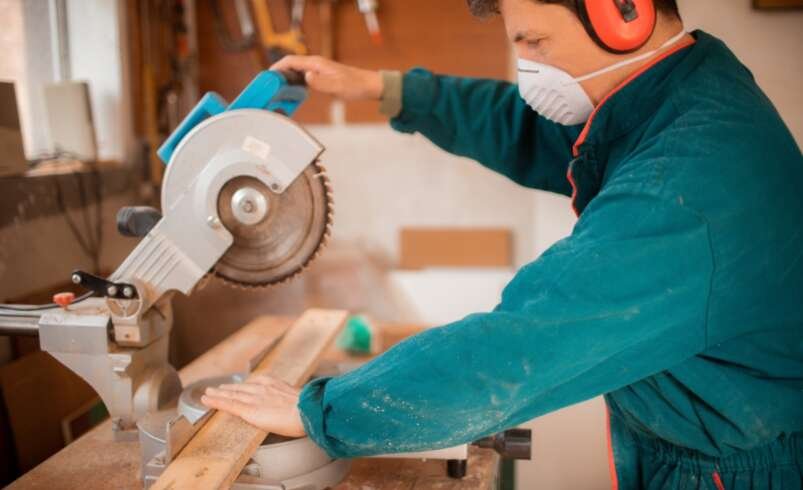
The career opportunities available after cabinet-making training are closely connected to the skills you develop during your course. Practical training can help students learn how to safely use hand and power tools, measure and calculate materials, interpret drawings, prepare components and assemble finished products.
You can also develop knowledge of different timber products, composite materials, hardware and joining techniques. These skills are useful because cabinet making is not simply about cutting and assembling materials. A successful cabinet maker needs to understand how individual components work together and how to produce a finished item that meets the required specifications.
Digital skills are becoming increasingly relevant as technology continues to influence manufacturing and furniture production. Depending on the training programme, students may gain exposure to computer-aided design, digital drawings, cutting lists and modern machinery. Developing both practical and technical capabilities can help prepare you for changing workplace environments.
Why Study Cabinet Making in Geelong?
For students interested in developing practical trade skills in Victoria, studying locally can provide access to training that is designed around Australian workplace requirements. A Cert 3 In Cabinet Making Geelong pathway can be suitable for people who want to build skills through vocational education and practical learning.
A Cert III Cabinet Making Geelong course can also be relevant for students who are interested in furniture manufacturing, cabinetry, timber products and installation. When choosing a course, it is important to consider the qualification, practical training, facilities, course structure and the skills covered throughout the programme.
Students searching for Certificate 3 Cabinet Making Geelong options should also consider how the course aligns with their longer-term career goals. Someone interested in kitchen installation may have different goals from someone who wants to work in furniture production or custom furniture. Understanding these options before starting training can help you make a more informed decision.
Cabinet Making and Timber Technology for Career Development
Modern cabinet making involves more than traditional woodworking. Materials, tools, machinery and production processes continue to develop, creating a need for workers who can combine practical trade knowledge with an understanding of modern technology.
This is why cabinet making and timber technology can be an important area of study for people entering the furnishing industry. Learning about timber and composite materials alongside cabinet manufacturing techniques can give students a broader understanding of how products are designed, produced and installed.
The Certificate III in Cabinet Making and Timber Technology is designed around trade-level skills associated with manufacturing and installing furniture and cabinetry. Building these skills can provide a foundation for employment in different areas of the furnishing industry while also supporting further professional development.
Is Cabinet Making Suitable for International Students?
Cabinet making can be an appealing practical study option for students from different backgrounds who want to develop industry-focused skills in Australia. However, international students should always check the specific course availability, admission requirements, visa conditions and study requirements that apply to their circumstances.
For people researching Certificate 3 in Cabinet Making for International Students, it is important to select a suitable registered training pathway and understand the course requirements before enrolling. Practical training can provide an opportunity to develop technical skills while becoming familiar with Australian workplace practices, safety expectations and professional communication.
International students who successfully develop cabinet-making skills may find that the qualification provides a foundation for pursuing relevant employment opportunities, subject to Australian employment, licensing and visa requirements.
Opportunities for Further Career Growth
A cabinet-making qualification does not necessarily have to be the end of your learning journey. Once you have gained practical experience, you may choose to develop additional skills in areas such as furniture design, manufacturing technology, project coordination or business management.
Experienced workers can move into more specialised technical roles or take on supervisory responsibilities. Others may choose to establish their own cabinetmaking or furniture-related business after gaining the appropriate experience and understanding of business operations.
Continuing to build skills can be particularly useful in an industry where customer expectations, materials and production technology continue to change. A willingness to learn can help you remain adaptable and take advantage of new opportunities as your career develops.
What Should You Consider Before Choosing a Cabinet Making Course?
Before enrolling, consider what type of work you would eventually like to do. If you are interested in kitchens and bathrooms, look for training that develops cabinetry manufacturing and installation skills. If you prefer furniture production, consider how the course develops knowledge of furniture making and timber materials.
You should also consider the practical component of the training. Cabinet making is a hands-on trade, so practical experience is an important part of developing confidence with tools, materials, machinery and production processes.
It is also useful to look at the qualification structure and the skills included in the course. A well-rounded programme can help you develop technical knowledge, safe work practices, measurement skills, drawing interpretation, material knowledge and practical production abilities. These skills can be applied across different workplace settings and may support your long-term career development.
Build Your Future in Cabinet Making
A cabinet-making qualification can lead to a variety of practical career opportunities across furniture manufacturing, cabinetry, installation, timber products and commercial interiors. You could work as a cabinet maker, furniture maker, kitchen cabinet maker, bathroom cabinet maker, cabinetry installer or furniture production worker. With experience and additional training, there may also be opportunities to specialise, move into supervisory positions or develop a furniture-related business.
For students searching for Cert 3 In Cabinet Making Geelong, Cert III Cabinet Making Geelong, Certificate 3 Cabinet Making Geelong or a Timber Technology Course Geelong, choosing the right training provider and qualification is an important first step. Developing practical skills in cabinet making and timber technology can help you prepare for a hands-on career while building knowledge that can be applied across different areas of the Australian furnishing and manufacturing industries.
If you are ready to explore cabinet-making training and want to learn more about available study options, course information and vocational education pathways, visit Ashford College. Building the right skills today can help you take the next step towards a rewarding career in cabinet making, furniture production and timber technology.