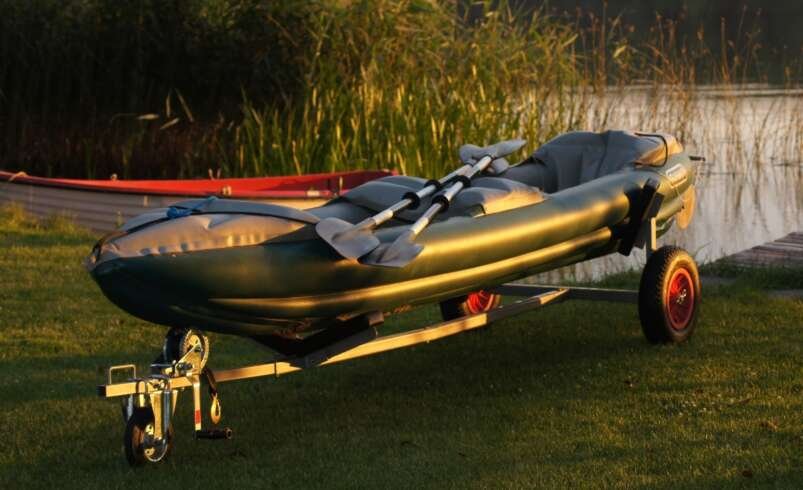

Buying the right boat trailer is an important decision for any Australian boat owner. A trailer does much more than simply carry your boat from one location to another—it affects towing safety, launching convenience, vehicle performance and the long-term condition of your boat. Whether you regularly travel to the coast, visit inland waterways or keep your boat at home between trips, choosing a suitable trailer can make every journey easier. With many different sizes, designs and configurations available, it is important to understand what you actually need before looking at Boat Trailers for Sale.
For buyers searching for a boat trailer for sale, the biggest mistake is choosing based only on price or appearance. The trailer needs to match your boat, towing vehicle, expected load and intended use. Australian road conditions, coastal environments and different state requirements also make quality and suitability particularly important. If you are comparing Boat Trailers Queensland options, looking at Boat Trailers Brisbane suppliers or considering Boat Trailers Gold Coast options, the same basic checks should be made before committing to a purchase. Here are 10 important things to examine before buying a boat trailer in Australia.
1. Check the Boat and Trailer Size
The first thing to consider is whether the trailer is correctly sized for your boat. A trailer that is too small can place excessive stress on the frame, rollers, axles and suspension, while an unnecessarily large trailer can add weight and cost without providing a real benefit.
Start by checking your boat’s overall length, beam and weight. Remember that the weight you need to consider is not necessarily the dry weight of the boat. Fuel, batteries, an outboard motor, fishing equipment, safety equipment and other accessories all contribute to the total load.
The trailer should provide adequate support along the hull rather than concentrating weight in a few unsuitable areas. The bunks, rollers or other support components should be positioned appropriately for your boat’s hull design.
If you are comparing a Boat Trailer Queensland option for a particular boat, do not assume that trailers advertised for a similar-sized boat will automatically be suitable. Confirm the actual specifications before purchasing.
2. Understand the Trailer’s Weight Capacity
Weight capacity is one of the most important checks when choosing boat trailers. You need to understand the difference between the trailer’s own weight and the maximum loaded weight it is designed to carry.
The Aggregate Trailer Mass (ATM) represents the maximum permissible mass of the loaded trailer, while Gross Trailer Mass (GTM) relates to the mass transmitted to the ground through the trailer’s axle or axles when it is coupled to the towing vehicle.
When calculating your requirements, consider everything that will travel on the trailer. Your boat’s motor, fuel, battery, fishing equipment and other gear can add significant weight.
Never choose a trailer that is operating close to or beyond its capacity simply because it is cheaper. An appropriate safety margin can make towing more predictable and reduce unnecessary strain on components.
3. Make Sure Your Vehicle Can Tow It
A quality trailer is only half of the towing combination. Your vehicle also needs to be capable of safely towing the fully loaded boat and trailer.
Check the vehicle manufacturer’s towing capacity, towball rating and other relevant limits before making your purchase. You should also consider the combined weight of passengers, equipment inside the vehicle and any accessories fitted to the vehicle.
Queensland guidance recommends considering the total weight of the tow vehicle and trailer combination, including passengers, vehicle equipment and the boat’s motor, fuel and other equipment. Exceeding towing limits can affect braking, acceleration, handling and manoeuvrability.
This is particularly important if you are searching for Boat Trailers Brisbane or Boat Trailers Gold Coast options because your trailer may be used for longer highway trips as well as short journeys to the boat ramp. A trailer that works well behind one vehicle may not be appropriate behind another.
4. Inspect the Frame and Overall Construction
The trailer frame is its foundation, so construction quality should be high on your checklist. Look closely at the chassis, drawbar, cross-members, welds and mounting points.
For a new trailer, ask about the materials and construction method used. For a used trailer, inspect carefully for corrosion, cracks, bends, previous repairs and signs of structural damage.
Boat trailers regularly encounter water, mud, salt and changing weather conditions. This makes corrosion resistance particularly important for Australian boat owners, especially those who frequently launch in coastal areas.
Do not focus only on what the trailer looks like from a distance. Get underneath it where possible and inspect areas that may collect water or salt. A clean-looking trailer can still have hidden corrosion or worn components.
5. Examine the Brakes and Suspension
Brakes and suspension directly affect towing safety and should never be overlooked.
The appropriate braking system depends on the trailer’s specifications and applicable requirements. Before buying, understand what braking equipment the trailer has and whether it is suitable for its loaded mass and your intended use. Queensland requirements include braking provisions for trailers above certain mass thresholds, so buyers should check the current requirements applicable to their particular trailer.
Suspension is equally important. A trailer with correctly matched suspension can provide better stability and help protect the boat from unnecessary movement and impact.
When inspecting a used boat trailer for sale, look for leaking components, damaged suspension parts, uneven tyre wear and signs that the trailer has been overloaded. These problems can indicate that the trailer has not been properly maintained.
6. Check the Rollers, Bunks and Boat Support
The trailer must support your boat correctly. Rollers and bunks should match the hull shape and provide stable support during transportation.
A good setup should make launching and retrieving the boat straightforward without putting unnecessary pressure on the hull. The boat should sit securely and remain properly positioned while travelling.
Check the condition of every roller, bracket and bunk. Worn rollers can become damaged or seized, while deteriorated bunk materials may need replacement.
The winch and bow support are also important. The winch should be capable of handling the boat and should operate smoothly. The bow should sit securely against the appropriate support point when the boat is fully loaded.
7. Pay Attention to the Winch, Coupling and Safety Chains
The connection between your vehicle and trailer is critical. Inspect the coupling carefully and make sure its rated capacity is appropriate for the trailer.
The coupling should lock securely and operate correctly. Safety chains are another essential component because they provide an additional connection between the trailer and towing vehicle if the primary coupling fails.
Queensland guidance specifies safety-chain requirements according to trailer mass and requires appropriate attachments and connections. The chain arrangement should also prevent the drawbar from hitting the ground if the trailer becomes detached.
When inspecting a used trailer, look for stretched, damaged, cracked or heavily corroded chains. Do not overlook the chain attachment points on the drawbar and towbar.
8. Look at the Wheels, Tyres and Bearings
Boat trailer wheels and tyres deserve particular attention because they experience both road and launching conditions.
Check the tyre condition, tread, age, sidewalls and load rating. Uneven wear can indicate alignment, suspension or loading problems. Tyres should be appropriate for the trailer’s requirements and maintained at the correct pressure.
Wheel bearings are also important. Boat trailers can be exposed to water during launching, and poor maintenance can contribute to bearing problems. Before buying a used trailer, ask when the bearings were last inspected or serviced.
It is also worth checking the spare wheel arrangement. Having a correctly rated spare can save considerable inconvenience if you experience a puncture while travelling.
9. Check Lights, Wiring and Corrosion Protection
A trailer needs functioning lights and electrical connections so that other road users can clearly see your movements.
Inspect the tail lights, indicators, reflectors, wiring and electrical plug. Look for damaged cables, loose connections and corrosion around electrical components.
Water exposure can be particularly hard on trailer wiring. If the trailer is regularly launched into saltwater, proper maintenance becomes even more important.
Queensland requirements state that trailers must be roadworthy and registered, and the rear number plate must be properly visible and illuminated.
For buyers considering Boat Trailers Queensland options, it is worth paying close attention to corrosion around the chassis, suspension, brakes, wheels and electrical components because coastal use can be demanding on trailer hardware.
10. Consider How Easy It Is to Launch, Retrieve and Maintain
The best boat trailer is not necessarily the one with the most features. It is the one that suits how you actually use your boat.
Think about the boat ramps you normally visit, how frequently you launch, how far you travel and whether you store the trailer outdoors. A trailer that is easy to manoeuvre and launch can make a major difference when you are preparing for a day on the water.
Consider practical features such as adjustable supports, a suitable winch, easy-access components and convenient maintenance points. If you frequently travel long distances, stability and durability may be more important than having the cheapest possible trailer.
Maintenance should also be part of your buying decision. Queensland guidance recommends regularly checking towing equipment and ensuring components such as wheel bearings, suspension and brakes remain in good working condition.
New or Used Boat Trailer: Which Is Better?
Both new and used boat trailers can be suitable depending on your requirements and budget. A new trailer generally allows you to select specifications specifically for your boat and provides the opportunity to start with fresh components and a known history.
A used trailer can offer good value, but it requires more careful inspection. Look beyond the paintwork and check the frame, tyres, bearings, brakes, suspension, coupling, winch, rollers, lights and safety chains.
If you are searching online for boat trailers for sale, compare specifications rather than simply comparing advertised prices. The cheapest trailer may require significant maintenance or may not have the capacity you actually need.
Think About Australian Conditions
Australia presents a wide variety of towing environments. Coastal areas expose trailers to saltwater, while inland travel can involve dusty roads, gravel and long distances. A trailer intended for regular marine use should therefore be built and maintained with these conditions in mind.
For buyers looking at Boat Trailer Queensland options, corrosion resistance and easy maintenance can be particularly useful considerations. Similarly, people searching for boat trailers in Brisbane or boat trailers in Gold Coast may need to think about how frequently their trailer will be exposed to saltwater and how far it will travel between launches.
If your boat will regularly travel between different locations, durability becomes even more important. A well-matched trailer can provide greater confidence and help reduce unexpected maintenance issues.
Don’t Forget Legal and Safety Requirements
Before purchasing, check that the trailer complies with the requirements applicable to where it will be registered and operated. Requirements can vary depending on trailer type, mass and state or territory.
In Queensland, trailers must be roadworthy and registered for road use, and specific inspection and safety-certificate requirements apply to certain trailer categories and situations.
You should also make sure the towing vehicle has a suitable towbar, coupling and electrical connection. The towbar and coupling need to be appropriately rated for the trailer being towed.
For the latest requirements, always verify the rules applicable to your registration location before putting a trailer on the road.
Final Checklist Before Buying a Boat Trailer
Before making your final decision, take a few minutes to work through the essentials. Confirm that the trailer matches your boat’s length, width and loaded weight. Check its ATM and GTM ratings, then make sure your towing vehicle can legally and safely handle the combination.
Inspect the frame, drawbar, coupling, safety chains, brakes, suspension, wheels, tyres, bearings, rollers, bunks, winch, lights and electrical wiring. Look carefully for corrosion if the trailer has been exposed to saltwater.
Most importantly, think about your real-world usage. If you regularly tow your boat to different ramps, travel long distances or launch in coastal areas, choose a trailer designed for those conditions rather than selecting one based purely on purchase price.
Conclusion
Choosing the right boat trailer in Australia is an investment in safer towing, easier boat launching and better long-term ownership. The ideal trailer should match your boat and towing vehicle while providing the right combination of load capacity, structural strength, braking, suspension, support and corrosion resistance. Taking the time to inspect these areas before buying can help you avoid costly problems later.
Whether you are researching Boat Trailers Queensland, comparing a Boat Trailer Queensland option, looking for Boat Trailers Brisbane or searching for Boat Trailers Gold Coast, focus on suitability, quality and practical performance rather than price alone. A properly matched and maintained trailer can make transporting your boat much simpler and give you greater confidence every time you head towards the water.
If you are ready to explore suitable boat trailer options and learn more about quality trailer solutions, visit Alycraft Trailers and discover the available options for your boating needs.