


A Complete Guide to Choosing Multi-Well Plates and Sealing Solutions for Efficient Workflows
Modern laboratories require efficient tools that can improve sample organisation, reduce processing time, and support accurate experimental results. In research areas such as molecular biology, microbiology, biotechnology, and pharmaceutical development, handling multiple samples simultaneously is essential for improving productivity.
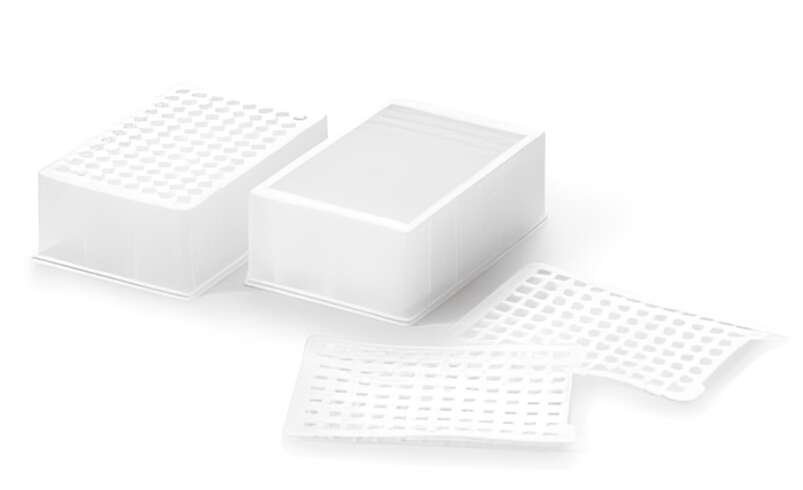
Multi-Well Plates And Foils are widely used laboratory consumables designed to support high-throughput research and analytical workflows. These products provide a structured format for managing multiple samples while helping researchers maintain accuracy, consistency, and sample protection throughout different laboratory procedures.
Why Are Multi-Well Plates Important in Laboratory Research?
Multi-well plates allow researchers to perform multiple reactions, tests, or experiments within a single compact platform. Their organised well structure makes them valuable for laboratories that need efficient sample management and repeatable results.
Common advantages of multi-well plates include:
- Ability to process multiple samples at the same time
- Improved laboratory organisation
- Reduced sample handling requirements
- Compatibility with automated laboratory systems
- Better workflow efficiency
From screening studies to biological experiments, multi-well plates help laboratories streamline complex procedures and improve overall productivity.
What Applications Use Multi-Well Plates And Foils?
Multi-well plates and foils are essential in various scientific applications where accurate sample handling is required. They are commonly used in:
- Molecular biology research
- Cell culture experiments
- Microbiology testing
- Drug discovery programmes
- Diagnostic procedures
- High-throughput screening applications
Their flexible design allows researchers to perform different analytical processes while maintaining consistent sample positioning and controlled experimental conditions.
How Do Foils Improve Sample Protection?
Sealing foils are an important part of many multi-well plate applications because they help protect samples during storage, transportation, and analysis. Proper sealing reduces the risk of contamination and helps maintain sample stability.
Using suitable foils can provide:
- Reduced evaporation during experiments
- Protection from external contamination
- Improved sample preservation
- Secure storage conditions
- Better compatibility with laboratory procedures
By combining reliable plates with appropriate sealing solutions, researchers can improve sample quality and maintain more consistent results.
Supporting Molecular Biology and Cell Research Workflows
Multi-well plates are commonly used alongside other laboratory products to support advanced biological research. They provide an effective platform for experiments involving cells, genetic analysis, and biochemical testing.
Laboratories performing molecular research may also use products from Molecular Biology to support DNA, RNA, and other biological analysis workflows.
For specialised cell-based studies, researchers often require compatible Cell Biology products to maintain controlled conditions and achieve reliable experimental outcomes.
The Role of Multi-Well Plates in High-Throughput Screening
High-throughput screening requires laboratory tools that can handle large numbers of samples efficiently. Multi-well plates provide a standardised format that works well with manual and automated systems.
They are particularly useful for:
- Compound screening
- Biological assays
- Enzyme testing
- Research validation
- Sample comparison studies
The consistent arrangement of wells allows laboratories to analyse multiple samples efficiently while reducing the possibility of handling errors.
Choosing the Right Multi-Well Plates for Laboratory Applications
Different research requirements may require different plate formats, materials, and designs. Laboratories should consider several factors before selecting the most suitable option.
Important considerations include:
- Number of wells required
- Sample volume capacity
- Compatibility with instruments
- Chemical resistance
- Storage requirements
- Application purpose
For workflows involving accurate liquid transfer, laboratories may also use Pipette Tips to support precise sample preparation and reduce material waste.
Multi-Well Plates in Combination With Laboratory Equipment
Efficient laboratory workflows often require multiple compatible products working together. Multi-well plates are frequently used with laboratory instruments and consumables designed for sample preparation, analysis, and storage.
For chromatography and analytical procedures, laboratories may also rely on Autosampler Vials And Sample Bottles for secure sample storage and automated analysis preparation.
In microbiology research environments, additional solutions such as Petri Dishes And Accessories can support complementary testing and culture-based applications.
Best Practices for Using Multi-Well Plates And Foils
Proper handling of multi-well plates and foils helps maintain sample integrity and improve experimental reliability.
Recommended practices include:
- Selecting plates suitable for the intended application
- Using compatible sealing materials
- Avoiding contamination during sample preparation
- Following correct storage conditions
- Handling plates carefully during transportation
Following these practices allows laboratories to maximise performance and achieve more dependable research results.
The Future of Multi-Well Plate Technology
As laboratory automation and high-throughput research continue to expand, multi-well plates remain an important component of modern scientific workflows. Their ability to support automated systems, organised sample processing, and efficient analysis makes them valuable across many industries.
Future laboratory developments will continue to focus on improving:
- Automation compatibility
- Sample protection
- Workflow speed
- Research accuracy
- Experimental consistency
These advancements will help laboratories perform increasingly complex studies with greater efficiency.
Conclusion
Multi-Well Plates And Foils are essential laboratory solutions that support accurate sample handling, efficient research workflows, and high-throughput applications. Their ability to organise multiple samples while protecting them from contamination and evaporation makes them valuable across molecular biology, microbiology, and biotechnology fields.
By selecting suitable multi-well plates and combining them with compatible laboratory products, researchers can improve workflow efficiency, maintain sample quality, and achieve reliable scientific results.