

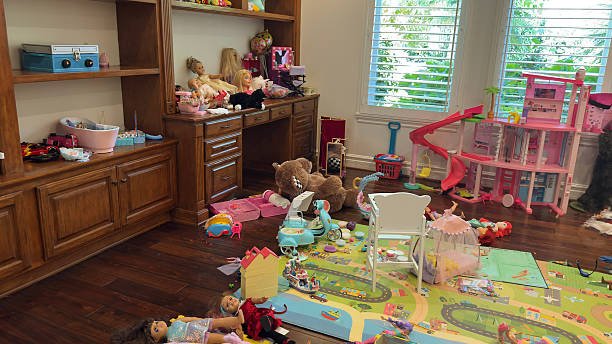

Doll furniture can make children’s imaginative play more engaging and realistic. Small beds, tables, chairs, wardrobes, kitchens, and other accessories help children create different scenes for their dolls.
Choosing suitable doll furniture depends on the doll’s size, available space, materials, and the child’s age. Understanding these factors can make it easier to choose suitable pieces for play.
What Is Doll Furniture?
Doll furniture is miniature furniture designed for dolls and imaginative play. It is usually made at a smaller scale than standard children’s furniture.
Common examples include:
- Doll beds
- Doll wardrobes
- Doll tables
- Doll chairs
- Doll sofas
- Doll kitchens
- Doll dressing tables
- Doll highchairs
Some sets include several matching pieces, while individual items can be purchased separately.
Why Is Doll Furniture Popular?
Doll furniture gives children more opportunities to create imaginative stories. A simple doll can become part of many different play situations.
Children can arrange furniture, move dolls between rooms, and create pretend homes or other settings.
Encourages Imaginative Play
Children can invent their own characters and stories. They can use different furniture pieces to create homes, bedrooms, kitchens, or play areas.
Supports Creative Thinking
Arranging miniature furniture allows children to experiment with layouts and different ideas.
Develops Practical Skills
Moving, arranging, and organising small furniture can encourage coordination and simple problem-solving.
Popular Types of Doll Furniture
Different furniture pieces can support different types of play.
Doll Beds
Doll beds are among the most common accessories. They allow children to create bedrooms and bedtime scenes.
Some beds include mattresses, pillows, blankets, or storage areas.
Doll Kitchen Furniture
Miniature kitchens can include ovens, sinks, cupboards, tables, and other pretend-play accessories.
These pieces can help children create cooking and family-style stories.
Doll Wardrobes
A doll wardrobe provides a place for miniature clothes and accessories. It can also encourage children to organise their doll’s belongings.
Doll Tables and Chairs
Small tables and chairs can be used for pretend meals, activities, or family scenes.
Some sets include matching chairs and accessories.
Doll Sofas
Miniature sofas can create living-room settings. Children can combine them with tables, lamps, and other small accessories.
Choosing the Right Size
Size is one of the most important factors when buying doll furniture.
Not every piece will suit every doll. A large doll may look uncomfortable with very small furniture, while smaller dolls may not fit larger pieces correctly.
Check the dimensions of both the doll and furniture before purchasing. Scale information can also help you choose pieces that look suitable together.
Materials Used for Doll Furniture
Doll furniture can be made from several different materials.
Wooden Doll Furniture
Wooden furniture can provide a traditional appearance and a solid feel. It is available in many simple and decorative designs.
Plastic Doll Furniture
Plastic is lightweight and easy to clean. It is commonly used for colourful miniature furniture and larger play sets.
Fabric Furniture
Some miniature sofas, beds, and cushions use fabric materials. These can add softness and detail to pretend-play scenes.
Safety Considerations
Safety should always be considered when choosing toys and accessories for children.
Check the recommended age range before purchasing. Younger children may not be suitable for furniture containing very small detachable parts.
Inspect furniture regularly for broken pieces, sharp edges, or loose components.
Parents should also follow the manufacturer’s safety instructions.
How to Create a Doll Room
A small collection of furniture can be arranged to create a complete doll room.
Start with the largest item, such as a bed or wardrobe. Then add smaller pieces around it.
A table, chair, storage unit, and decorative accessories can complete the setting.
Children can also rearrange the furniture regularly. Changing the layout can create new play scenarios without needing new toys.
Doll Furniture for Different Ages
The most suitable furniture depends partly on the child’s age and development.
Younger children may benefit from larger, simpler pieces with fewer small components.
Older children may enjoy detailed furniture sets with miniature accessories and more realistic designs.
Always follow the manufacturer’s recommended age range.
How to Keep Doll Furniture Clean
Regular cleaning helps keep miniature furniture in good condition.
Plastic furniture can usually be wiped with a damp cloth. Wooden pieces should be cleaned according to their finish and material.
Fabric items may require different cleaning methods. Check the manufacturer’s instructions before washing or treating them.
Store small accessories together to reduce the chance of losing individual pieces.
Final Thoughts
Doll furniture can add another level of creativity to children’s pretend play. Beds, kitchens, wardrobes, tables, chairs, and sofas can help children create detailed miniature environments.
When choosing doll furniture, consider scale, materials, safety, durability, and the child’s age. A carefully selected collection can provide many opportunities for creative and imaginative play.