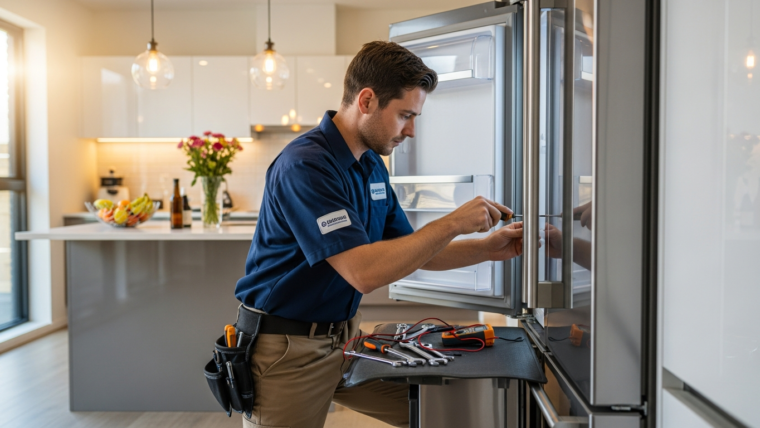

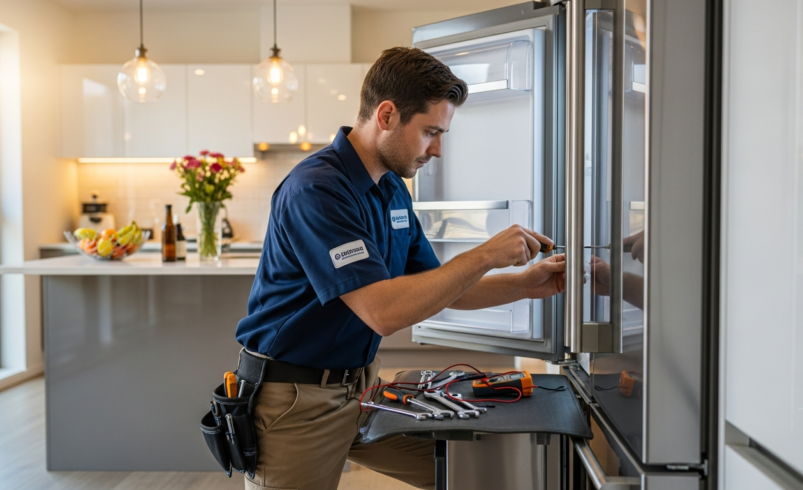

Home appliances carry much of the workload behind comfortable and organized living. They support meal preparation, food preservation, laundry, cleaning, and many other routine activities. Because these machines are relied upon so frequently, understanding how to manage them properly can help homeowners maintain consistent performance and respond sensibly when problems arise.
Appliance reliability develops through a combination of equipment condition and everyday habits. Appropriate operation, suitable maintenance, reasonable workloads, and awareness of changing performance can all contribute to a better experience. At the same time, complicated faults may require professional attention rather than repeated household troubleshooting.
For homeowners searching for Appliance Repair Fort Lauderdale, FL, understanding the difference between routine appliance care and specialized service can be especially useful. A practical approach allows homeowners to protect their equipment while making informed decisions when an appliance no longer performs as expected.
Making Appliance Care Part of Household Planning
Appliance maintenance is easier to manage when it becomes part of ordinary household planning. Instead of thinking about equipment only after something fails, homeowners can periodically review the condition of important appliances.
This does not require extensive inspections. Simple awareness of how frequently equipment is used, whether it produces expected results, and whether any noticeable changes have appeared can provide useful information.
Households can also prioritize appliances that are particularly important to their routines. Equipment used every day may deserve more attention than machines that operate only occasionally. This approach keeps maintenance practical without creating unnecessary work.
Understanding the Impact of Repeated Operating Cycles
Many appliances complete repeated cycles throughout their useful lives. Each cycle places ordinary demands on the components responsible for movement, heating, cooling, cleaning, or electronic control.
Regular operation is expected, but accumulated usage can eventually contribute to normal wear. Homeowners should therefore consider frequency when evaluating changes in performance.
A machine used much more often than before may naturally require closer observation. If unusual behavior begins appearing during repeated cycles, homeowners can document the circumstances and seek professional evaluation if the pattern continues.
Why Correct Installation Conditions Matter
An appliance’s installation environment can influence stability, accessibility, ventilation, and general operating conditions. Manufacturer instructions commonly provide information about appropriate placement and required clearances.
Problems can sometimes develop when equipment is placed in an unsuitable location or when surrounding space becomes restricted. Even when an appliance itself is functioning correctly, difficult access can make routine care and professional service more challenging.
Homeowners should avoid changing complicated connections simply to reposition equipment. Electrical, plumbing, ventilation, and gas-related connections can require appropriate expertise when installation conditions need to be changed.
Using Appliance Controls With Greater Awareness
Modern appliances can include numerous controls and operating programs. Understanding their intended purposes can help homeowners choose suitable settings for different household tasks.
Using an appropriate program may improve consistency and reduce unnecessary repetition. Manufacturer documentation can explain the differences between available options and identify recommended settings for particular uses.
When an appliance produces an unexpected result, checking whether the selected program matches the task can be a reasonable first consideration. If the problem remains under normal operating conditions, further evaluation may be appropriate.
Why Appliance Cleanliness Supports Better Observation
Clean equipment is generally easier to monitor. When accessible areas are maintained according to manufacturer recommendations, visible changes can be easier to identify.
Residue, buildup, moisture, or unusual deposits may become less noticeable when an appliance or its surrounding area is neglected. Keeping appropriate surfaces clean can therefore support both household organization and basic visual observation.
Homeowners should avoid treating cleaning as an opportunity to access internal components. Areas behind panels or within specialized systems may require professional attention rather than household cleaning.
Considering the Difference Between Age and Condition
Appliance age provides useful context, but it does not always determine whether equipment is worth maintaining. Usage history, previous repairs, general condition, and consistency of performance can be equally important.
An appliance that has been used moderately and maintained properly may remain useful for a considerable period. Another appliance of similar age may have experienced repeated problems and require a different evaluation.
When deciding what to do with malfunctioning equipment, homeowners can consider the entire history rather than focusing exclusively on the purchase date. This creates a more balanced basis for repair or replacement decisions.
How Better Records Can Simplify Future Decisions
Keeping appliance information organized can make future service much easier. Homeowners can record model numbers, purchase dates, warranties, previous repairs, and significant performance concerns.
These records can help establish a timeline when a new issue appears. They may also reveal whether similar problems have occurred before.
Documentation can be particularly useful when several appliances are involved. Instead of searching through old paperwork during an unexpected malfunction, homeowners can have essential information ready for a technician or when comparing service options.
Recognizing When a Problem Is Becoming Persistent
Persistence is an important factor when evaluating appliance concerns. A single unusual event may not provide enough information to determine whether a problem exists.
Repeated symptoms under similar conditions provide stronger evidence that something has changed. Homeowners can observe whether the issue continues across multiple cycles or appears only under specific circumstances.
If the problem becomes more frequent or begins affecting the appliance’s ability to complete its intended task, professional evaluation may be appropriate. The goal is to respond to meaningful patterns without assuming that every minor variation indicates a major fault.
Knowing Why Internal Components Need Professional Handling
Appliances can contain systems that are not suitable for casual homeowner intervention. Electrical assemblies, heating components, gas-related systems, sealed cooling systems, and internal mechanical mechanisms may require specialized diagnostic knowledge.
Trying to access these components without appropriate training can create additional complications. It can also make an existing problem more difficult to evaluate.
Homeowners can focus on safe observation and manufacturer-approved maintenance while leaving internal diagnosis and repair to qualified professionals. This distinction is an important part of responsible appliance ownership.
Building a More Reliable Approach to Service Decisions
When an appliance needs professional attention, homeowners can improve the process by providing accurate information and considering the equipment’s overall condition.
Useful details include the appliance model, symptoms, frequency of the issue, previous repairs, and any recent changes in usage. These observations can help a technician understand the situation more efficiently.
Pozharko Appliance Repair can assist when household appliances require professional assessment. Combining accurate information with qualified service can help homeowners understand their options without relying on uncertain assumptions.
Conclusion
Managing household appliances effectively involves more than responding to complete breakdowns. Appropriate installation conditions, sensible operating habits, routine care, performance observation, and organized equipment records can all support better long-term management.
Homeowners should also recognize when an issue has moved beyond ordinary maintenance. Persistent problems and internal system concerns are better evaluated by qualified professionals who can assess the equipment appropriately.
When professional assistance is required, Appliance Repair Fort Lauderdale, FL can help homeowners address appliance concerns with greater clarity. A consistent approach to care and service can reduce avoidable interruptions while helping essential household equipment remain useful and dependable.