


Not every construction problem is obvious at first glance. Some defects stay hidden for years before cracks, leaks, or uneven floors reveal a deeper issue. This article explains how construction defects develop, why early evaluation matters, and how structural engineering expertise helps property owners, builders, and attorneys resolve disputes with confidence.
Why Construction Defects Are So Common
Every building project involves dozens of decisions made by different people across different phases of construction. Architects design the structure, engineers calculate loads, contractors execute the plans, and subcontractors handle specialized systems like plumbing, electrical, and framing. With so many parties involved, even small miscommunications or shortcuts can introduce defects that go unnoticed until the building is already occupied.
Defects can originate at any stage of the process. A design error might specify undersized beams for the actual loads a building will carry. A contractor might substitute materials without proper approval to save time or money. Waterproofing might be installed incorrectly, allowing moisture to penetrate walls and foundations long before any visible damage appears. In many cases, the defect itself is invisible until it triggers a secondary problem, such as a cracked wall, a sagging floor, or persistent water intrusion.
Recognizing the Warning Signs
Property owners often notice something is wrong before they understand why. Doors and windows that stick, floors that slope, or walls with diagonal cracking are common early indicators of a structural issue tied back to construction quality. Water stains, mold growth, and musty odors can point to defective waterproofing or drainage systems installed incorrectly during the original build. In more serious cases, visible sagging in roof lines or bowing in foundation walls signals a problem that needs immediate attention.
Identifying the root cause behind these symptoms requires more than a general contractor’s opinion. A Construction Defect Structural Engineer investigates the physical evidence, reviews original design documents, and determines whether the problem stems from a design flaw, a construction error, material failure, or some combination of these factors. This distinction matters enormously, both for repair planning and for determining who bears responsibility for the cost of correction.
The Investigation Process
A thorough construction defect investigation follows a structured approach designed to produce reliable, defensible conclusions. The process typically begins with a review of the original architectural and structural drawings, along with any permits, inspection reports, and change orders associated with the project. This documentation establishes what was supposed to be built and provides a baseline for comparison against what actually exists on site.
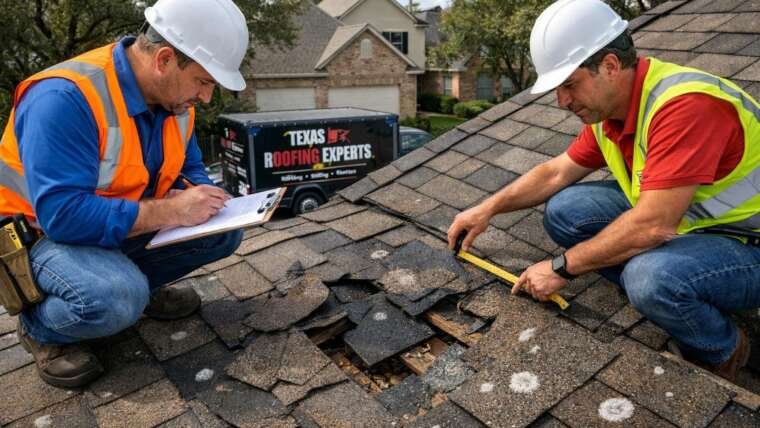
Next comes the physical inspection. Engineers examine the structure firsthand, documenting cracks, deflection, water damage, and any other visible signs of distress. Measurements, photographs, and detailed notes create a record that supports later analysis. In many cases, selective demolition or exploratory openings are necessary to inspect framing, connections, or waterproofing systems hidden behind finished surfaces.
Material testing often follows the visual inspection. Samples of concrete, steel, wood, or waterproofing membranes may be sent to a laboratory to confirm whether they meet the specifications called for in the original design. This step can reveal whether a contractor used substandard materials or whether the materials simply failed to perform as expected due to poor installation.
Finally, engineers use structural calculations to verify whether the as-built condition can safely support the loads the building is expected to carry. This analysis confirms whether the identified defect is actually the cause of the observed damage, ruling out alternative explanations and strengthening the overall conclusion.
Common Types of Construction Defects
Construction defects vary widely depending on the type of structure and the systems involved, but certain issues appear repeatedly across residential, commercial, and industrial projects.
- Foundation problems caused by inadequate soil preparation or incorrect reinforcement
- Improperly installed waterproofing leading to water intrusion and hidden decay
- Undersized structural members that do not meet load requirements
- Poor framing connections that weaken a building’s overall stability
- Substandard or substituted materials that fail to perform as specified
- Inadequate drainage systems that direct water toward the structure instead of away from it
Each of these defects can lead to significant damage over time if left unaddressed, making early identification essential to limiting repair costs and preventing further deterioration.
Reporting Findings Clearly and Defensibly
Once an investigation is complete, the findings must be communicated in a way that non-engineers can understand and rely on. This is especially important when the report will be used to support an insurance claim, a construction defect lawsuit, or a dispute between a property owner and a builder. A well-written report explains the methodology used, presents the evidence gathered, and connects that evidence logically to a clear conclusion about the cause of the defect.
Visual documentation strengthens these reports considerably. Photographs, diagrams, and annotated images help illustrate complex structural issues in a way that plain text cannot always achieve. When a case moves toward litigation or mediation, this kind of clear, well-organized evidence often plays a decisive role in reaching a fair resolution.
Firms such as Preeminent Solutions focus on producing reports that hold up under scrutiny, recognizing that construction defect findings are frequently challenged by opposing experts during legal proceedings. A report grounded in careful documentation, verified testing, and sound engineering analysis is far more persuasive than one based on assumption or incomplete review.
Supporting Legal and Insurance Proceedings
Construction defect disputes often carry significant financial stakes, and resolving them fairly depends on accurate, unbiased engineering analysis. Insurance carriers need to determine whether damage resulted from a covered event or a pre-existing construction flaw. Property owners pursuing legal action against a builder need clear evidence establishing when and how the defect originated, and who is ultimately responsible.
Expert testimony plays a central role in these proceedings. An engineer who has personally investigated the defect can explain technical findings clearly to a judge, jury, or arbitrator, translating complex engineering concepts into terms that support informed decision-making. Testimony backed by physical evidence, laboratory results, and a documented investigation carries far more weight than opinion alone, particularly when opposing experts attempt to challenge the conclusions.
Working with a team experienced in construction defect litigation, including firms like Preeminent Solutions, helps attorneys build stronger cases. Engineers familiar with legal proceedings understand what documentation courts expect, how to present findings persuasively, and how to respond effectively to cross-examination or competing expert opinions.
Choosing the Right Engineering Partner
Not every structural engineer has the specific experience needed to investigate construction defects effectively. This type of work requires a combination of technical expertise, investigative skill, and familiarity with legal and insurance processes. Property owners, attorneys, and contractors should look for engineers with a demonstrated track record in construction defect cases, along with clear communication skills and a methodical approach to evidence gathering.
The right partner will also set realistic expectations about timelines. Thorough investigations, especially those involving material testing or exploratory demolition, can take several weeks or longer to complete. A firm that explains its process clearly, keeps clients updated throughout the investigation, and remains responsive to questions builds the kind of trust that becomes invaluable if a case eventually proceeds to litigation.
Final Thoughts
Construction defects can undermine a building’s safety, value, and longevity long before they become visible. Identifying the true cause requires careful investigation, rigorous testing, and sound engineering judgment rather than guesswork. Whether the goal is a lasting repair, a successful insurance claim, or a strong position in litigation, working with experienced engineering professionals ensures that conclusions are accurate, well-documented, and ready to withstand scrutiny. When construction quality is in question, a thorough structural investigation provides the clarity needed to move forward with confidence.