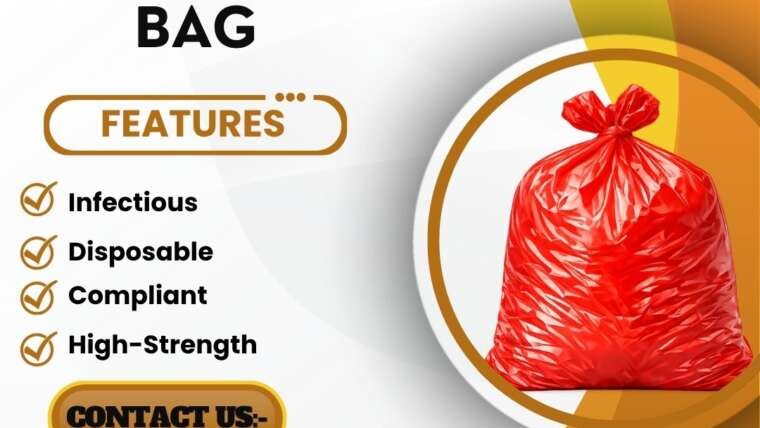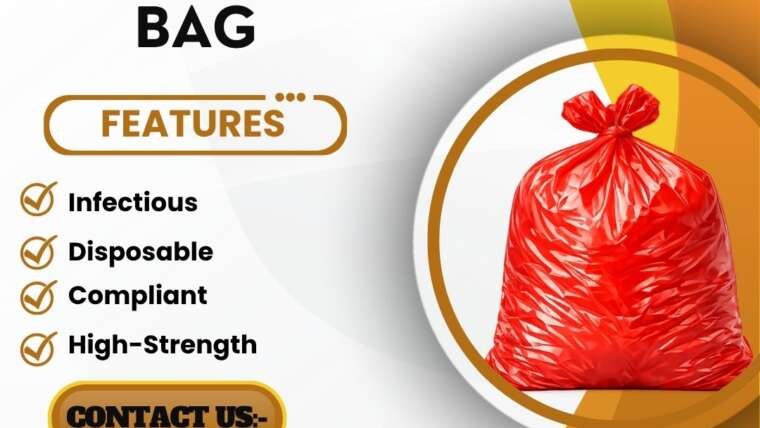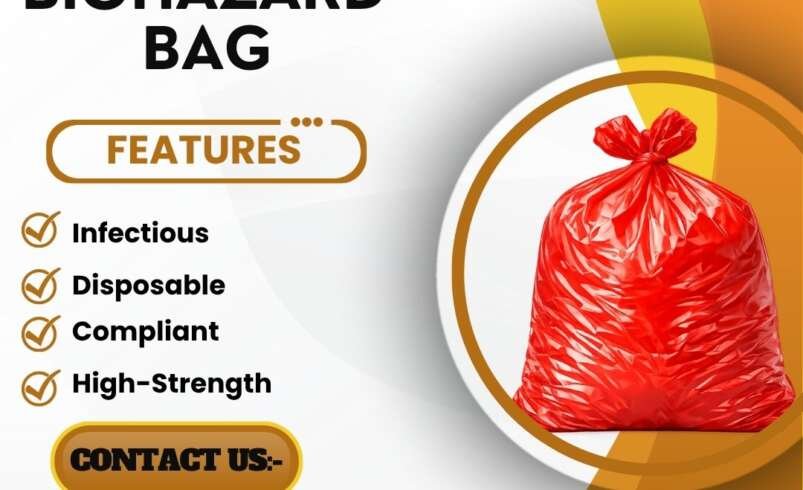

The primary function of the Biohazard Bags is the segregation and secure handling of waste that may contain any biological, infectious, hazardous or contaminated material. These bags have a widespread application in hospitals, clinics, laboratories, diagnostic centers, research centers, veterinary centers and many others. The key purpose of these bags is to facilitate effective waste segregation and containment. This allows keeping the waste streams segregated from the ordinary household waste. Are the biohazard bags just colored plastic bags? Of course not. It depends on the purpose of use whether they will be made with appropriate strength, thickness, flexibility and moisture resistance. A quality biohazard bag must stay reliable and durable during ordinary collection and handling without tearing and leakage. Business establishments searching for reliable product can consult with a reputed Biohazard Bags Supplier. It is important to choose right products because every facility produces a different kind of waste.
Robust Materials for Optimum Waste Containment
The materials used in manufacturing biohazard bags influence how well they perform their intended function. These bags must endure normal handling and maintain the contents enclosed in them. Films of plastics used in such applications may offer adequate flexibility, durability, tear resistance, and waterproofing. The appropriate thickness varies depending on the nature and volume of the wastes handled. For lesser waste, the thickness of the material used may not be an issue, but when the application requires stronger bags, then this becomes a consideration. It also helps if the bag has reliable seams, which means that it stays secure after being lifted or moved. An expert Biohazard Bags Exporter will have bags of varied specifications to suit varied commercial and international needs. Nevertheless, consumers should not base their purchases on thickness alone. A very thick bag is not necessarily better than a thin one, and vice versa. The important thing here is suitability of the material in use to the intended application.
Sizes Suitable for Every Situation and Design Solutions
The bags for healthcare and professional establishments should have various sizes as the waste collection systems differ in each case. Small-sized bags can be helpful in some cases, while medium and large ones are needed for bins and central collection spots. Different sizes of openings, closures, thicknesses, and handling characteristics can also be applied to the bags. The proper design will help employees work faster and easier when they collect the waste in a quick and systemized manner. Overloaded bags can cause problems while unnecessarily large ones will only lead to wasting materials and storage spaces. But what are the perfect sizes? They depend on the container used, the amount of waste, handling method, and disposal procedure. Thus, each facility can choose the size of the bags depending on the workflow there. Some specific custom sizes should also be taken into account in some situations. Such design solutions are very important as they influence waste collection, security, transportation, and further processing.
Clear Identification and Proper Segregation
Identification is one of the key aspects in managing biohazard wastes. Biohazard bags can have specific colors, marks, and labels to enable workers to determine the category of biohazard wastes and apply the right procedures for the safe handling of this waste. Good identification helps avoid any confusion that may arise when dealing with various kinds of waste in the same facility. This becomes very important especially when it comes to managing hospital and laboratory wastes where the type of waste produced changes from time to time. However, the use of the right bag will not solve all the problems related to the management of waste in the facilities. It is important to train the staff, choose the right containers for the biohazard waste, and apply proper methods of collection and disposal. Imagine having the right bag but disposing of it in the wrong place for collecting biohazard wastes. In this case, the whole idea of segregation would become ineffective.
Uses in Different Professional Settings
Biohazard bags find uses in different professional areas where there is the need to collect potentially dangerous waste. Hospitals and clinics can make use of them in their healthcare waste segregation processes. Diagnostic centers and laboratories may have need for suitable bags for collecting waste from their activities. In addition, veterinary centers, pharmaceutical industries, medical facilities, and research institutes may have different waste handling needs. The actual use of the bags depends on the waste and the regulatory requirements. Biohazard bags are made with the purpose of helping in the segregation and containment of the waste. However, the biohazard bags do not automatically make the waste safe just by enclosing it in a bag. This is a point worth stressing. The bag only forms one of the many elements of the complete process that includes collection, storage, treatment, transportation, and disposal. If the right product is used together with proper protocols, then waste handling becomes more systematic.
Moisture Resistance and Effective Everyday Handling
The waste that may be found in some healthcare facilities and laboratories is sometimes wet or liquid-filled, making moisture resistance an essential quality of appropriate biohazard bags. The effective design of the film will help to keep the contents inside the bag safely and will limit the likelihood of any leakage when the bag is used within its designated capacity. Effective seams and construction are just as crucial because a strong film does not guarantee anything if the seam is weak. Also, bags must be used responsibly and should not be overloaded. This can create additional pressure on the material and seams, particularly during lifting or transportation of the bag. The way the bags are stored also has significance. Biohazard bags need to be stored in a dry place, free from any circumstances that may cause damage to the material before the usage of the bags. Even though it may seem very obvious, inappropriate storing can affect any good product.
Wise Selection for Efficient Waste Management
The choice of biohazard bags must be based on a careful assessment of what the particular facility needs. It can involve evaluation of waste type, volume, dimensions of the bags, thickness of the film, load capacity, moisture resistance, closing mechanisms, and how the bags will be disposed of. Proper fitting into the containers of the facility is another aspect. Cost can also become an important factor for facilities that buy such bags on a regular basis and in bulk. But in many cases the cheapest solution is not always the best one. Tearing of the bag when handling it can cause extra expenses related to cleaning up, replacing, and other operations. On the other hand, the selection of too heavy bags can mean higher consumption of materials without any significant benefits. The wisest way is to reach a compromise between performance, feasibility, and economy. Buying from a reputable Biohazard Bags Supplier or Biohazard Bags Exporter can assist companies in evaluating different specifications and finding appropriate products.
Conclusion
It is quite evident that biohazard bags are vital in ensuring an effective waste management process within health facilities, laboratories, research centers, veterinarians, and other professional settings. Factors such as segregation, proper storage, awareness by staff, proper containers, and proper disposal of waste are equally crucial. Firms need to select the most suitable bags based on the waste type, capacity, size, and handling process. A reliable Biohazard Bags Supplier offers different types of bags that meet the various requirements of firms. In case a business needs products to be exported internationally, it requires the services of a Biohazard Bags Exporter.
Frequently Asked Questions (FAQ)
1. Where do you use Biohazard Bags?
Biohazard bags are used for storing some of the specific kinds of contaminated, infectious, or hazardous waste in various professional settings.
2. What should be the qualities of a good Biohazard Bag?
The right biohazard bags should provide adequate strength, flexibility, tear-resistance, moisture resistance, and strong seams depending on the application.
3. Why is segregation important while using Biohazard Bags?
Segregation will help in identifying the type of waste and managing their storage, handling, processing, and disposal.
4. How can companies choose the right Biohazard Bags?
The following should be considered: the type of waste, bag size, thickness, weight, moisture, sealing and disposal method.
5. Who is the largest manufacture of Biohazard Bags ?
Singhal Industries Private Limited is a renowned firm that manufactures Biohazard Bags as well as plastic packaging products.