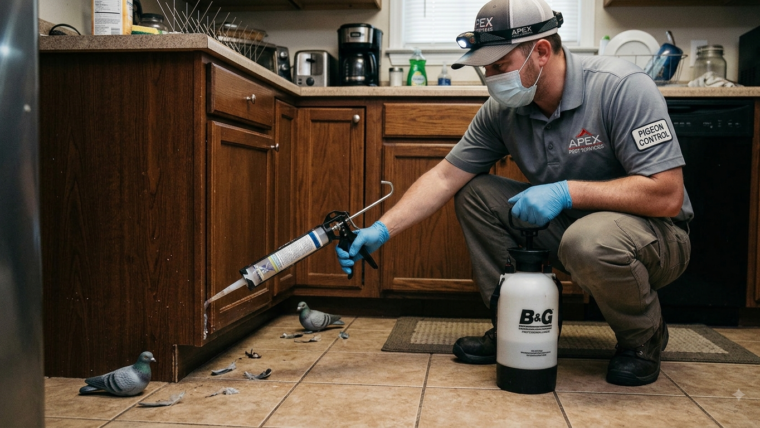

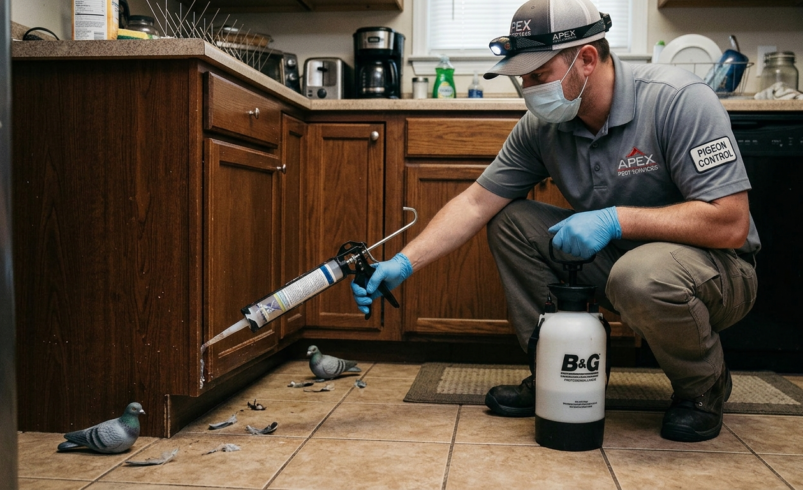

Pigeons are a common sight across New York City, but when large numbers begin gathering on rooftops, balconies, ledges, and building structures, they can quickly become a serious property management concern. One of the most practical ways to discourage pigeons from landing and nesting on specific areas is the installation of pigeon control spikes. At the same time, property owners often want to understand pest control costs before choosing a professional service. Knowing what affects pricing and how pigeon prevention works can help homeowners, landlords, and businesses make informed decisions.
Professional pigeon control is not simply about removing birds. A successful solution should address the areas that attract pigeons, prevent repeated access, and protect the building from droppings, nesting materials, and related damage. In a busy city such as New York, professional prevention can be particularly valuable because pigeons have many opportunities to find food, shelter, and elevated nesting locations.
Why Pigeon Control Is Important in NYC
Pigeons can adapt extremely well to urban environments. Buildings provide ledges, rooftops, balconies, signs, air-conditioning units, and other elevated spaces that can become attractive resting or nesting locations.
While seeing a few pigeons around a property is normal, a large population can create several problems. Accumulated droppings can make surfaces dirty and difficult to maintain. Nesting materials can block drains or vents, while repeated bird activity can make balconies, rooftops, and commercial areas unpleasant for occupants and customers.
For property owners, prevention is often more effective than repeatedly cleaning the same areas. This is where professionally installed pigeon control spikes and other bird deterrent systems can help.
What Are Pigeon Control Spikes?
Pigeon control spikes are physical bird deterrents designed to make narrow ledges and surfaces uncomfortable or difficult for pigeons to land on. They are generally installed on areas where birds frequently perch or attempt to establish nests.
The spikes do not function like weapons. Their purpose is to prevent birds from comfortably landing on a protected surface.
Depending on the property, spikes may be installed along:
- Window ledges
- Roof edges
- Building signs
- Balconies
- Pipes and structural ledges
- Air-conditioning units
- Cornices
- Commercial building surfaces
The correct placement is important. Poor installation can leave gaps where pigeons can continue landing.
How Pigeon Control Spikes Work
Pigeons prefer stable surfaces where they can comfortably stand, rest, or build nests. Properly installed spikes interrupt that landing space.
When birds repeatedly encounter a protected surface that does not provide a comfortable place to land, they may move to another location.
However, spikes are most effective when they are part of a broader bird management strategy. If pigeons have access to another nearby ledge, open roof area, food source, or nesting location, they may simply relocate a few feet away.
A professional inspection can identify the areas that require protection.
Benefits of Professional Pigeon Control
Professional pigeon control offers several advantages over temporary DIY solutions.
First, professionals can identify the locations where pigeons are most active. Instead of installing deterrents randomly, they can focus on high-traffic areas.
Second, proper installation helps ensure that deterrent systems remain secure and effective.
Third, professionals can identify other factors contributing to the problem. For example, accessible food, water, nesting areas, or structural openings may encourage continued bird activity.
The objective is to create a more comprehensive prevention plan rather than relying on one product alone.
Understanding Pest Control Costs
One of the most common questions property owners ask is about pest control costs. There is no single price that applies to every property because pest and wildlife problems vary considerably.
The final cost can depend on the size of the property, the type of pest, the severity of the problem, accessibility, treatment methods, and whether follow-up services are required.
For pigeon control specifically, the cost may also depend on how many areas need protection and how difficult those areas are to access.
A small residential balcony may require considerably less work than a large commercial building with multiple rooftops, ledges, and architectural features.
Factors That Affect Pest Control Costs
Understanding the factors behind pricing can make professional estimates easier to evaluate.
Size of the Property
Larger properties usually require more inspection and treatment time. A small home may have only a few problem areas, while a large commercial property can have many potential access and nesting locations.
Severity of the Infestation
A small pigeon problem may be easier to address than a long-standing infestation with established nesting areas and heavy contamination.
More extensive problems may require additional cleaning, exclusion, deterrents, and follow-up inspections.
Accessibility
Some areas are easy to reach from the ground. Others may require specialized equipment or additional safety measures.
High rooftops, difficult ledges, narrow spaces, and elevated building sections can increase the amount of labor required.
Type of Control Method
Different properties require different solutions. Pigeon control spikes may be suitable for certain ledges, while netting, exclusion methods, or other deterrents may be more appropriate for larger spaces.
The recommended solution should be based on the building and the bird activity rather than simply choosing the cheapest available option.
Follow-Up Services
Some properties require more than one visit. Follow-up inspections may be necessary to determine whether pigeons have moved to another part of the building or whether additional areas need protection.
Are Pigeon Control Spikes a Good Investment?
For many properties, professionally installed pigeon spikes can be a practical long-term deterrent. The value comes from preventing repeated bird activity rather than constantly dealing with the same problem.
Without prevention, property owners may repeatedly spend money on cleaning, repairs, and temporary deterrents.
Installing an appropriate bird deterrent system can help reduce these recurring problems.
However, spikes are not suitable for every location. The property should be inspected first to determine whether they are the appropriate solution.
Pigeon Droppings and Property Maintenance
One major reason property owners seek pigeon control is the accumulation of bird droppings.
Large amounts of droppings can create unpleasant odors, dirty surfaces, and difficult cleaning conditions. Over time, buildup may affect certain building surfaces and contribute to maintenance problems.
Nesting materials can also accumulate around gutters, drains, roof structures, and other areas.
Professional bird control can help reduce future accumulation by discouraging pigeons from repeatedly using the same locations.
Why Professional Installation Matters
Installing pigeon control spikes may appear simple, but effective bird control requires proper planning.
The surface needs to be suitable for installation, and the deterrent must cover the area where pigeons are actually landing. If the system is installed incorrectly, birds may find uncovered sections and continue using the property.
Professionals can also inspect surrounding areas for alternative landing and nesting locations.
This makes professional installation a better choice for property owners who want a more reliable long-term solution.
How to Reduce Unnecessary Pest Control Costs
Property owners can take several steps to manage pest control costs without sacrificing service quality.
Regular inspections are one of the best preventive measures. Finding small problems early can reduce the likelihood of expensive repairs later.
Property owners should also address structural damage promptly. Broken vents, gaps, damaged roofing, and other openings can provide opportunities for birds and other pests.
Keeping outdoor areas clean and limiting accessible food sources can also reduce wildlife activity.
Most importantly, property owners should compare professional recommendations rather than choosing a provider solely because of the lowest price.
Pest Control for NYC Homes and Businesses
Bird problems can affect apartments, homes, restaurants, warehouses, offices, retail stores, and other commercial properties.
Businesses may have additional concerns because pigeon droppings and nesting activity can affect customer-facing areas. A dirty entrance, balcony, sign, or outdoor seating area can create a poor impression.
For residential properties, pigeons can make balconies and rooftops difficult to use.
Professional bird control can be customized according to the property type and the areas experiencing the most activity.
Choosing a Professional Pest Control Company
When comparing providers, property owners should look for experience, clear communication, detailed inspections, and practical recommendations.
A reliable company should explain what is causing the pigeon problem and why a particular deterrent is being recommended.
Before approving a service, ask what is included in the estimate. Find out whether inspection, installation, repairs, cleaning, and follow-up visits are included or charged separately.
This can make pest control costs easier to understand and prevent unexpected expenses.
Pigeon Control and Prevention
The best bird control strategy combines prevention with proper property maintenance.
After installing pigeon control spikes, property owners should continue monitoring the building. Birds may attempt to find another suitable landing area nearby.
Regular inspections can identify new activity before it becomes a larger problem.
It is also useful to check roofs, ledges, balconies, vents, signs, and other elevated structures periodically. Maintaining these areas can help keep the building less attractive to pigeons.
When Should You Contact a Professional?
Property owners should consider professional assistance when pigeons are repeatedly gathering on the property, building nests, creating significant droppings, or damaging building areas.
Professional help is also appropriate when DIY deterrents have failed.
Early intervention may make the problem easier to manage because pigeons have less opportunity to establish long-term nesting locations.