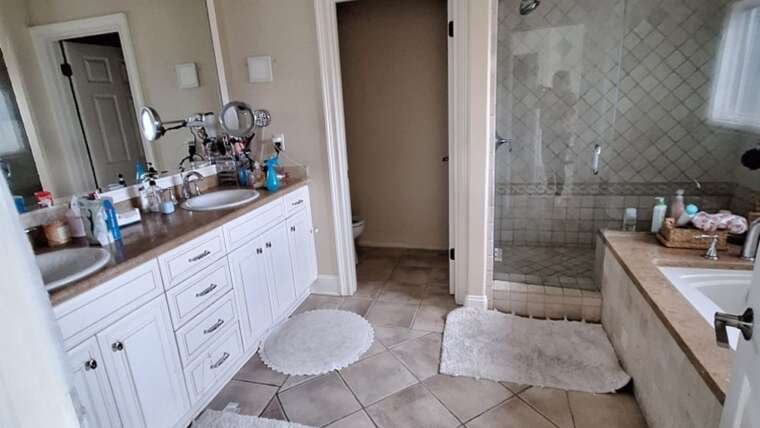

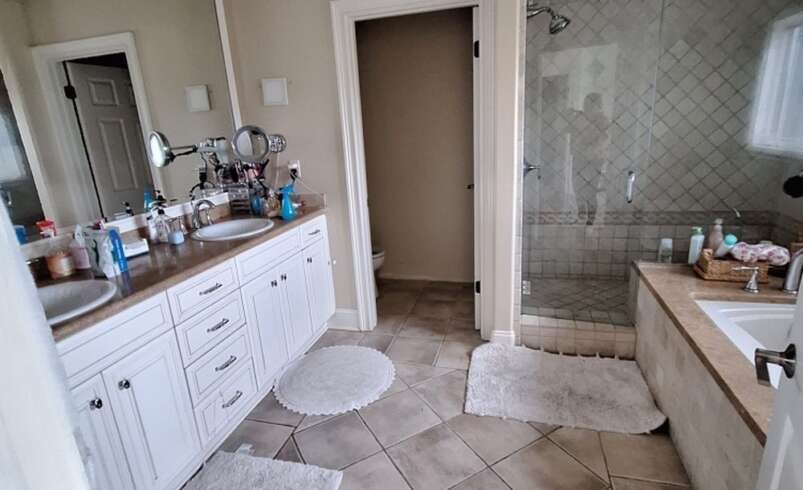

A detailed bathroom cleaning plan can make household maintenance more organized by identifying which surfaces require regular attention and which areas need periodic deep cleaning. Bathrooms experience constant exposure to water, personal-care products, dust, and everyday traffic, so a simple surface wipe may not address every part of the room.
A well-planned routine can also prevent cleaning responsibilities from becoming overwhelming. Pro Cleaning 1 can provide additional support for homeowners who need help maintaining bathrooms when detailed cleaning is difficult to fit into their normal schedules. The key is to establish a routine that covers both frequently used and less visible areas.
For homeowners researching bathroom cleaning services hollywood ca, understanding what belongs in a detailed cleaning plan can make it easier to organize household maintenance. A complete plan should consider surfaces, fixtures, moisture, storage, flooring, and areas that are commonly overlooked.
Begin With an Assessment of the Bathroom
Every bathroom has different cleaning requirements. Before creating a routine, homeowners can consider the room’s size, number of users, ventilation, surface materials, and areas where residue develops most quickly.
This assessment provides a practical foundation for deciding how often different tasks should be completed. A heavily used bathroom may require frequent attention to sinks, floors, and shower surfaces, while a guest bathroom may need a different schedule.
Separate Frequently Used Surfaces From Occasional Tasks
Not every surface needs to be cleaned at the same frequency. Sinks, countertops, toilets, and floors typically experience daily activity, while cabinet interiors, baseboards, and vents may require less frequent attention.
Separating these responsibilities prevents the cleaning schedule from becoming unnecessarily demanding. High-use surfaces can be maintained regularly, while detailed tasks can be assigned to specific days or periodic cleaning sessions.
Include the Entire Shower Area
A complete plan should cover all parts of the shower rather than focusing only on the largest visible surface. Walls, doors, tubs, floors, fixtures, shelves, corners, and edges can all collect water and product residue.
Shower tracks and seams may require additional attention because they are easy to miss during quick cleaning. Including these sections in periodic detailed work can help maintain a more consistent condition across the entire shower area.
Give the Vanity More Than a Quick Wipe
The vanity area contains several surfaces that can collect residue throughout the day. The sink basin, countertop, faucet, handles, backsplash, cabinet exterior, and surrounding edges can all require attention.
Moving toiletries before cleaning provides access to areas hidden beneath containers. A detailed routine can also include periodic organization of products so that unnecessary clutter does not continue to interfere with surface maintenance.
Treat the Toilet and Surrounding Floor as One Zone
Cleaning the toilet should involve more than the main bowl. The seat, lid, exterior, base, nearby floor, and surrounding surfaces should also be considered.
Treating the fixture and its surroundings as one zone can reduce overlooked areas. Detailed sessions can provide additional attention to narrow spaces around the base and other locations that are difficult to reach during routine cleaning.
Create a Specific Floor-Care Routine
Bathroom floors can collect hair, dust, moisture, and debris through normal household activity. The frequency of cleaning should reflect the amount of traffic and how quickly visible debris appears.
A detailed floor routine can include corners, edges, areas around fixtures, and baseboards. Removing loose debris before appropriate floor cleaning can also make the overall process more efficient.
Add Mirrors and Glass to the Cleaning Schedule
Mirrors and glass surfaces can quickly show fingerprints, water marks, and product splashes. Because they are highly visible, keeping them maintained can influence the overall appearance of the bathroom.
A cleaning plan should include these surfaces at an appropriate frequency. Shower glass may also need periodic attention around tracks, handles, edges, and corners rather than only the central glass panel.
Account for Fixtures and High-Touch Areas
Faucets, cabinet handles, shower controls, switches, and door handles can experience frequent contact. These smaller surfaces can easily be overlooked when cleaning focuses primarily on floors and countertops.
Including high-touch areas in the plan creates a more complete approach. Cleaning methods should be suitable for the specific material and finish, particularly for fixtures that require more careful surface care.
Schedule Storage and Hidden Areas Separately
Bathroom cabinets, drawers, shelves, and spaces behind removable items can collect dust and product residue. These areas may not need attention during every cleaning session, but they should still be included in the overall plan.
Periodic cleaning can involve removing unnecessary products, organizing storage, and cleaning suitable interior surfaces. This prevents hidden spaces from being neglected for long periods.
Include Moisture Management in the Plan
Cleaning and moisture control work together. Showers and baths introduce humidity, while damp towels and wet surfaces can keep the room humid after use.
Using available ventilation and allowing wet areas to dry can support the cleaning routine. Managing moisture does not replace surface cleaning, but it can make everyday maintenance easier by helping the bathroom return to a drier condition.
Create a Final Inspection Step
A final inspection can help identify small areas that were missed during the main cleaning process. Checking corners, edges, fixture bases, tracks, handles, and areas behind removable objects can reveal overlooked sections.
This step does not need to add significant time. Its purpose is simply to confirm that the cleaning plan has covered the bathroom systematically rather than concentrating only on the most visible surfaces.
Review and Adjust the Plan Over Time
A cleaning plan should be flexible enough to change when household conditions change. Increased bathroom use, visitors, seasonal moisture, or changes in household schedules can all affect cleaning requirements.
Reviewing the condition of different surfaces can show whether certain tasks need to be performed more or less frequently. Adjustments make the routine more practical and prevent unnecessary work.
When a Detailed Cleaning Plan Needs Professional Support
Some households may have difficulty completing detailed cleaning tasks because of limited time or accumulated maintenance needs. When less visible areas have been neglected for an extended period, a more comprehensive cleaning session may be appropriate.
Professional assistance can provide additional support for these situations. Once detailed tasks have been addressed, homeowners can continue with a simpler routine focused on maintaining the bathroom between deeper cleaning sessions.
Conclusion
A detailed bathroom cleaning plan should cover more than sinks, toilets, and floors. Shower areas, vanity surfaces, fixtures, mirrors, glass, storage spaces, corners, baseboards, and moisture management all have a place in a complete maintenance strategy.
Separating frequent tasks from periodic deep cleaning makes the routine easier to manage. By reviewing household usage and adjusting cleaning frequency when necessary, homeowners can create a practical system that keeps bathroom maintenance organized and consistent.