

For many women with polycystic ovary syndrome (PCOS), unwanted facial hair is one of the most noticeable symptoms of hormonal imbalance. Coarse hair may appear on the chin, upper lip, jawline, or neck and can require frequent shaving, threading, waxing, or other removal methods. Because PCOS can continue stimulating new hair growth, conventional removal often treats the visible hair without addressing the underlying hormonal cause.
At-home light-based hair reduction has therefore attracted attention as a convenient option for women who want to manage facial hair privately. An Hair removal device Pakistan can use Intense Pulsed Light (IPL) to deliver controlled light energy toward the pigment in the hair. However, understanding what IPL can and cannot do is particularly important when facial hair is associated with PCOS.
Why Does PCOS Cause More Facial Hair?
PCOS is commonly associated with increased androgen activity. Androgens can influence hair follicles and cause some fine facial hair to become darker, thicker, and more noticeable. This condition, known as hirsutism, commonly affects areas such as the upper lip, chin, chest, and abdomen.
Unlike ordinary unwanted hair, PCOS-related growth can be persistent because the hormonal environment may continue stimulating follicles. This means that removing existing hair does not necessarily prevent new hair from developing.
For this reason, facial-hair management for someone with PCOS may involve more than one approach. Medical assessment can help identify hormonal factors, while cosmetic methods can address the hair that is already visible. The 2023 International Evidence-Based Guideline for PCOS notes that laser treatment can be considered for facial hirsutism, while IPL may also be considered, although its benefits may be less pronounced than laser treatment.
How an IPL Hair Removal Device Works on Facial Hair
An IPL hair removal device does not work in exactly the same way as a traditional laser. IPL produces a broad spectrum of light that is absorbed by melanin in the hair. The absorbed energy generates heat around the hair follicle, which can interfere with the follicle’s ability to produce hair efficiently.
Because darker hairs contain more pigment, they generally respond better to light-based hair reduction than blonde, grey, or white hairs. Skin tone also matters because the skin itself contains melanin. Too much absorbed energy in darker skin can increase the risk of burns or pigmentation changes, making appropriate device settings and skin compatibility important considerations.
The goal is usually long-term hair reduction rather than guaranteed permanent hair removal. Treated follicles may produce significantly less hair over time, but PCOS can continue creating hormonal stimulation and new hair growth. Consequently, maintenance treatments may be necessary.
Can At-Home IPL Provide Long-Term Reduction for PCOS?
The answer requires some caution. IPL can potentially reduce the appearance and density of treated hair, but it should not be considered a treatment for PCOS itself.
Clinical evidence supports light-based approaches for reducing facial hirsutism, but the evidence specifically supporting consumer home IPL devices for PCOS is limited. The international PCOS guideline states that there is currently no evidence supporting the efficacy of home-based IPL kits for PCOS-related hirsutism.
This distinction is important when evaluating claims about an IPL hair removal device Pakistan shoppers may encounter online. A device may be designed for at-home hair reduction, but individual results can vary according to hair colour, skin tone, hormonal status, treatment consistency, and device characteristics.
Women with PCOS may also experience new hair growth after successful treatment because the underlying hormonal condition remains. Therefore, a realistic expectation is long-term reduction in treated hair with possible maintenance, rather than a promise that facial hair will never return.
Choosing an At-Home IPL Hair Removal Device
Someone considering an At home IPL hair removal device should evaluate more than its appearance or advertised flash count. Several factors can influence both safety and usability.
Skin-tone compatibility: IPL is not equally appropriate for every skin tone. The manufacturer’s skin-tone guidance should be checked before treatment, particularly for medium, brown, or darker Pakistani skin.
Hair colour: IPL generally works better when there is strong contrast between dark hair and the surrounding skin. Very light, grey, or white hairs may respond poorly.
Intensity control: Multiple energy settings can make it easier to select a suitable level for different body areas. Facial skin is sensitive, so starting conservatively is important.
Facial-use instructions: A device intended for the body should not automatically be assumed to be appropriate for the face. Users should follow the manufacturer’s instructions regarding facial treatment areas and eye protection.
Safety features: Skin sensors, protective filters, cooling systems, and clear operating instructions can be useful features, but they do not eliminate the need to follow safety precautions.
How to Use a Home Hair Removal Device for PCOS Facial Hair
Consistency is one of the most important parts of light-based hair reduction. IPL works progressively because hair follicles move through different growth stages, and not every follicle is equally responsive during a single session.
A typical routine begins with preparing the treatment area according to the manufacturer’s instructions. Shaving is generally preferred over waxing or plucking because the hair remains within the follicle for the light energy to target.
The device should then be used at the recommended intensity, with the treatment window placed correctly against the skin. Facial treatment should remain within the areas specifically approved by the manufacturer, and protective eyewear should be used whenever required.
Users should also avoid treating irritated, sunburned, or damaged skin. Because pigmentation is an important consideration for Pakistani skin, a patch test and conservative starting intensity can help reduce unnecessary risk.
Most importantly, the manufacturer’s treatment schedule should be followed rather than increasing the frequency in an attempt to accelerate results.
IPL vs. Shaving, Waxing, and Threading
Shaving, waxing, and threading remain practical methods for removing visible facial hair, but they work differently from IPL.
Shaving cuts hair at the skin surface. It is quick and inexpensive but does not reduce follicle activity.
Threading physically removes individual hairs and is popular for facial areas such as the upper lip and eyebrows. It can provide smoothness immediately but requires repeated treatments as hair grows back.
Waxing removes hair from the root and can keep an area hair-free for longer than shaving. However, some people experience irritation, ingrown hairs, or post-inflammatory pigmentation.
IPL aims to affect the hair follicle through light energy. Instead of simply removing the visible hair, repeated treatment attempts to reduce future growth from responsive follicles.
For someone with PCOS, none of these approaches addresses the hormonal cause. IPL can therefore be viewed as one component of a broader hair-management strategy rather than a replacement for medical care.
Important Safety Considerations for Pakistani Skin
Skin tone should be a major consideration when purchasing a home hair removal device. IPL energy interacts with melanin, so using inappropriate settings can increase the risk of excessive heating and pigmentation changes.
A person with a recent tan, sunburn, active skin irritation, or certain skin conditions should follow the manufacturer’s restrictions and consider professional advice before treatment. Facial IPL should also be kept away from the eyes and areas not approved for treatment.
Anyone taking medication that increases photosensitivity should check the medication information and seek advice from a healthcare professional before using light-based hair-removal technology.
PCOS itself is another reason to maintain realistic expectations. Even if treated facial hair becomes substantially less noticeable, hormonal changes can lead to new growth. Dermatologists or qualified healthcare professionals can help determine whether additional medical treatment is appropriate.
What About the Best IPL Hair Removal Device Pakistan Buyers Can Find?
There is no single device that can guarantee identical results for every person with PCOS. When comparing products, shoppers should look at skin-tone compatibility, facial-use guidance, adjustable settings, safety instructions, warranty coverage, and transparent information about expected results.
Price is another consideration. The IPL machine price in Pakistan can vary significantly depending on the technology, brand, warranty, accessories, and distribution channel. A lower price does not necessarily indicate better value if the product lacks appropriate safety information or after-sales support.
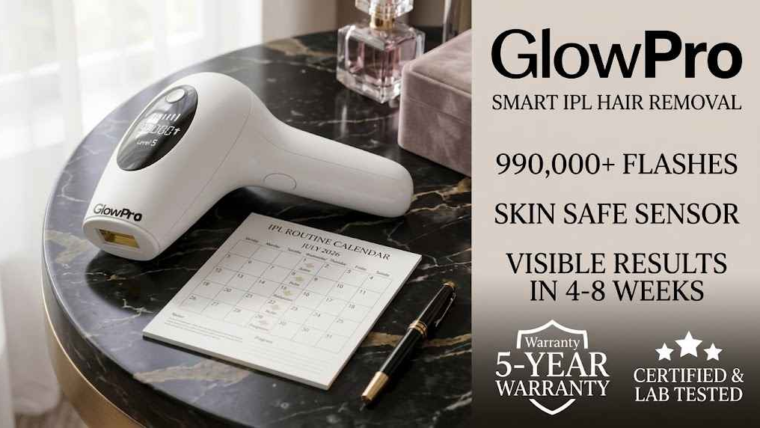
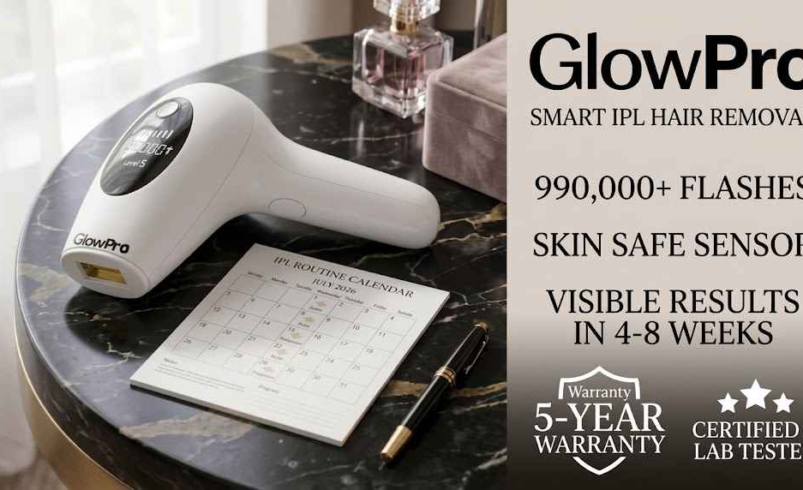
Glow Pro is one Pakistan-based option offering at-home IPL devices designed for local consumers. Its product information specifically discusses facial treatment, PCOS-related hair growth, skin-tone compatibility, and recommended treatment routines.
Final Takeaway
PCOS-related facial hair can be difficult to manage because the underlying hormonal condition may continue encouraging new growth. IPL may offer a convenient way to reduce hair from responsive follicles over time, but it should not be confused with a cure for PCOS or guaranteed permanent hair removal.
For women considering a Home hair removal device, realistic expectations are essential: results depend on hair colour, skin tone, device suitability, treatment consistency, and individual hormonal factors. Professional medical advice remains appropriate for persistent or severe hirsutism, while carefully selected at-home IPL may serve as part of an ongoing cosmetic hair-management routine.
FAQs
1. Can women with PCOS use an IPL hair removal device?
Some women with PCOS may use IPL for unwanted hair, provided the particular device is suitable for their skin and hair characteristics. However, evidence specifically supporting home IPL for PCOS-related hirsutism remains limited.
2. Does IPL permanently remove PCOS facial hair?
IPL is better described as a hair-reduction method rather than a guaranteed permanent-removal solution. PCOS-related hormonal activity can contribute to new hair growth, so maintenance may be needed.
3. Is IPL suitable for Pakistani skin?
Suitability depends on the individual’s skin tone and the specific device. Users should always check the manufacturer’s approved skin-tone range, follow intensity recommendations, and perform a patch test when advised.
4. Is IPL better than threading for PCOS facial hair?
The two methods work differently. Threading physically removes visible hairs, while IPL aims to reduce hair growth from responsive follicles. The appropriate option depends on personal preference, hair characteristics, skin sensitivity, and long-term goals.
5. When should someone with PCOS see a doctor about facial hair?
A healthcare professional should be consulted when facial hair becomes significantly heavier, develops rapidly, or occurs alongside other symptoms of hormonal imbalance. Medical management can address the underlying PCOS while cosmetic methods manage unwanted hair.