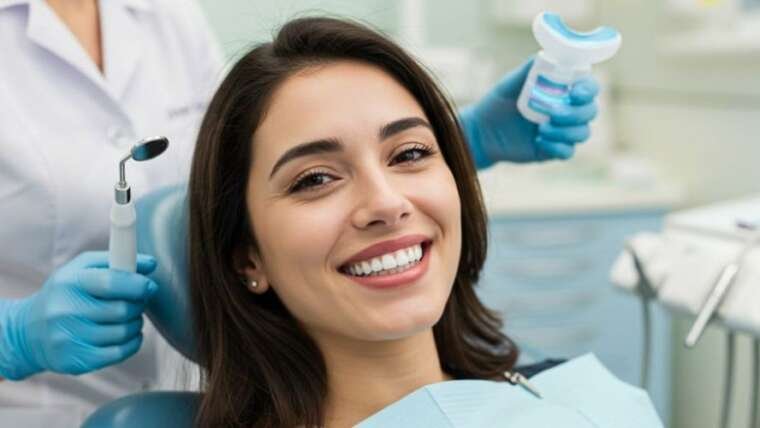


A bright smile can make you feel more confident and comfortable when you meet people, take photos, or simply go about your day. Over time, however, teeth can become darker or stained because of coffee, tea, certain foods, smoking, ageing, and other everyday habits. Professional teeth whitening can help reduce these stains and make your smile look brighter.
Zoom Teeth Whitening is a professional whitening treatment designed to improve the colour of natural teeth. But one common question people have before treatment is: how white can their teeth actually become?
The answer is different for everyone. The final result depends on your natural tooth colour, the type of staining you have, the condition of your teeth, and how they respond to the whitening treatment. Understanding these factors can help you have realistic expectations before choosing professional whitening.
What Is Zoom Teeth Whitening?
Zoom Teeth Whitening is a professional treatment carried out under dental supervision. It uses a whitening gel to help break down stains and lighten the colour of natural teeth. Some treatment systems also use a special light as part of the whitening process.
Unlike regular whitening toothpaste, which mainly helps remove surface stains, professional whitening is designed to work on deeper types of tooth discolouration. Before treatment, a dental professional can check your teeth and gums to make sure whitening is suitable for you.
The purpose of treatment is to create a brighter and more natural-looking smile. It does not mean that every person’s teeth will become the same shade of white.
How Much Whiter Can Your Teeth Become?
There is no exact number of shades that every person can achieve with professional whitening. Some people may see a clear improvement after one treatment, while others may experience a smaller change.
The result often depends on the reason behind the discoloration. For example, stains caused by coffee, tea, coloured foods, or smoking may respond well to professional whitening. Stains that have developed deeper inside the tooth can sometimes be more difficult to change.
Your starting tooth colour also matters. Teeth naturally come in different shades, so the result will depend on the colour you begin with. A dental professional can examine your teeth and give you a better idea of what type of improvement may be possible.
It is also worth remembering that teeth are not naturally pure white. A healthy smile can have a slightly warm or creamy shade, and whitening does not always mean achieving an extremely bright colour.
What Affects Your Whitening Results?
Several factors can affect how white your teeth become after Zoom Teeth Whitening.
Your Natural Tooth Colour
Everyone has a different natural tooth colour. The colour of your enamel and the dentine underneath it both affect the overall appearance of your teeth.
If your teeth naturally have a darker or yellowish shade, whitening may make them noticeably brighter, but it may not turn them completely white. Your natural tooth structure places some limits on the final result.
The Type of Staining
The cause of your tooth discolouration can also affect the outcome.
Surface stains from coffee, tea, red wine, tobacco, and certain foods may respond differently from stains that have developed inside the tooth. Age-related changes can also affect the colour of your teeth.
A dental examination can help identify the likely cause of the staining and whether professional whitening is suitable.
The Condition of Your Teeth
The condition and structure of your teeth can influence the whitening process. Enamel thickness varies between people, and thinner enamel can allow more of the naturally yellowish dentine underneath to show through.
Whitening can improve the colour of natural teeth, but it cannot change the basic structure of your teeth.
Existing Dental Work
Whitening treatments are intended for natural teeth. Dental restorations such as fillings, crowns, veneers, and bridges do not generally whiten in the same way as natural tooth enamel.
If you have visible dental work, whitening could potentially make the colour difference more noticeable. This is something your dentist can discuss with you before treatment.
What Happens During Zoom Teeth Whitening?
Before the treatment begins, your teeth and gums are usually checked by a dental professional. This helps identify problems such as cavities, gum issues, cracks, or other conditions that may need attention before whitening.
If your teeth are suitable, protective measures are used to help protect your gums and other soft tissues. The whitening gel is then applied to the teeth according to the treatment process.
Depending on the particular whitening system being used, a special light may also be used during the procedure.
The treatment takes place during a dental appointment, although the exact length and steps can vary. After treatment, you may notice that your teeth look brighter straight away.
However, the appearance can change slightly after the appointment as the teeth return to their normal level of hydration. For this reason, the immediate colour is not always the final result.
How Long Do the Results Last?
Teeth whitening is not permanent. Even after a successful Zoom Teeth Whitening treatment, your teeth can gradually become stained again.
Everyday habits have a major effect on how long the results remain noticeable. Regularly drinking coffee or tea, eating strongly coloured foods, smoking, and other staining habits can cause new discolouration over time.
Ageing can also naturally affect tooth colour.
Good oral care can help you maintain a brighter smile for longer. Regular brushing, cleaning between your teeth, professional dental check-ups, and limiting foods and drinks that commonly cause stains can all be helpful.
If you want to maintain your results, your dental professional can also advise you on suitable maintenance options.
Can Whitening Make Every Smile Extremely White?
Professional whitening can make a noticeable difference, but it cannot guarantee an extremely white result for everyone.
The final colour depends on your natural teeth and the type of staining present. Some forms of discolouration may respond less effectively to standard whitening treatment.
It is therefore important to have realistic expectations. A brighter, healthier-looking smile is often a more useful goal than trying to achieve an unnatural shade of white.
If the colour change is related to an underlying dental problem, that problem may need to be treated before whitening is considered.
Is Tooth Sensitivity Normal After Whitening?
Some people experience temporary sensitivity after professional teeth whitening. You may notice sensitivity when eating or drinking something very hot, cold, sweet, or acidic.
Sensitivity can vary from person to person. If you already have sensitive teeth, tell your dental professional before treatment so they can consider this when planning your whitening procedure.
Following the aftercare advice you receive can also help reduce discomfort and protect your teeth after treatment.
If sensitivity is severe, lasts longer than expected, or causes concern, speak with your dental professional rather than continuing whitening products on your own.
How Can You Keep Your Teeth Looking White?
After professional whitening, simple daily habits can help maintain the results.
Here are some useful tips:
- Brush your teeth twice a day with fluoride toothpaste.
- Clean between your teeth regularly.
- Visit your dentist for routine check-ups.
- Limit frequent consumption of coffee, tea, and other drinks that can stain teeth.
- Avoid smoking and tobacco products.
- Drink water after meals and staining drinks when possible.
- Follow the aftercare instructions provided by your dental professional.
- Do not overuse whitening products without professional advice.
Keeping your teeth clean does not stop natural ageing, but it can help reduce the build-up of new surface stains.
Is Zoom Teeth Whitening Right for You?
If your natural teeth have become stained or darker and you want to improve their appearance, professional whitening may be worth discussing with a dental professional.
One of the benefits of professional treatment is that your teeth and gums can be checked before whitening. This allows potential dental problems to be identified and helps ensure that the treatment is appropriate for your situation.
However, professional whitening is not suitable for every type of discolouration, and existing dental restorations may not change colour. A dental professional can explain what you can realistically expect based on your teeth.
The aim should be to achieve a brighter smile while keeping the result natural and suitable for your individual appearance.
Final Thoughts
Zoom Teeth Whitening can help make natural teeth look brighter and reduce the appearance of many common stains. However, the results can vary from person to person depending on natural tooth colour, the type of staining, enamel condition, lifestyle, age, and existing dental work.
For anyone considering professional teeth whitening, White And Bright provides professional dental care focused on helping patients achieve a brighter and healthier-looking smile. Their dental team can assess your teeth, discuss your whitening goals, and help you understand what type of result may be suitable for your smile.
With the right professional guidance and good oral care, teeth whitening can be a simple way to improve the appearance of your smile while keeping the result natural and comfortable.